
Restaurant tech, written by people who’ve run restaurants
Operator playbooks, product deep-dives, and the data behind the shifts shaping how restaurants run today.
Page 2 of 6
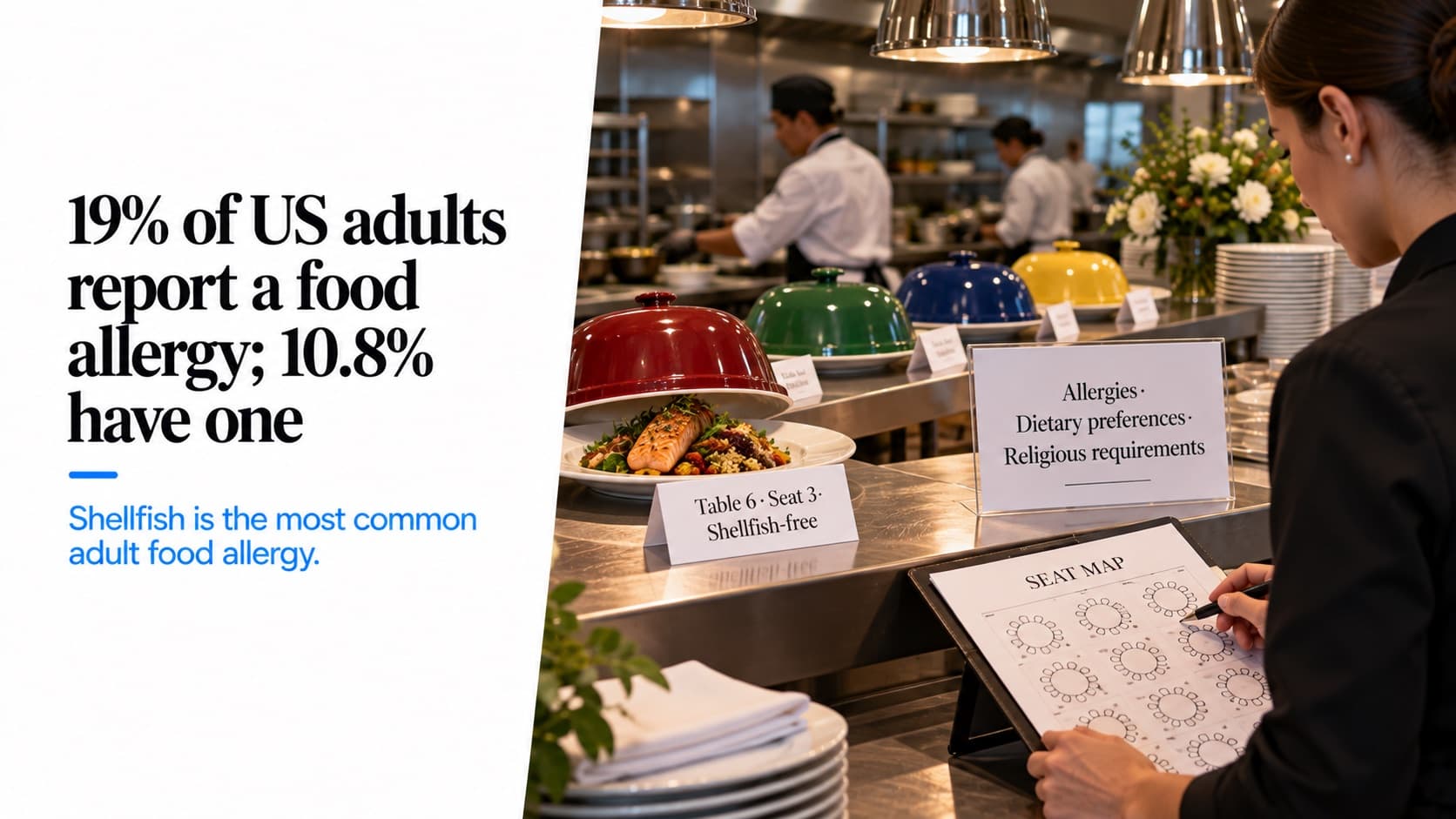
19% of US adults report a food allergy; 10.8% have one
Shellfish is the most common adult food allergy, and nearly half of allergic adults developed theirs as adults. Last year's dietary list is already stale.
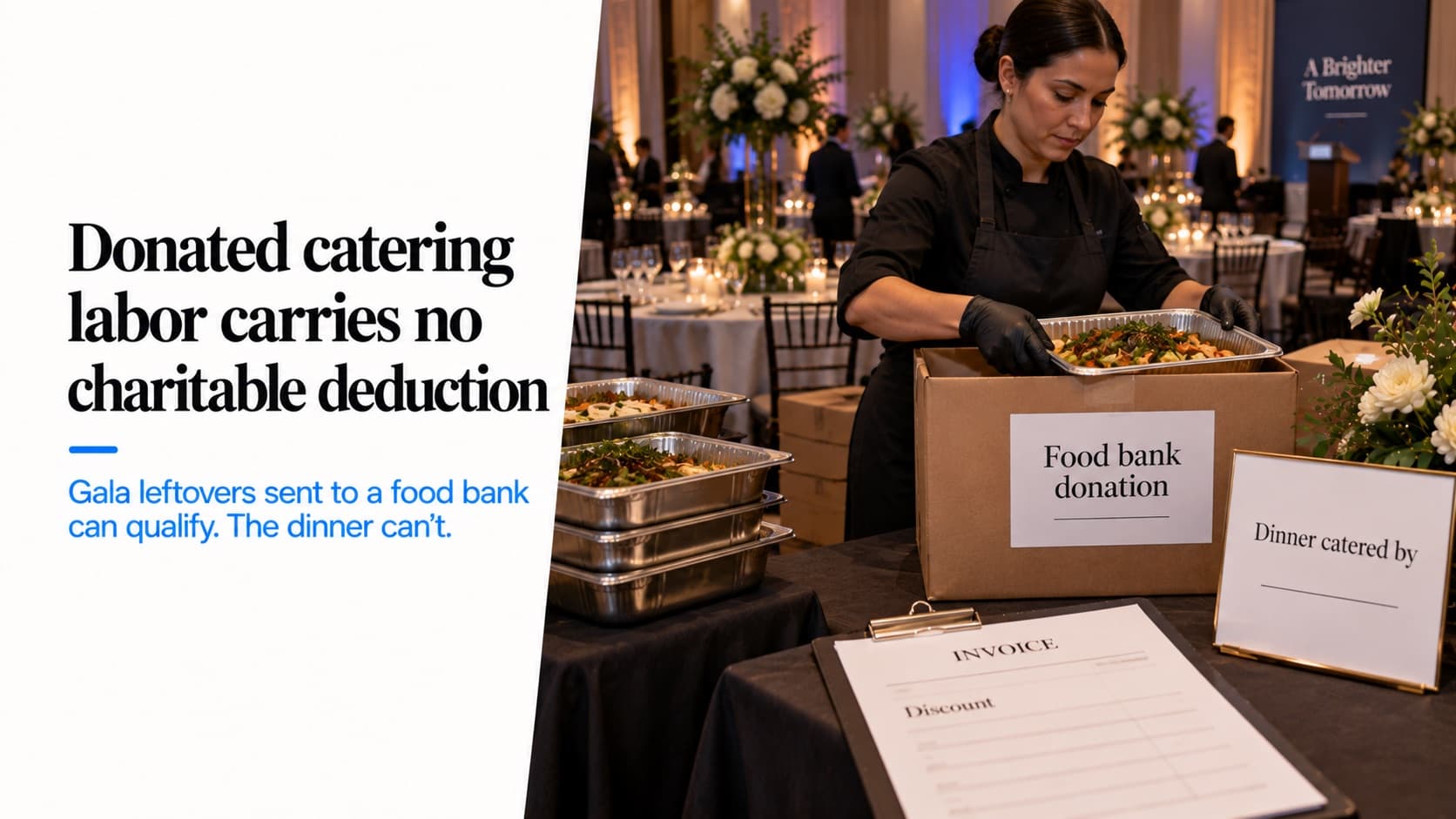
Donated catering labor carries no charitable deduction
A gala dinner fails the enhanced food-deduction test, but leftovers sent to a food bank can pass. The charity still owes guests the meal's value above $75.
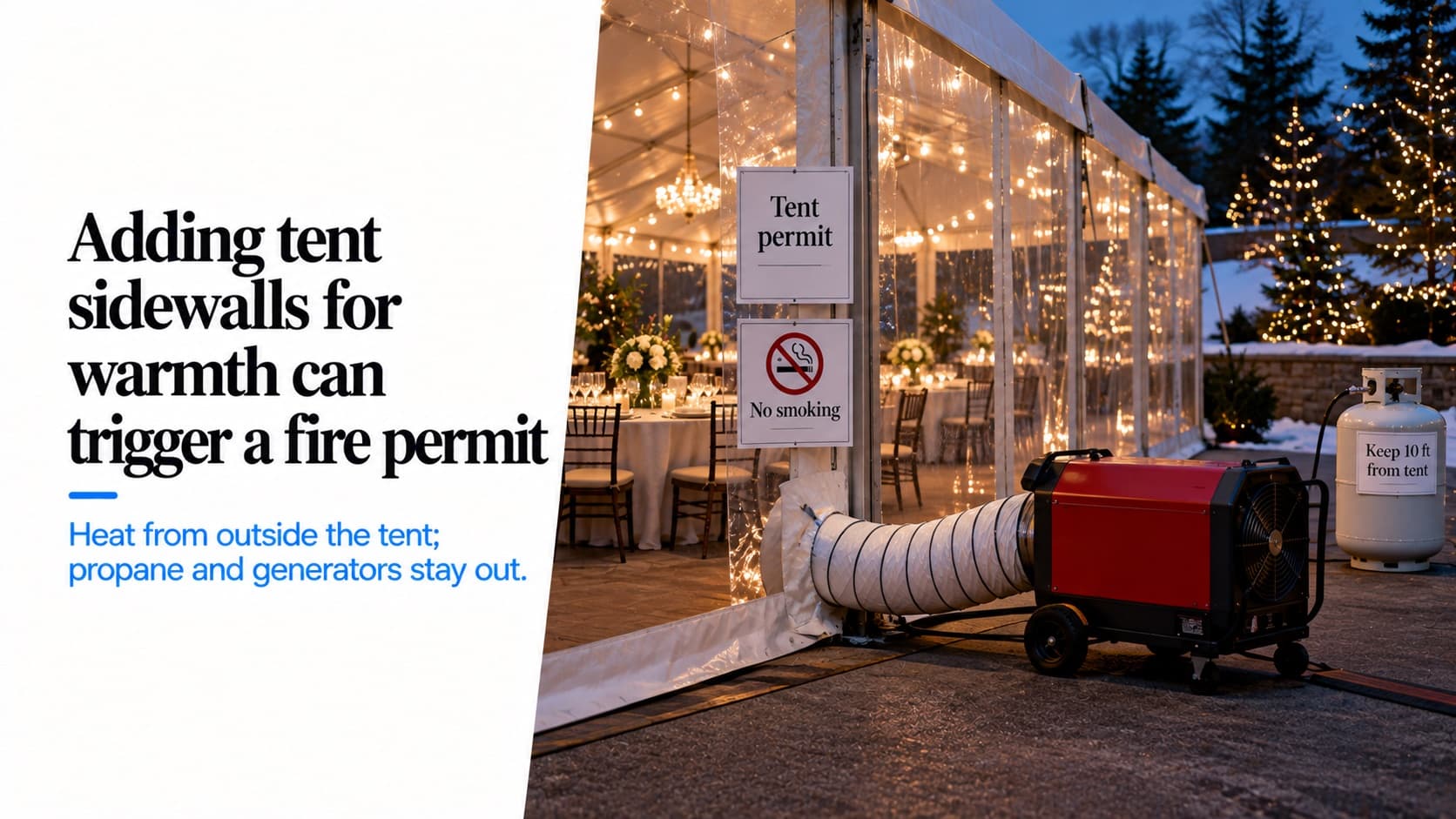
Adding tent sidewalls for warmth can trigger a fire permit
Seattle bans mushroom heaters inside tents but allows heaters blowing in from outside. Denver doubles permit fees inside 14 days; Chicago triples them.
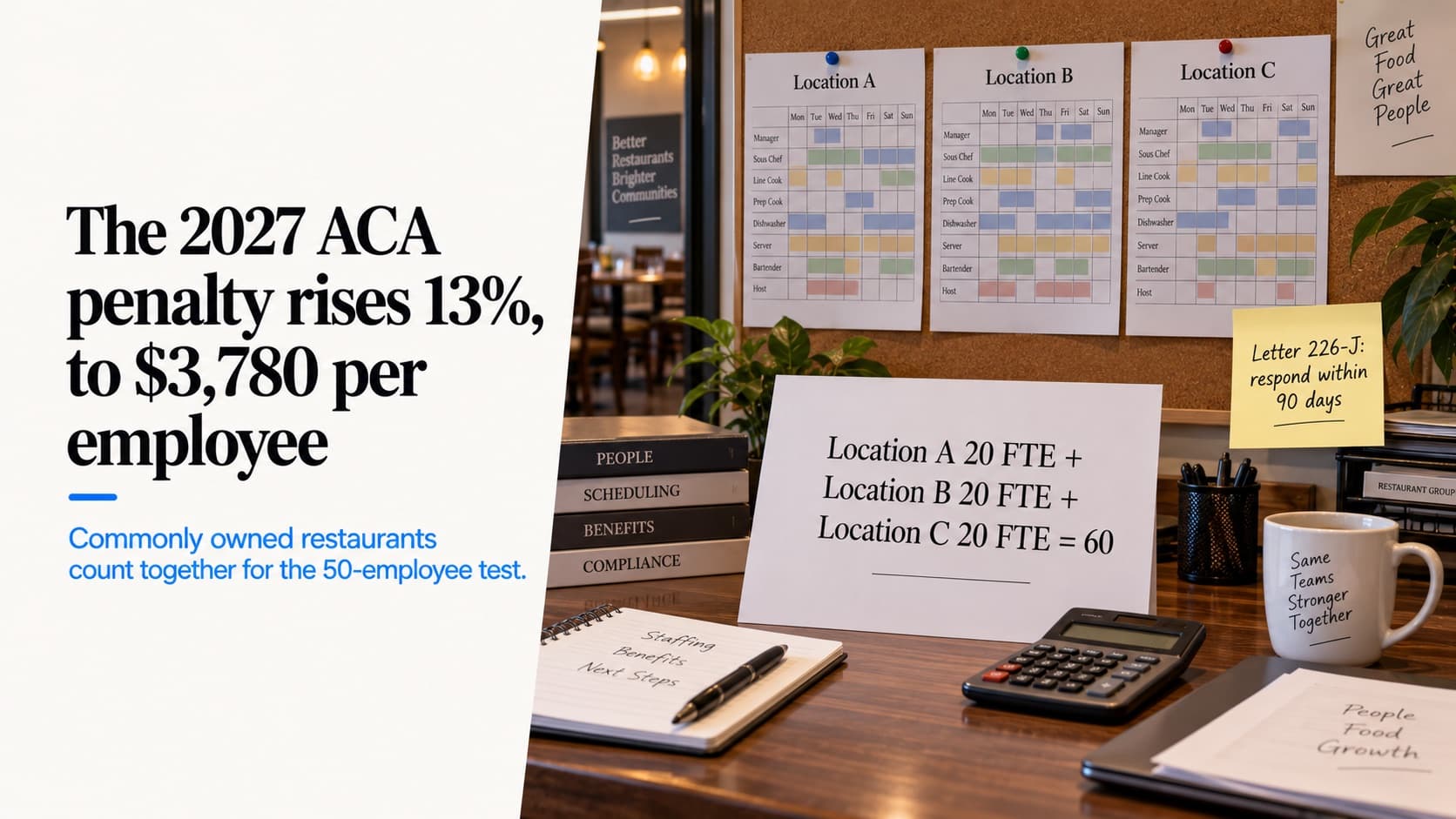
The 2027 ACA penalty rises 13%, to $3,780 per employee
Restaurants under common ownership are counted together for the 50-employee test, and the look-back method can't be used to decide whether you're covered.
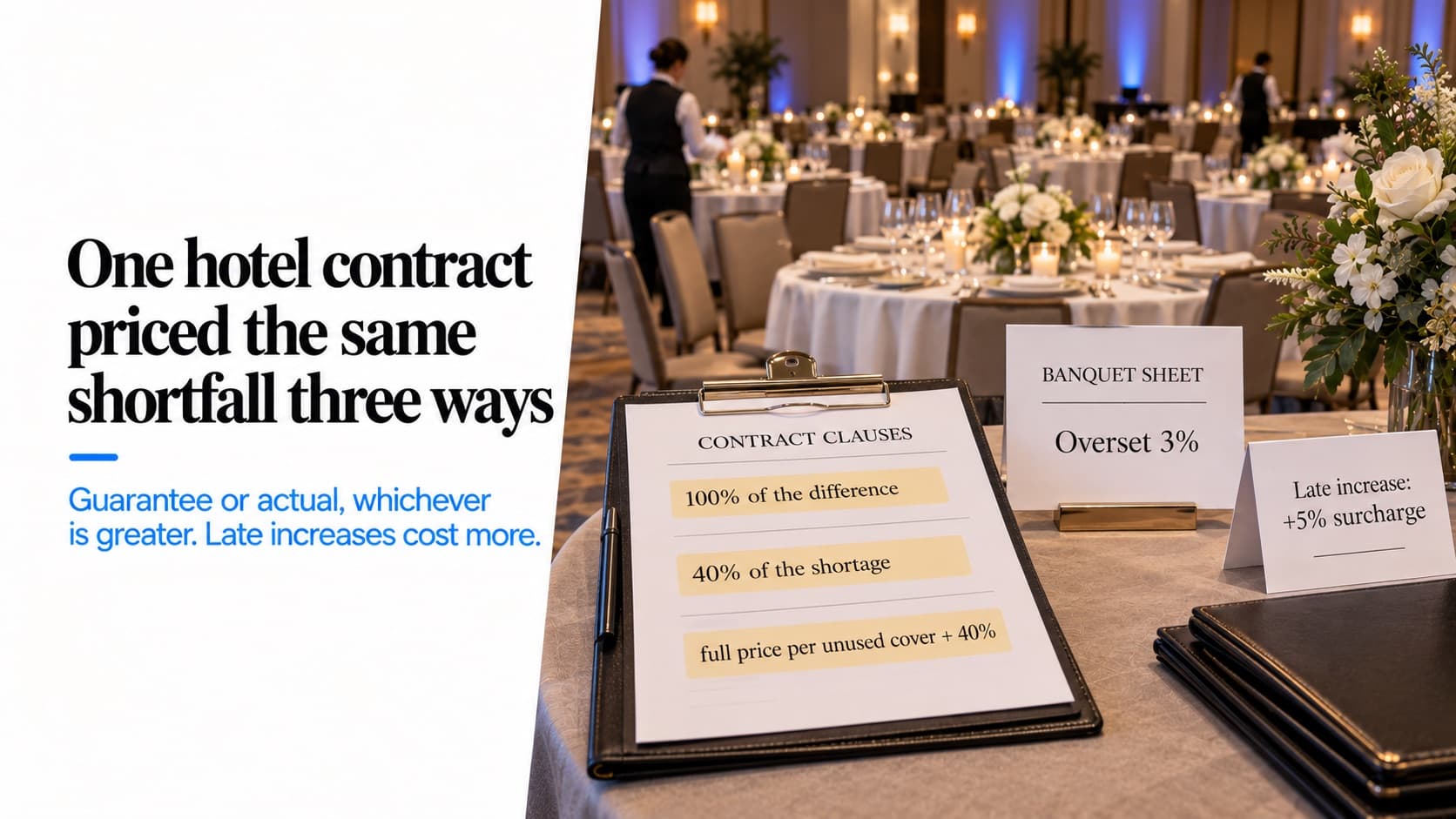
One hotel contract priced the same shortfall three ways
Published catering policies overset 3–5% and bill the guarantee or the actual count, whichever is greater. A late increase can add up to 15% a head.
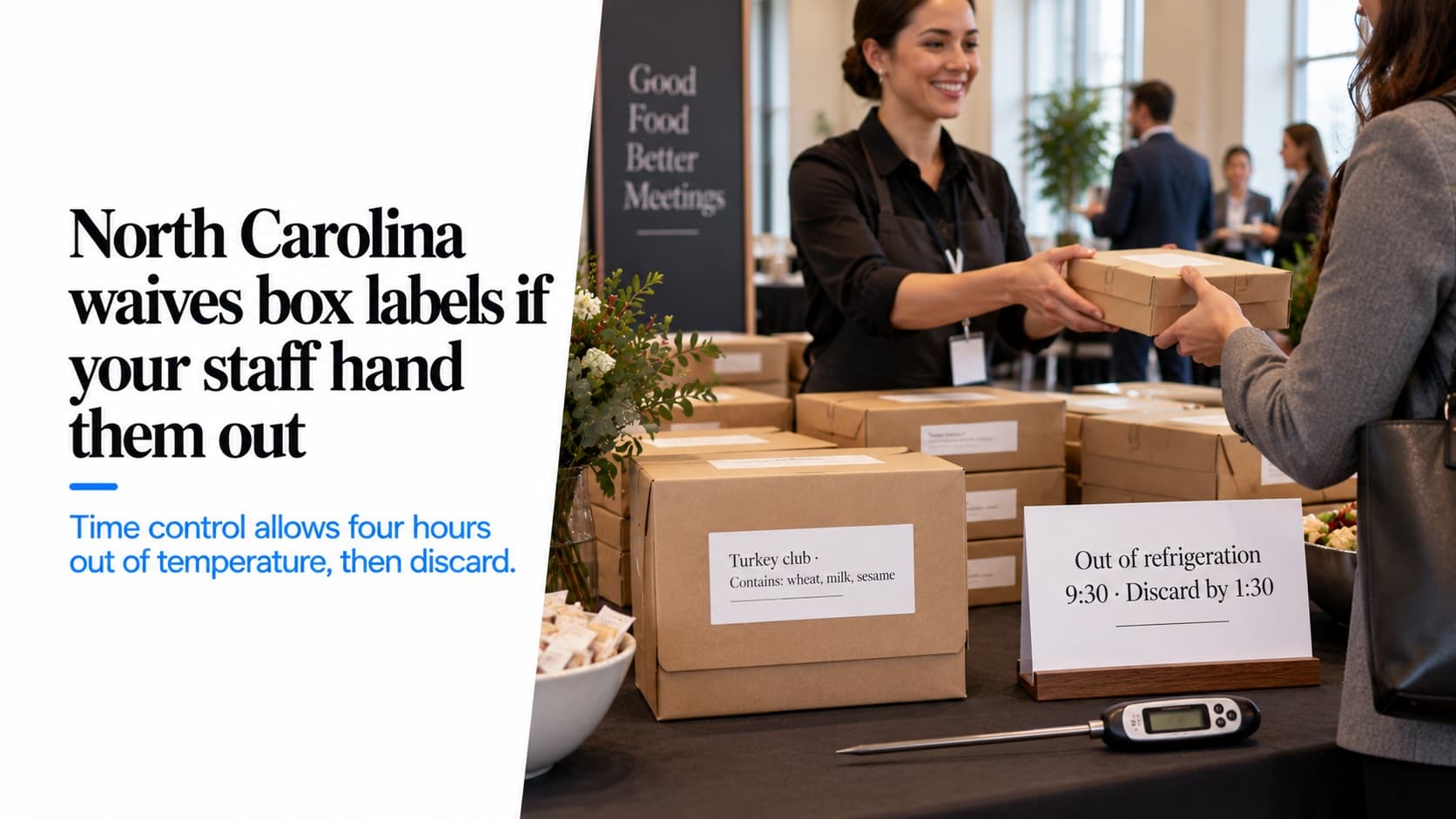
North Carolina waives box labels if your staff hand them out
New York's allergen-label law for prepackaged food takes effect in November. Time control allows four hours out of temperature, then the food is discarded.
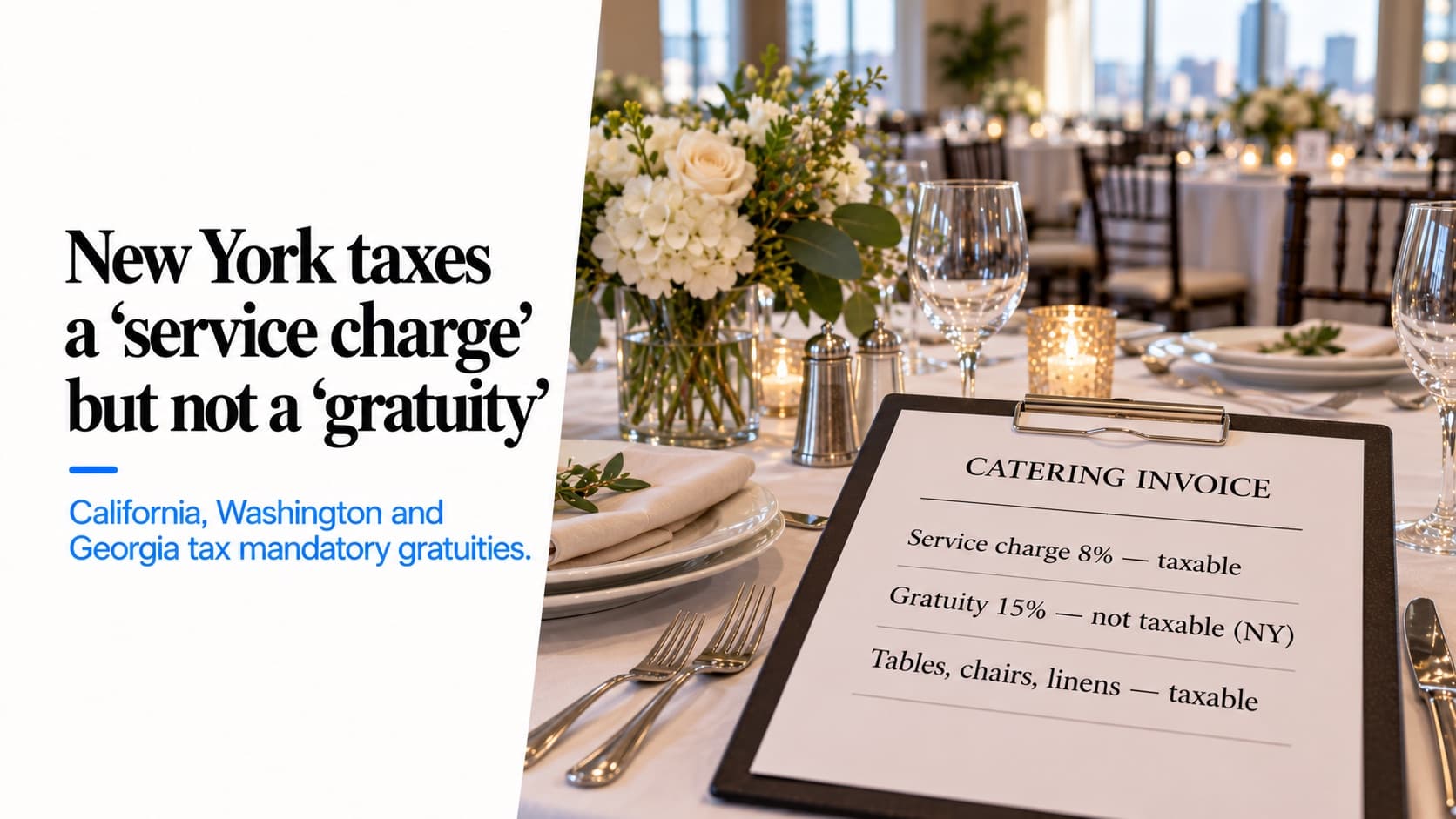
New York taxes a 'service charge' but not a 'gratuity'
California, Washington and Georgia tax a mandatory gratuity even when staff get all of it. Texas taxes the whole charge once it passes 20%.
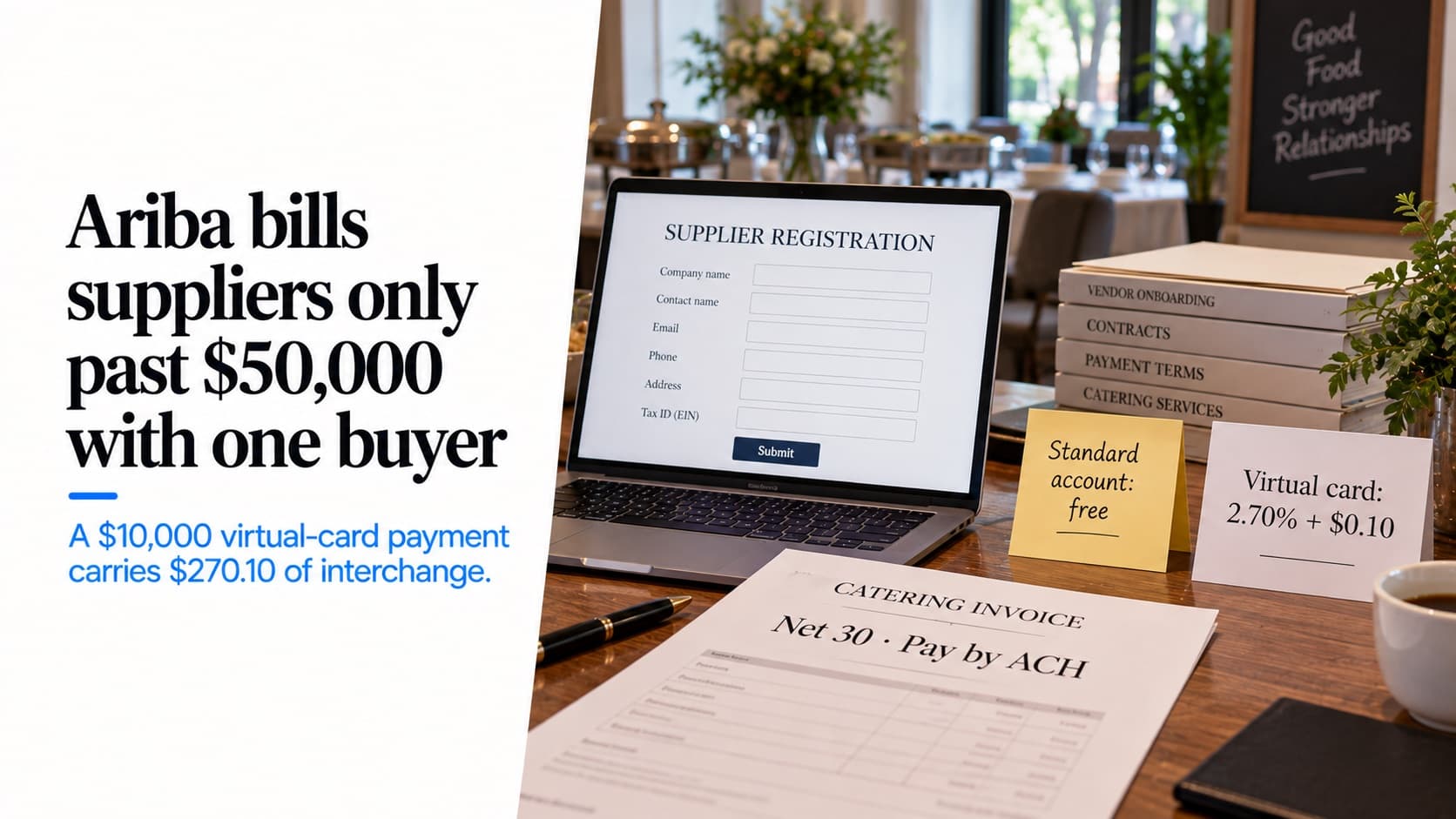
Ariba bills suppliers only past $50,000 with one buyer
A $10,000 catering invoice paid by virtual card carries $270 of interchange. Restaurants hold a median 16 days of cash; large companies pay in about 59.
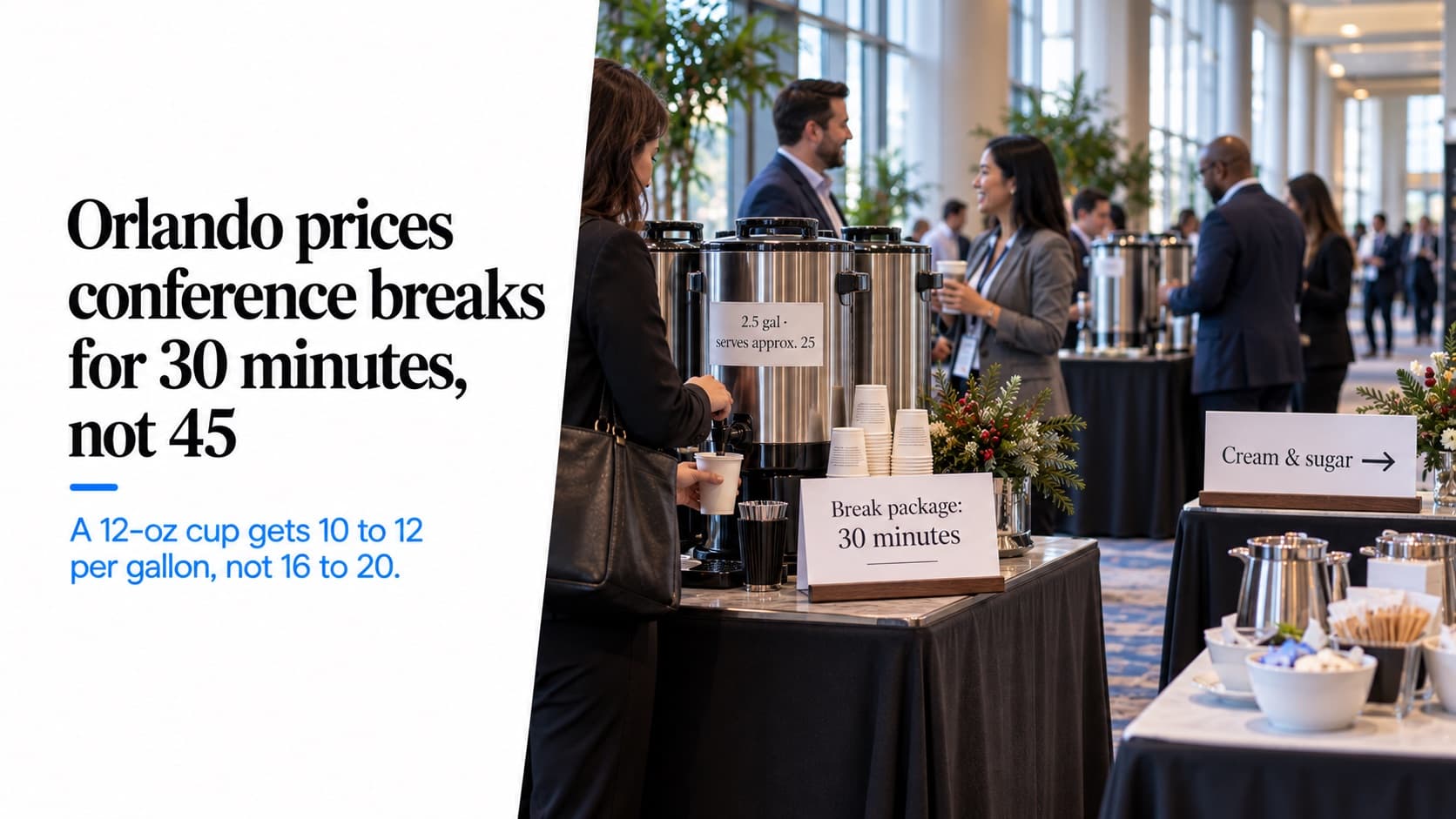
Orlando prices conference breaks for 30 minutes, not 45
Convention centers that price 12-ounce cups get 10 to 12 per gallon, not the 16 to 20 most guides use. Attended stations bill a four-hour minimum.
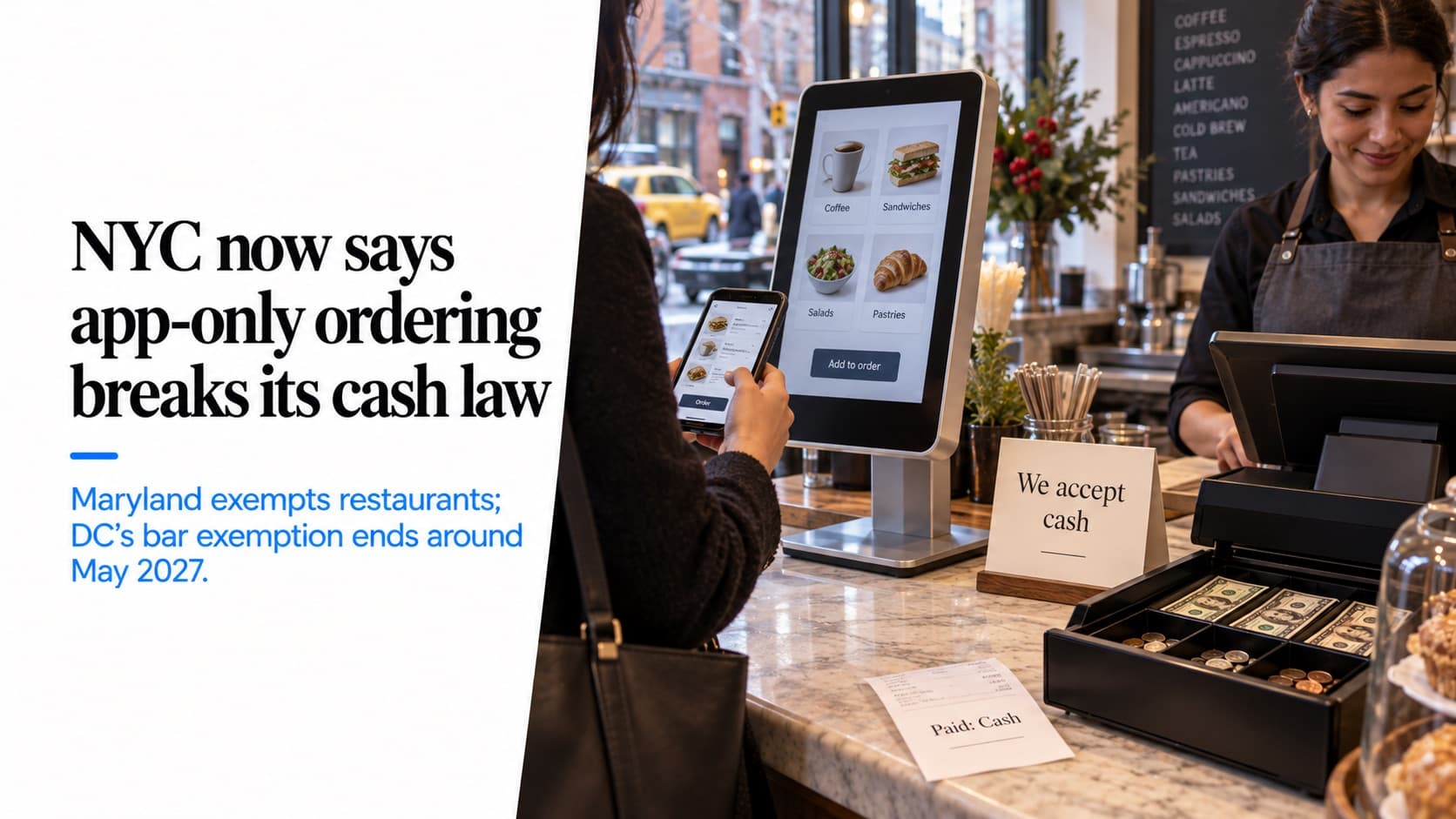
NYC now says app-only ordering breaks its cash law
Maryland's new cash law, effective October 1, exempts sit-down restaurants. DC lets licensed bars and late-night spots refuse cash until about May 2027.
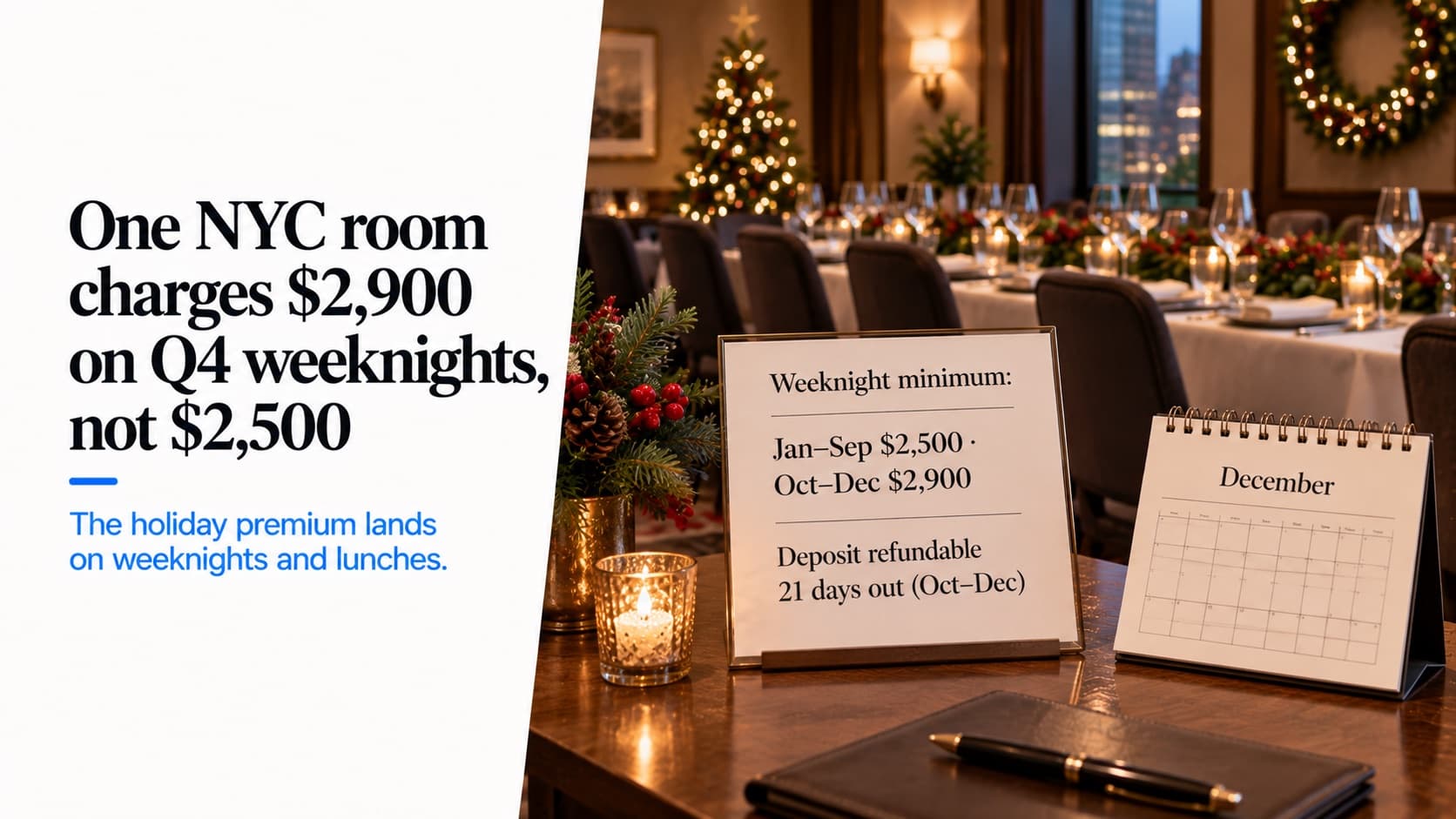
One NYC room charges $2,900 on Q4 weeknights, not $2,500
In 2023, 58% of companies held their holiday party during the workday. Fogo de Chão's holiday contracts had to be signed by October 30.
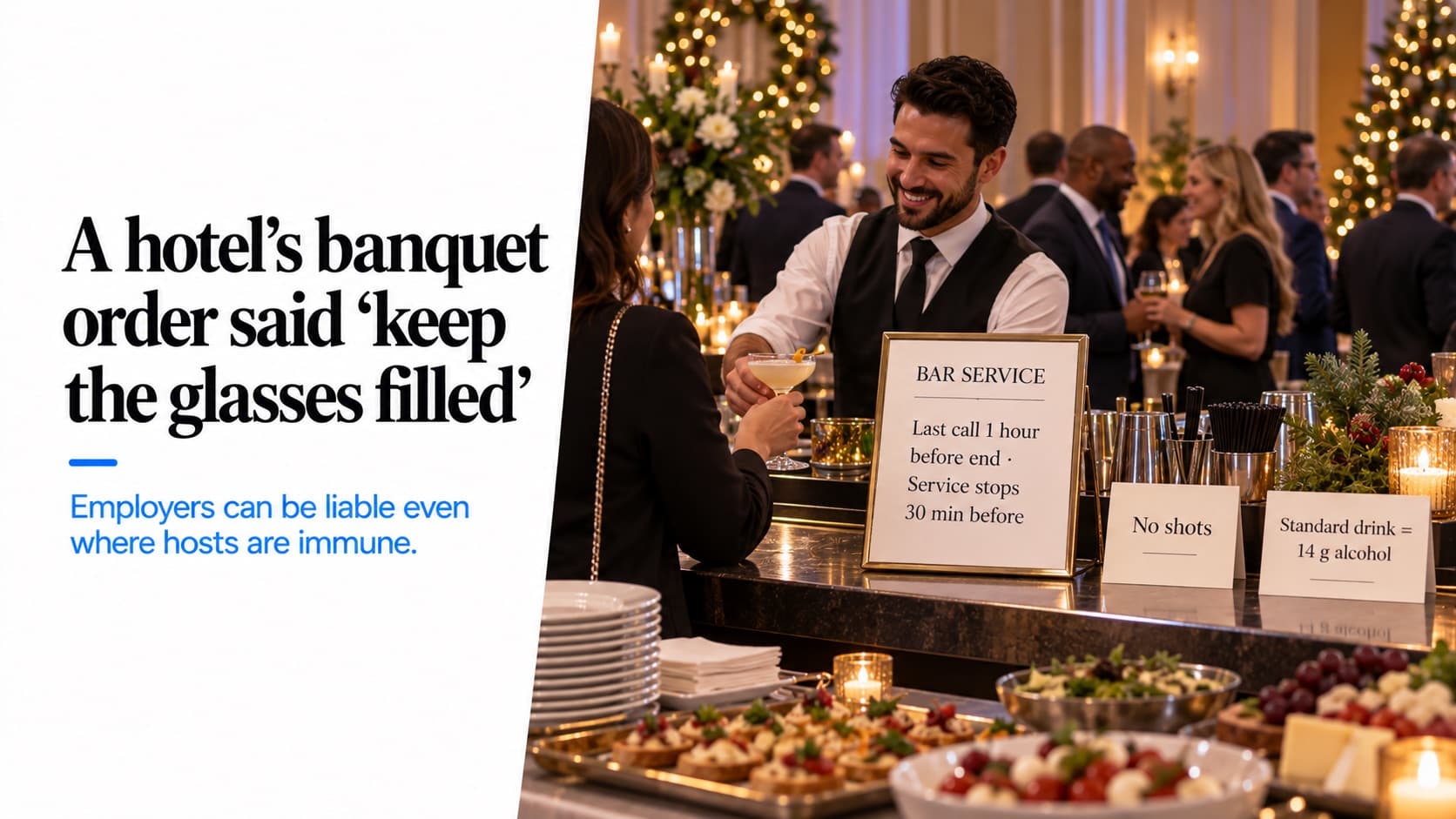
A hotel's banquet order said 'keep the glasses filled'
California shields hosts and licensees from overserving claims, yet employers still lose through their employees. In 2013 a court listed the fixes.
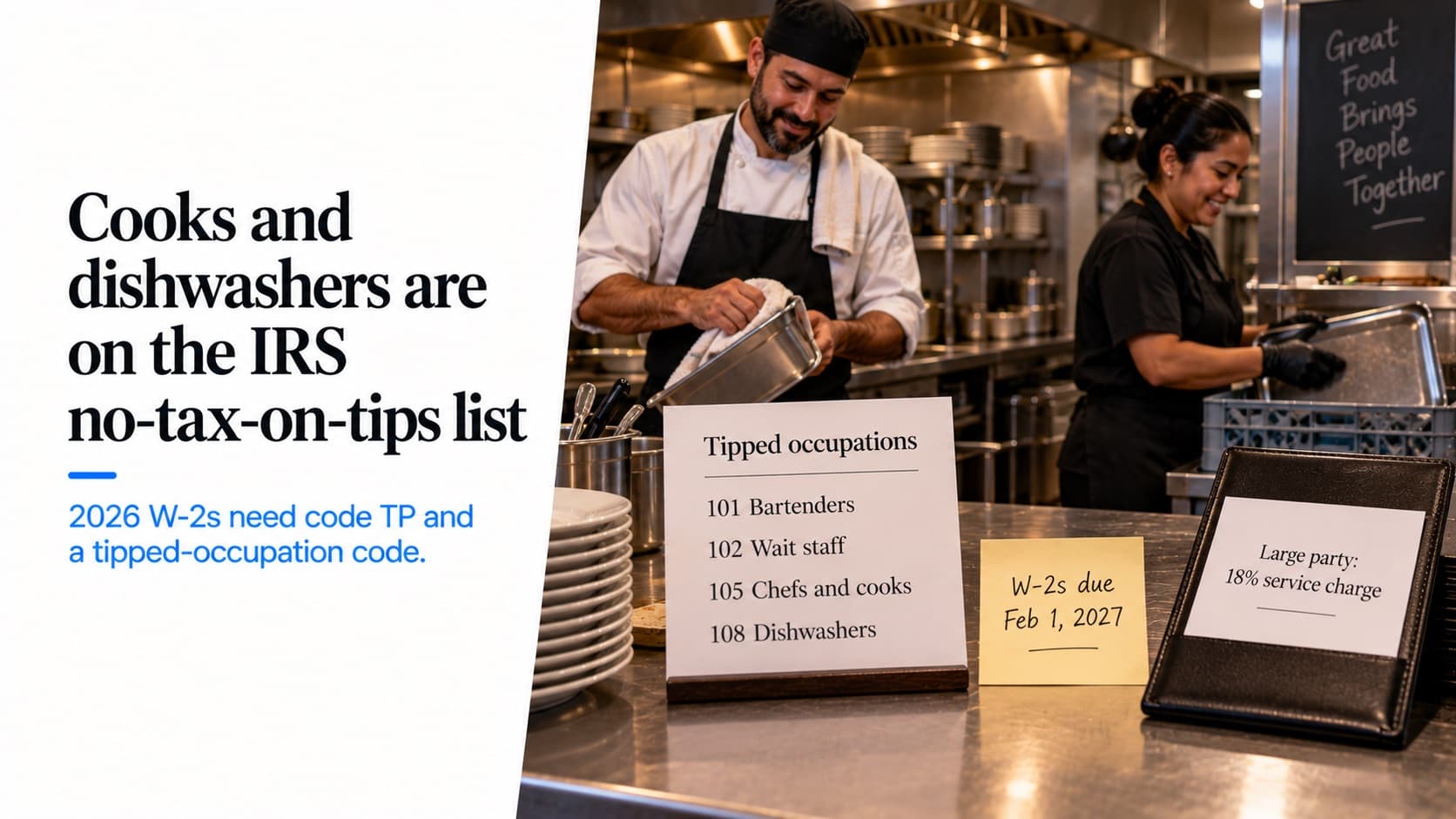
Cooks and dishwashers are on the IRS no-tax-on-tips list
2026 W-2s, due February 1, 2027, must show total reported tips under code TP plus a tipped-occupation code. An auto-gratuity guests can't remove isn't a tip.
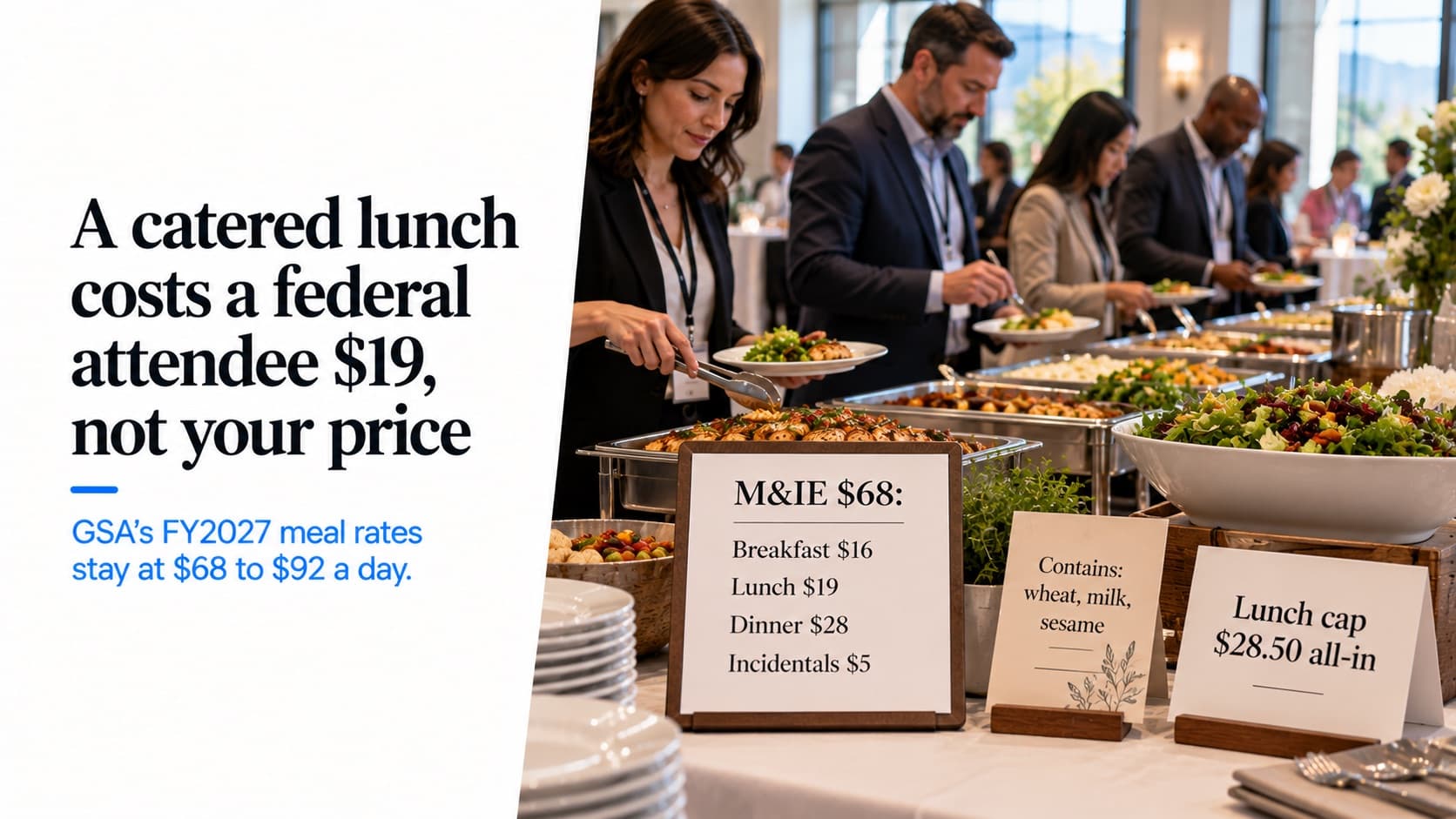
A catered lunch costs a federal attendee $19, not your price
GSA's meal rates for FY2027, effective October 1, stay at $68 to $92 a day. The conference-planning rules most guides cite were deleted in December 2025.
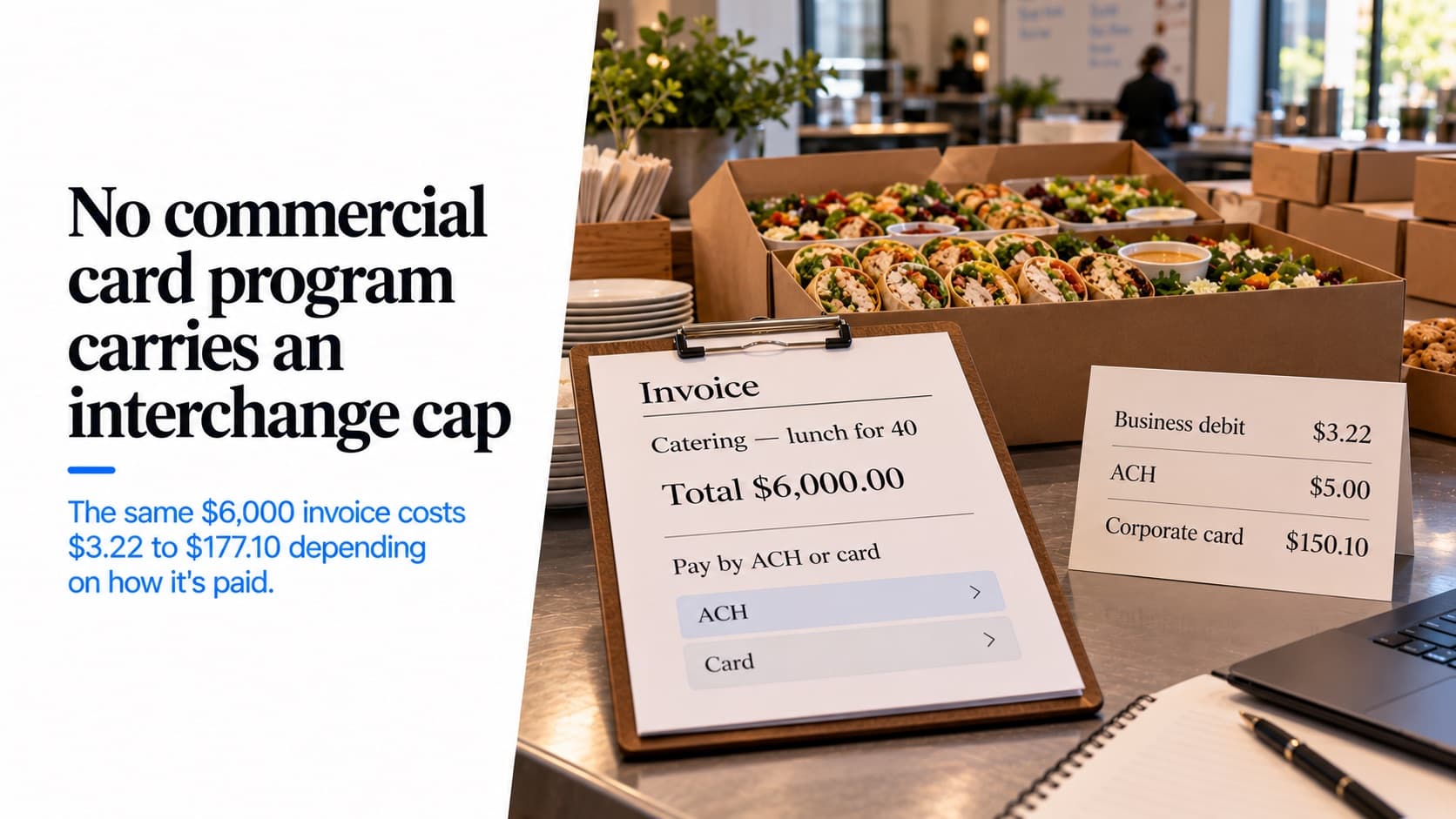
No commercial card program carries an interchange cap
The same $6,000 invoice: $150.10 on a corporate card, $105.10 with Level 3 data, $5.00 by Stripe ACH, $3.22 on a regulated business debit card.
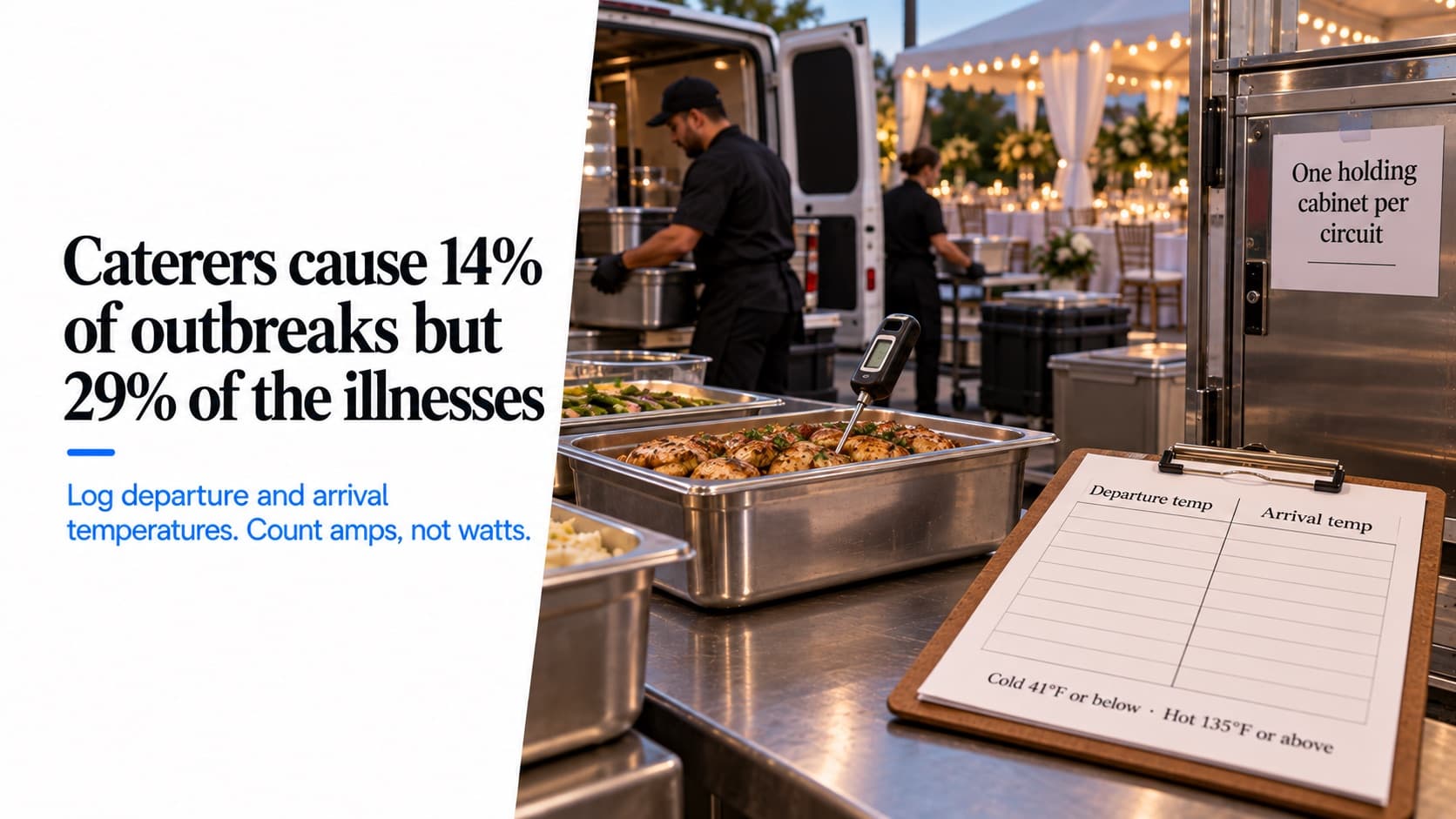
Caterers cause 14% of outbreaks but 29% of the illnesses
California requires departure and arrival temperature logs, kept 90 days. The Food Code gives temporary events just three exemptions.
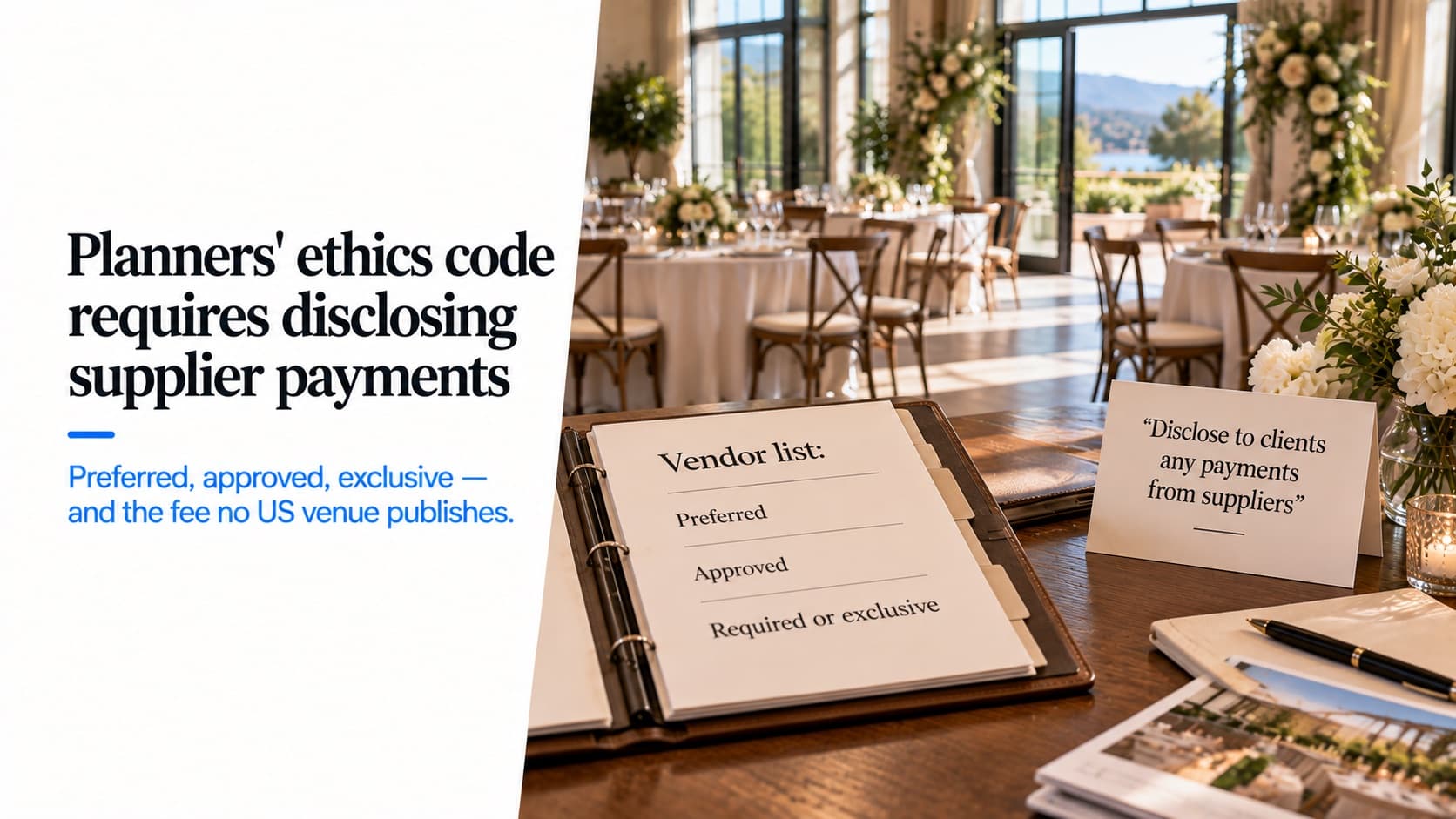
Planners' ethics code requires disclosing supplier payments
Venues sell placement three ways: flat monthly fee, per booking, or performance. Reported outside-caterer buyouts run $500 to $2,000, and none is published.
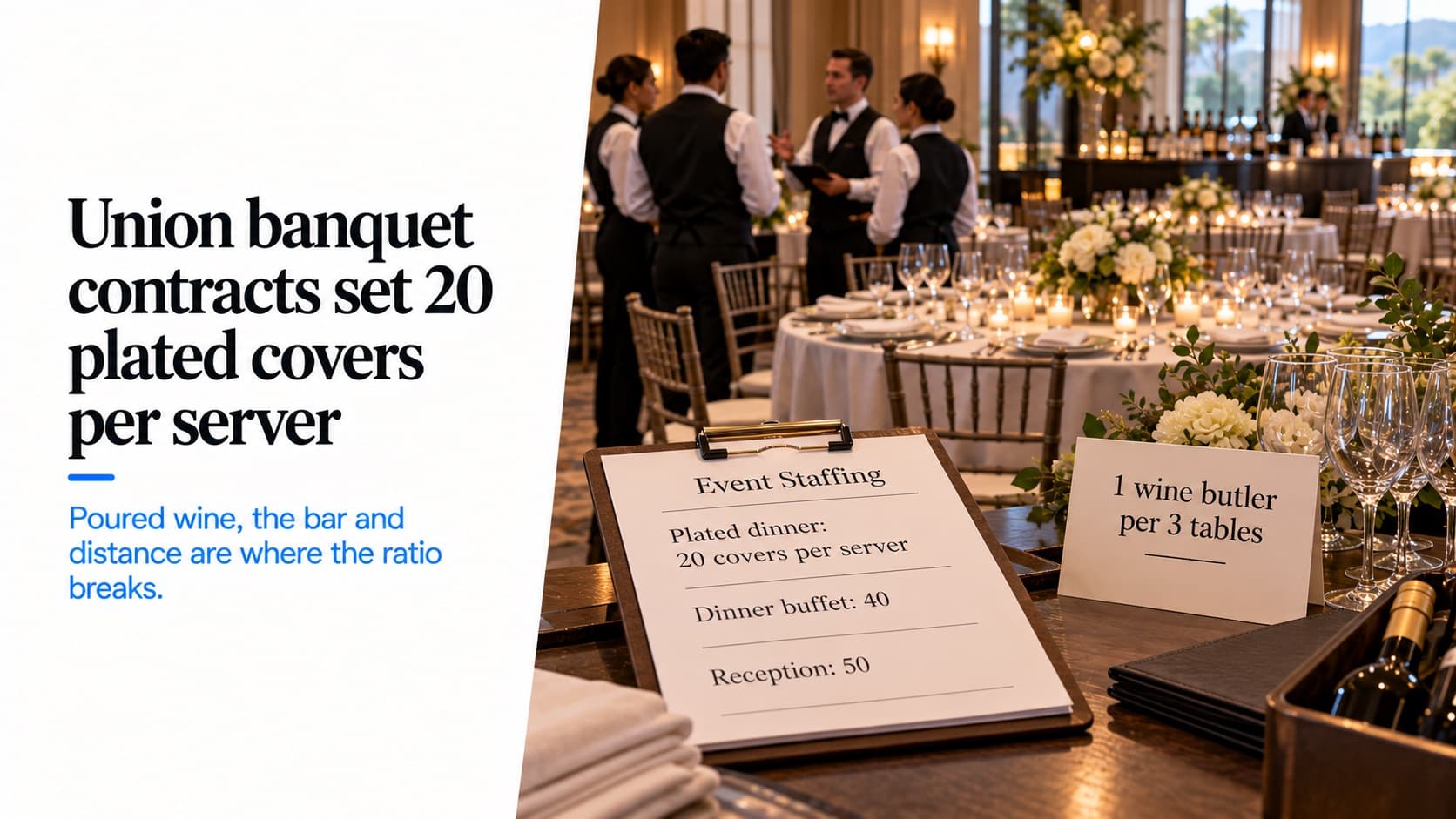
Union banquet contracts set 20 plated covers per server
A lunch-then-dinner double is a California split shift with its own premium. New York guarantees three hours of call-in pay per shift.
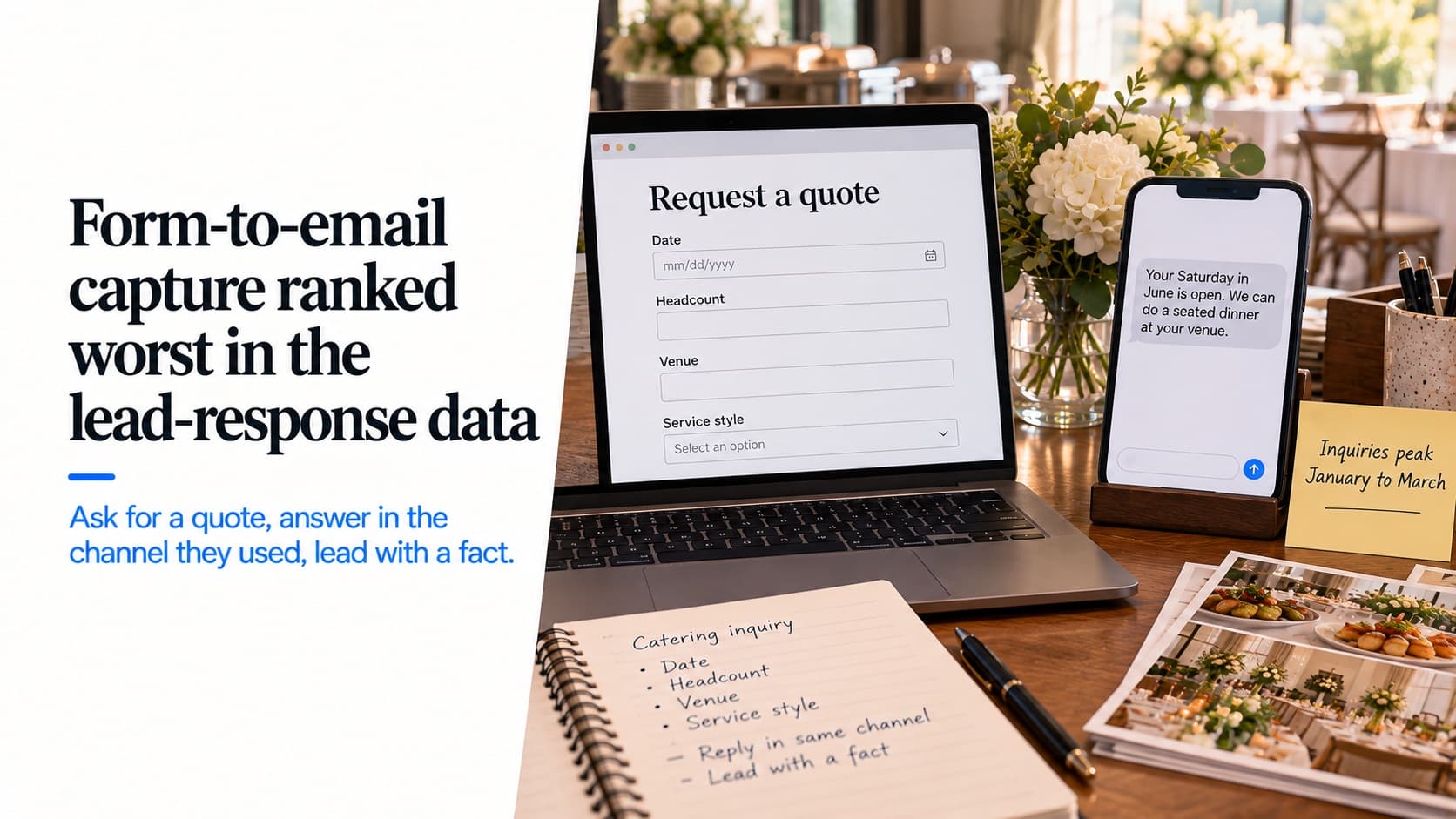
Form-to-email capture ranked worst in the lead-response data
Federal law lets you email an inquiry lead with no prior consent. A marketing text to that same couple needs prior express written consent.
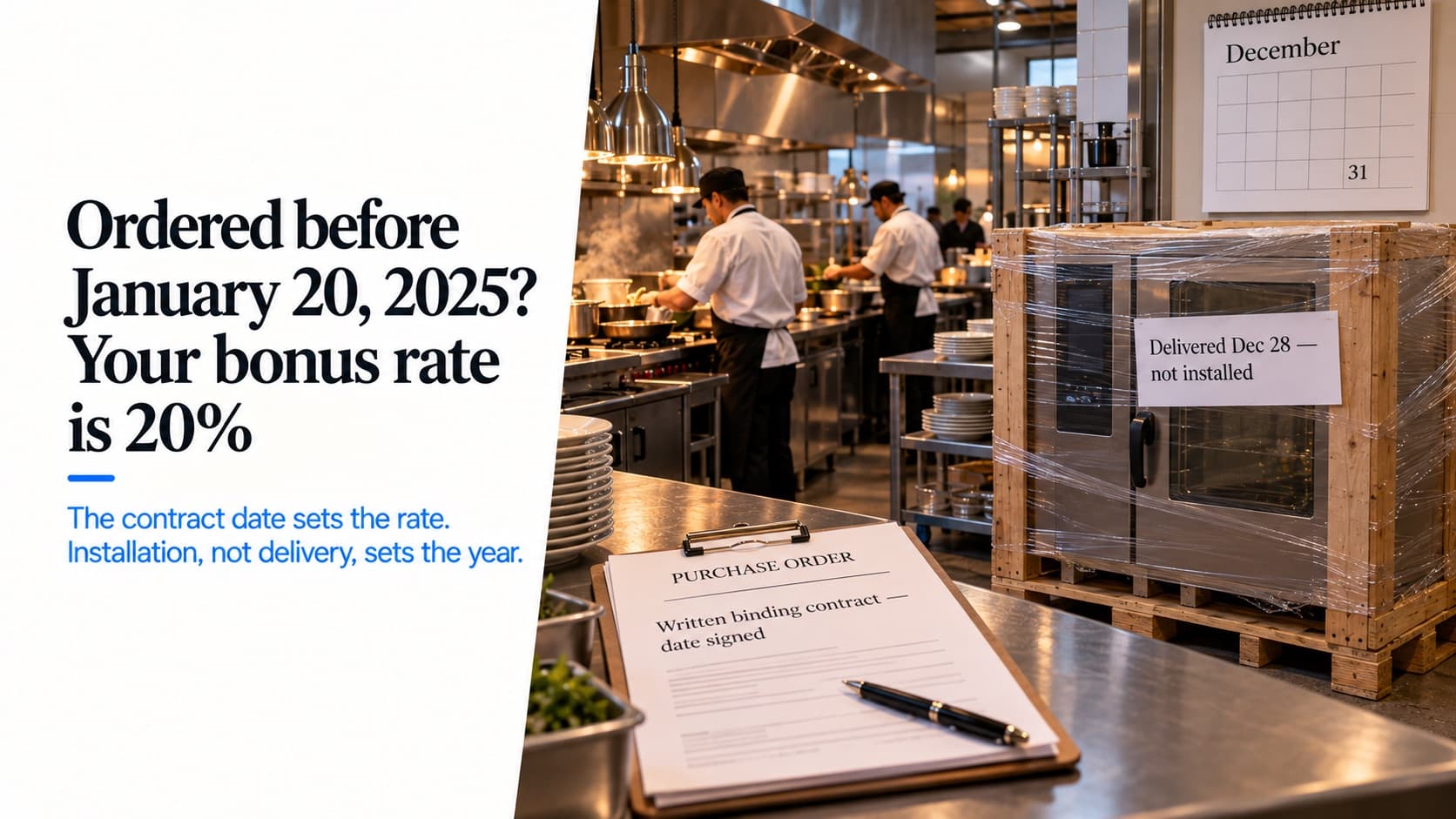
Ordered before January 20, 2025? Your bonus rate is 20%
Delivered but still crated on December 31 is next year's deduction. Roofs and HVAC take Section 179 but fail the bonus test; California caps 179 at $25,000.
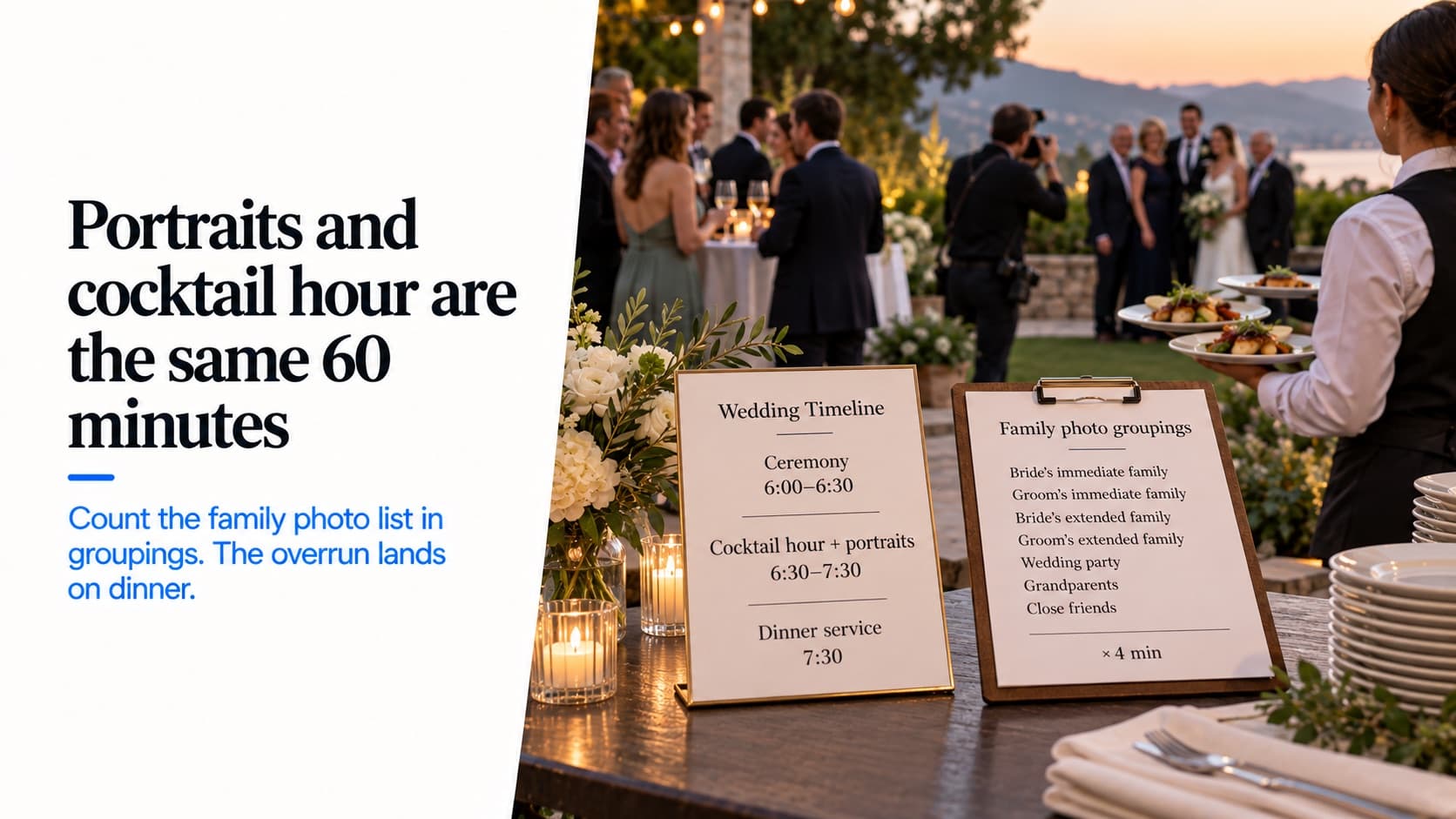
Portraits and cocktail hour are the same 60 minutes
Allow three to five minutes per family photo grouping. One venue publishes plated service at 40 to 45 minutes, from salad to coffee.
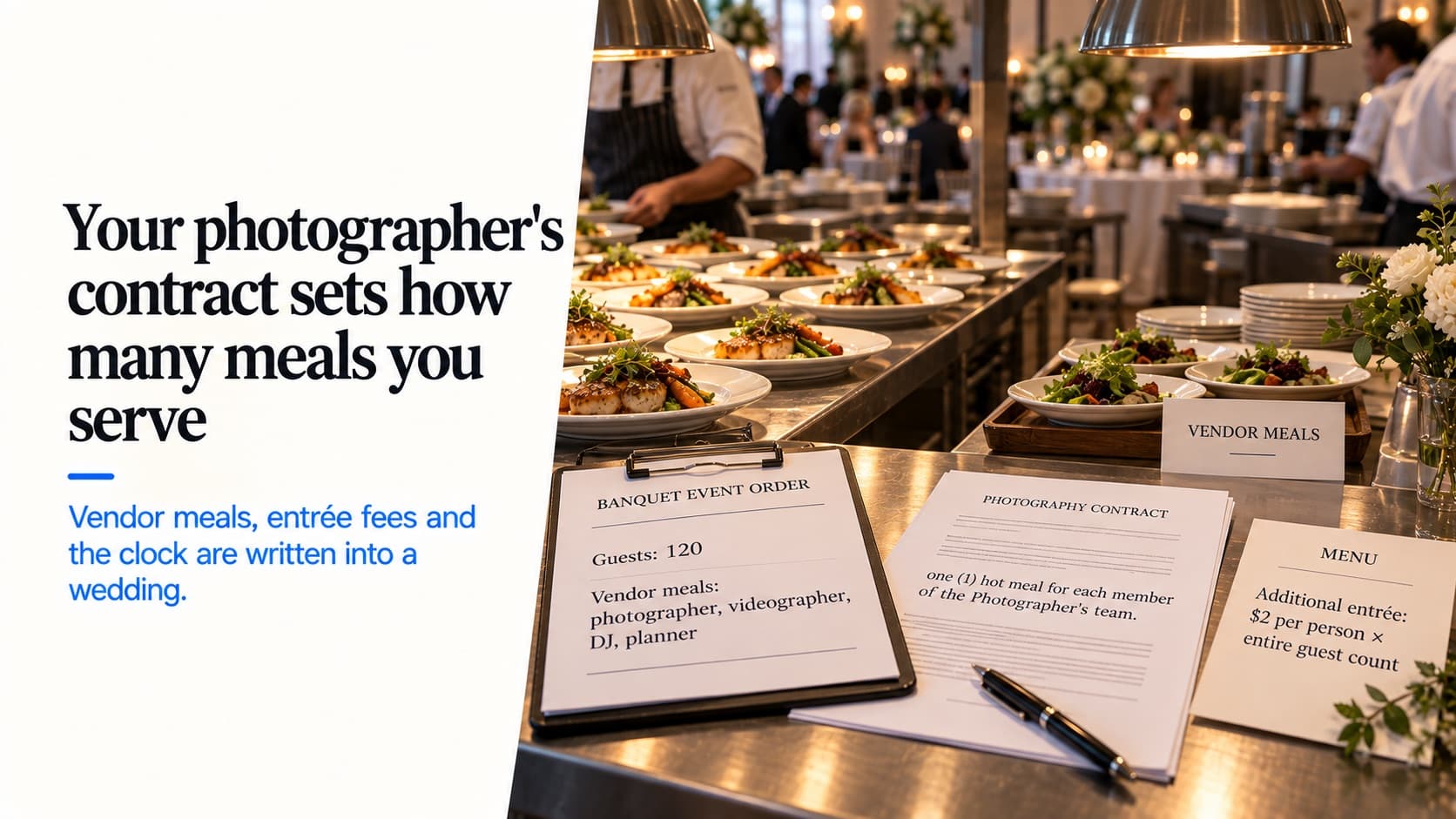
Your photographer's contract sets how many meals you serve
A university caterer adds $1,000 to every wedding for labor alone, and $2 a head across the whole room when one entree choice passes 20%.
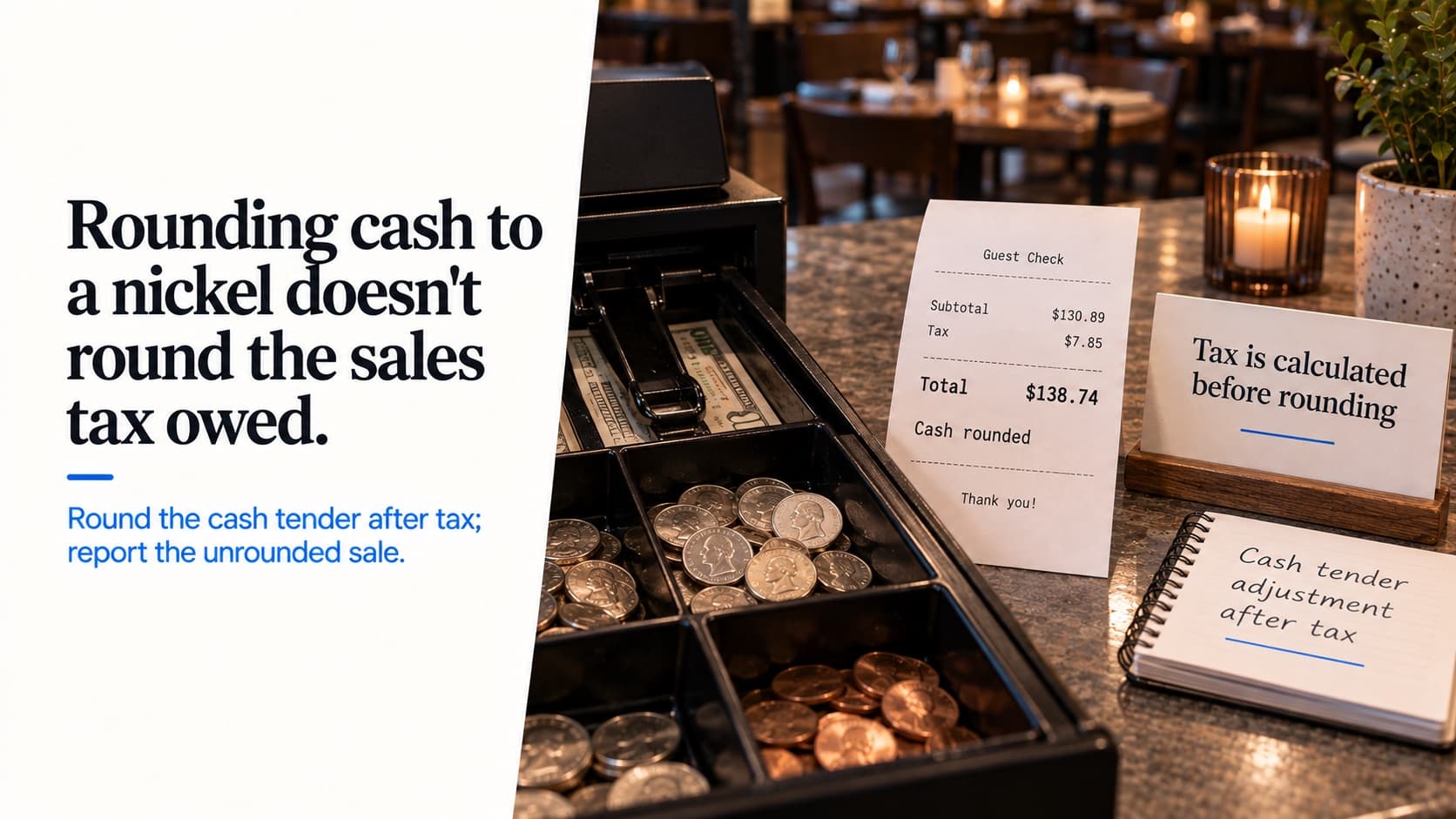
Rounding cash to a nickel doesn't round the sales tax owed
Congress hasn't finished its penny bill. Arizona already requires rounding and a posted sign, and cash-discrimination laws make rounding up risky.
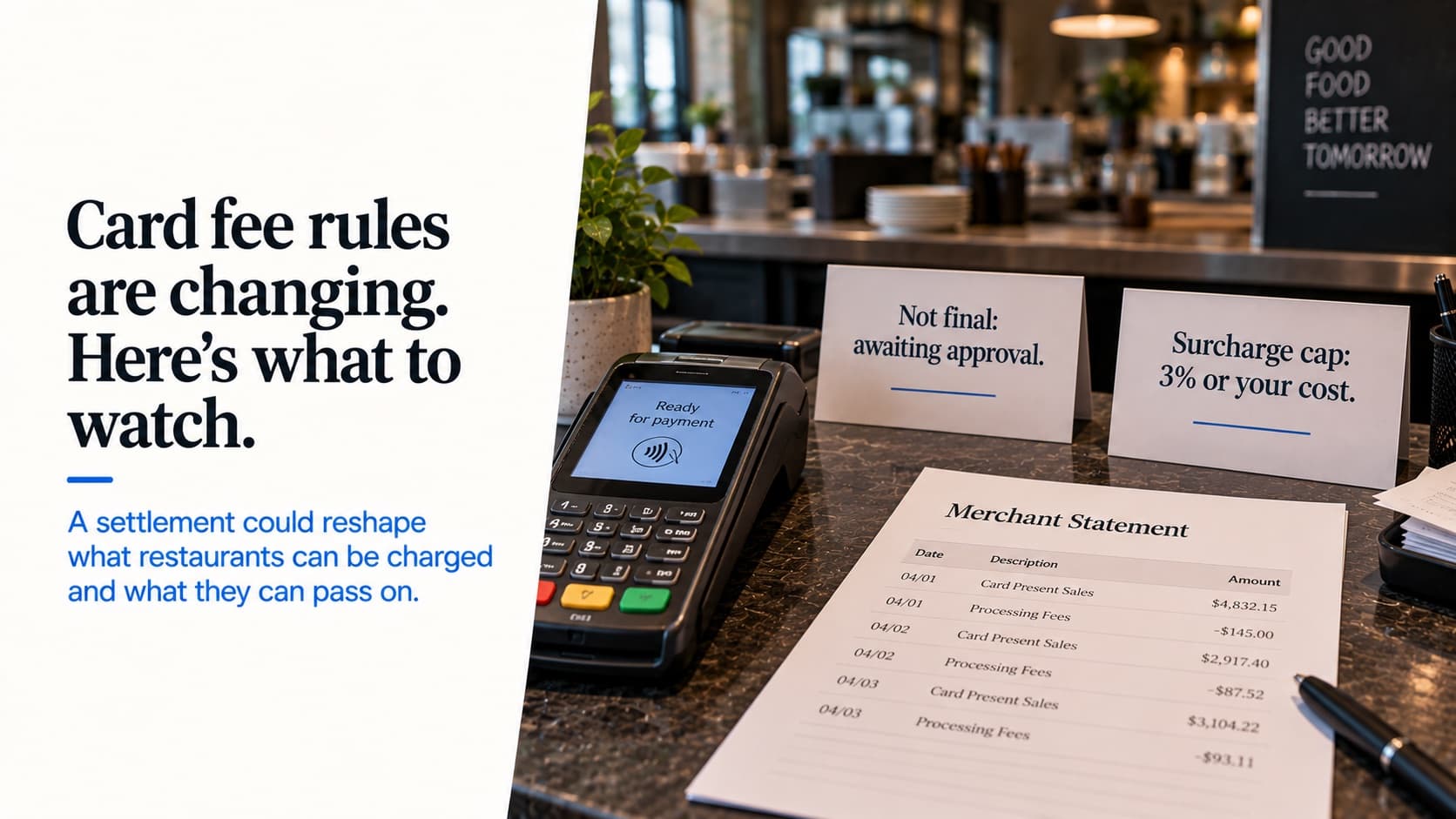
The Visa-Mastercard deal would let you refuse premium cards
It isn't final: preliminary approval came June 9, and there's no opt-out. The surcharge cap becomes 3% or your cost, and state bans still apply.
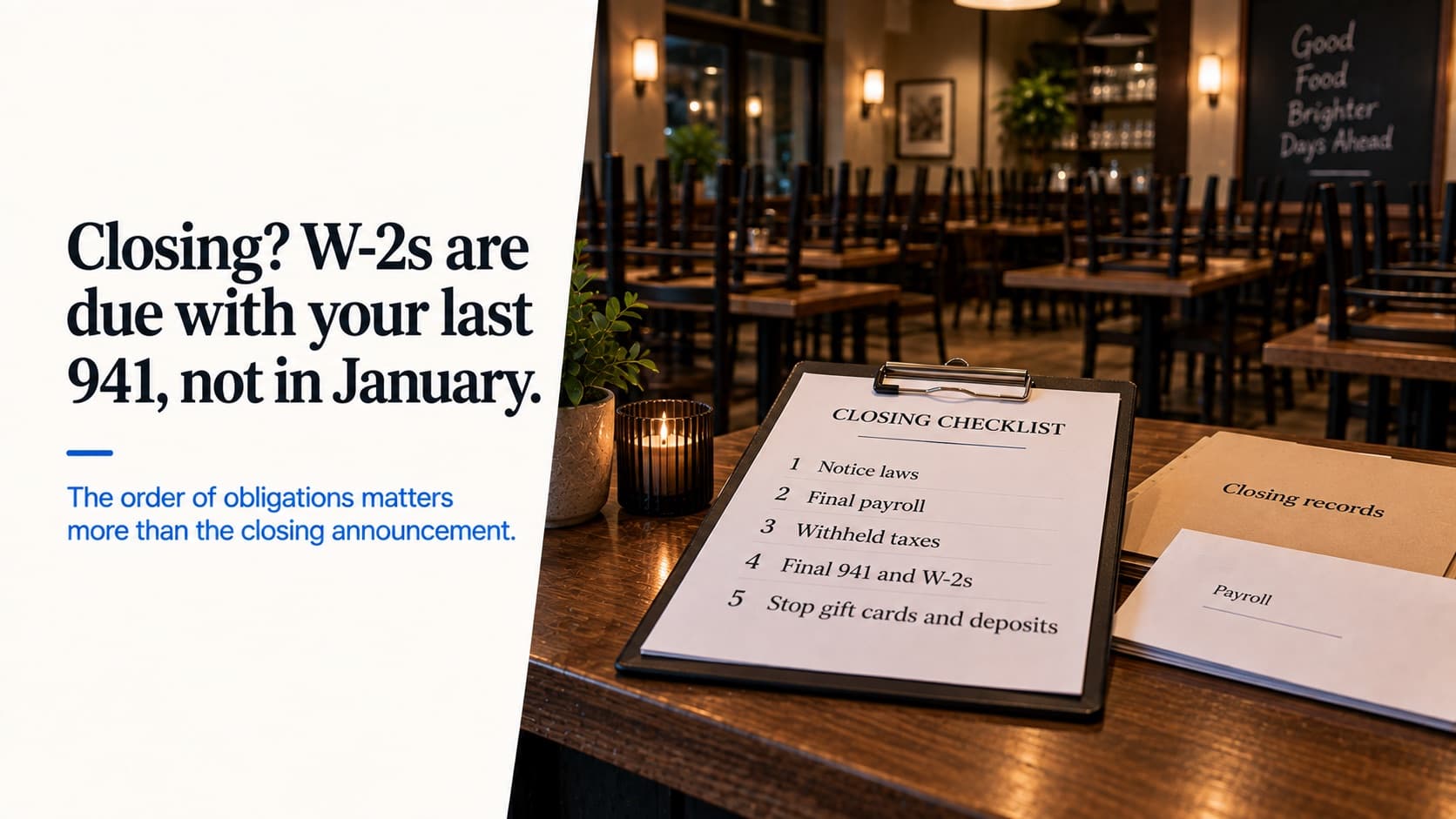
Closing? W-2s are due with your last 941, not in January
New York's closing-notice law starts at 50 employees, not 100, and New Jersey adds a week of severance per year of service even with full notice.
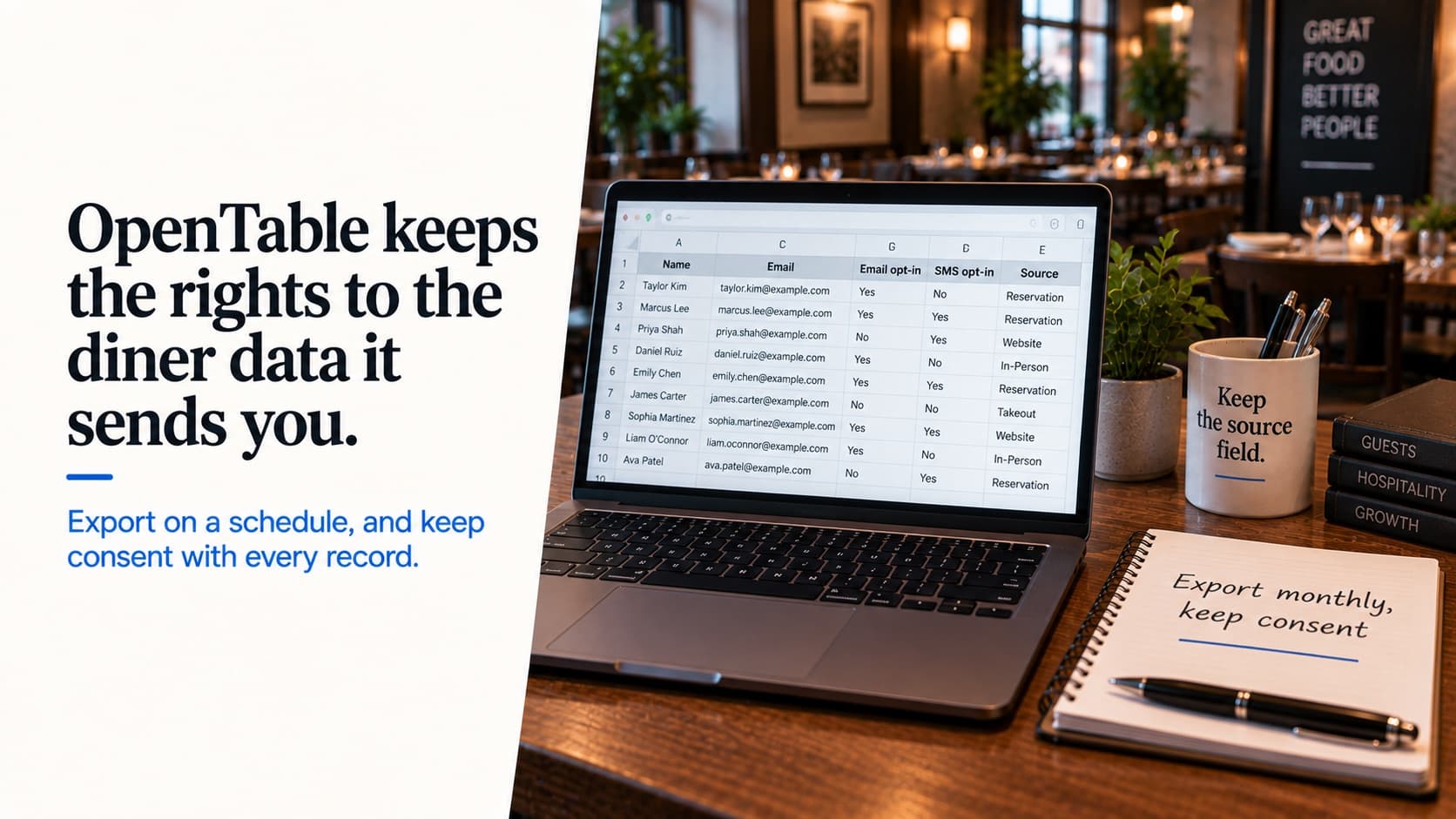
OpenTable keeps the rights to the diner data it sends you
Exports close 30 days after you leave. An exported phone number isn't permission to text, and a court struck down NYC's delivery-data law.
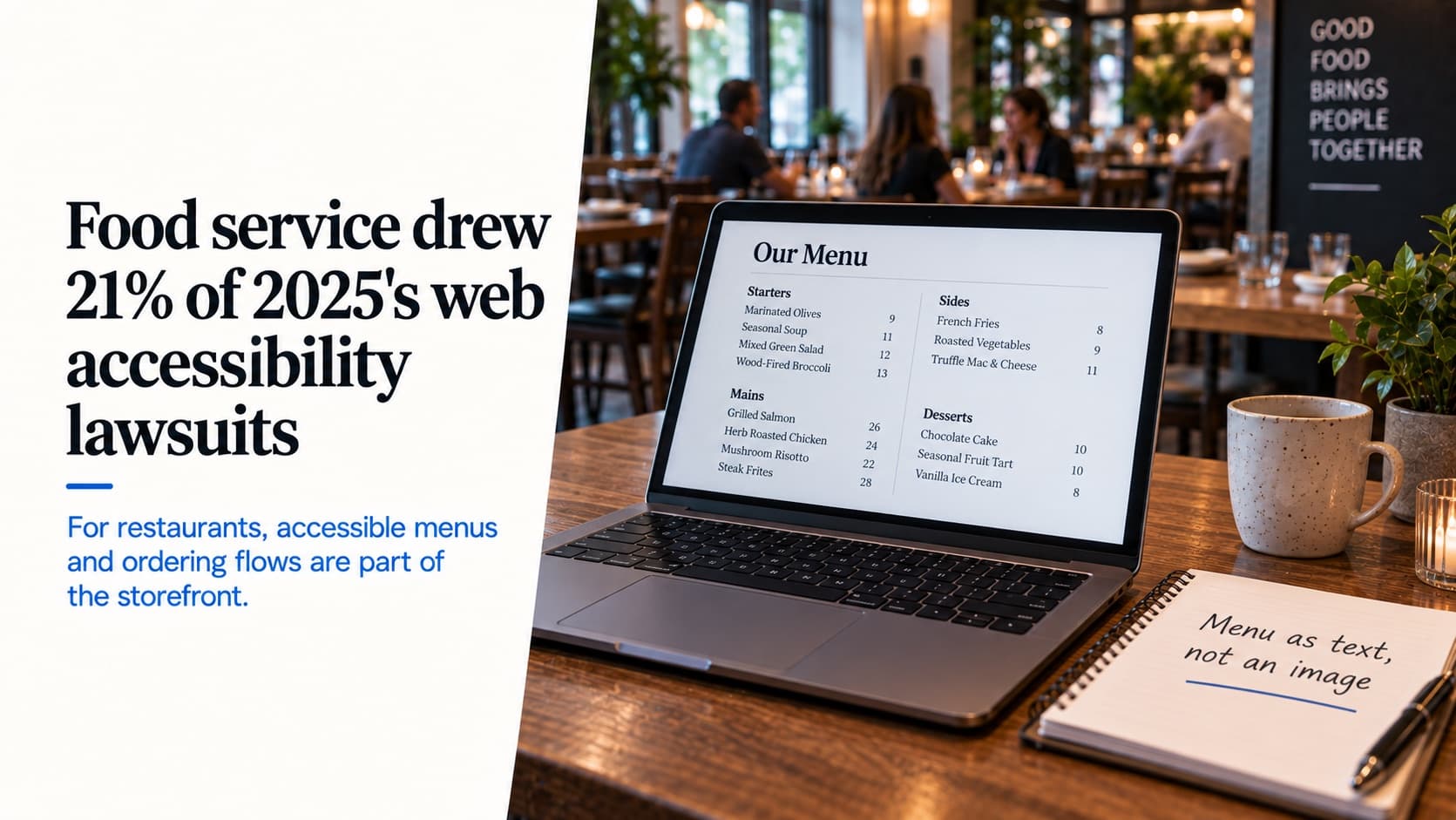
Food service drew 21% of 2025's web accessibility lawsuits
An overlay widget didn't prevent about 1,400 of them, and the FTC fined accessiBe $1 million. A restaurant can't use the online-only defense.
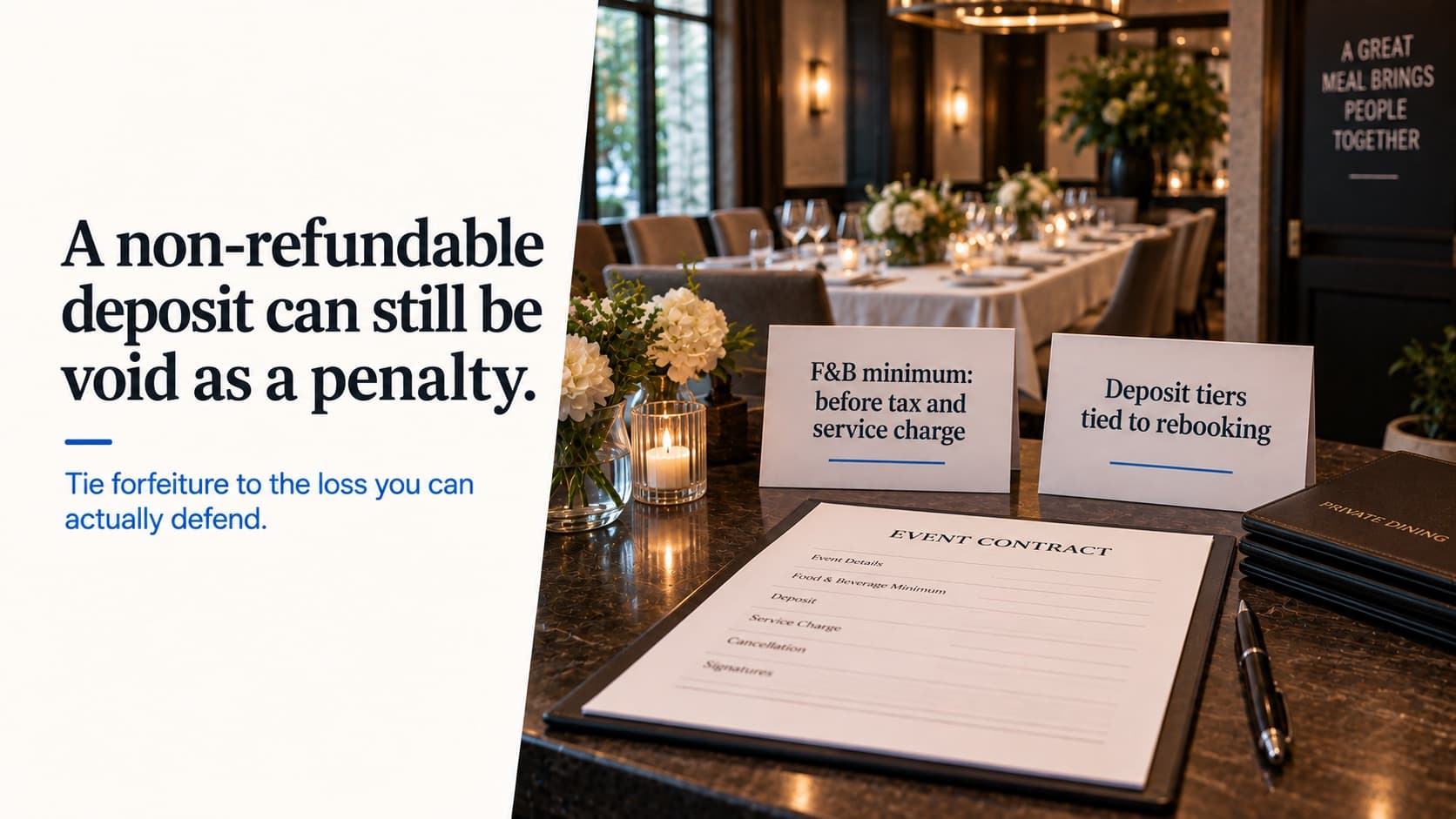
A non-refundable deposit can still be void as a penalty
California judges a birthday dinner's deposit more strictly than a corporate booking's, and taxes a mandatory event service charge even if staff get all of it.
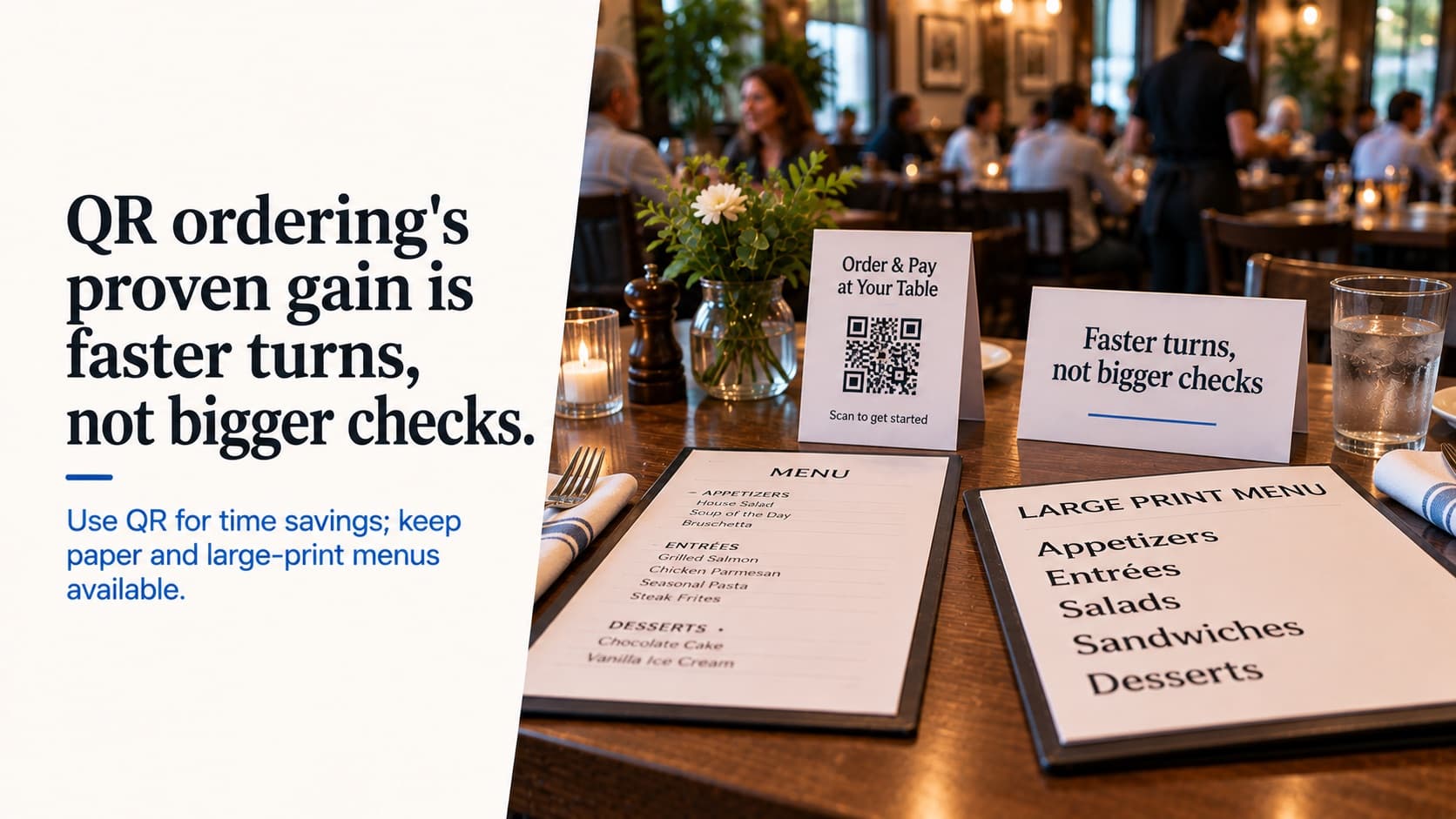
QR ordering's proven gain is faster turns, not bigger checks
65% of diners have used QR menus, yet 58% want paper back. Only 16% of Boomers would pay by QR code, and the ADA still requires an alternative.
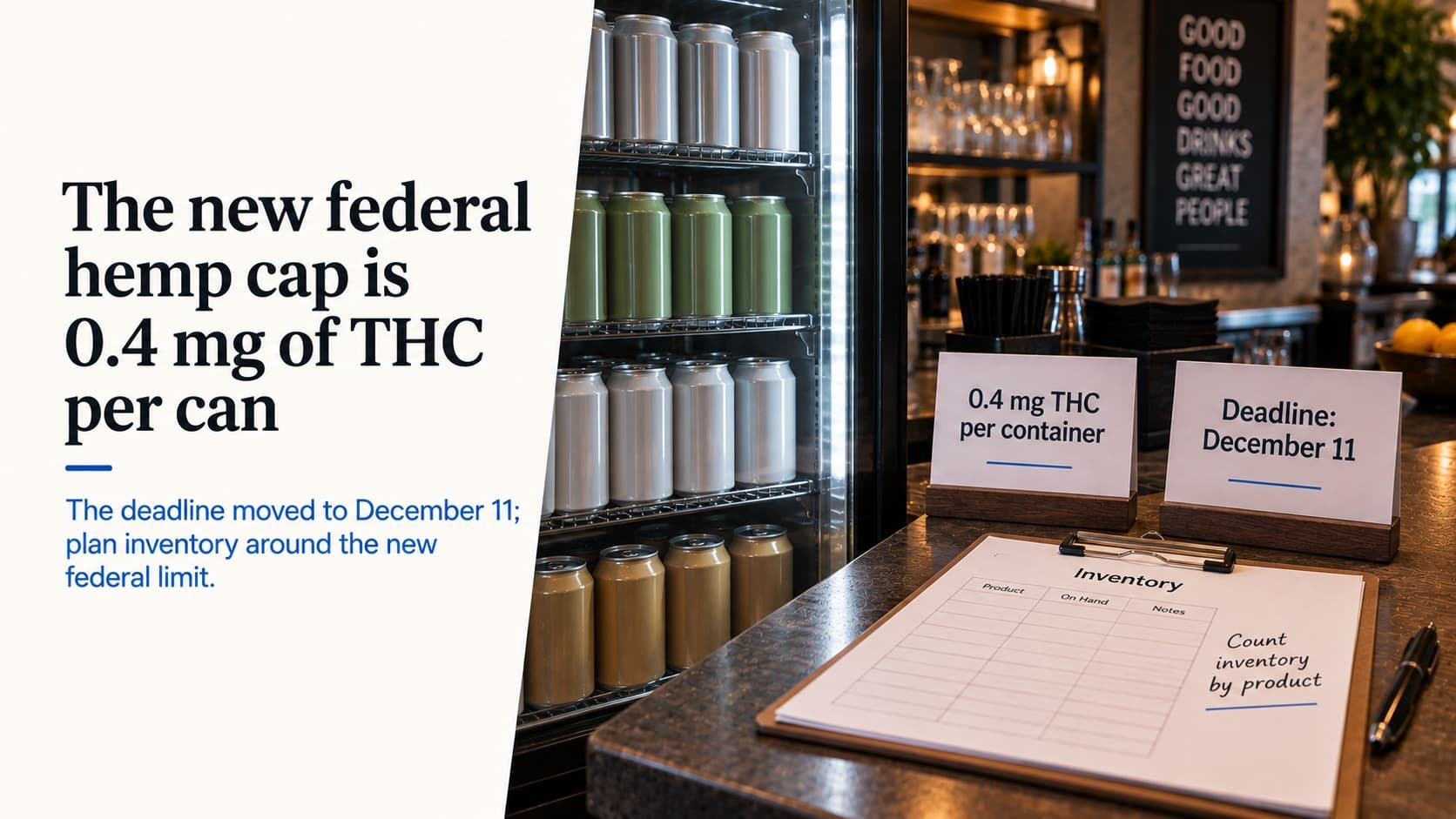
The new federal hemp cap is 0.4 mg of THC per can
The deadline moved to December 11, and synthetic cannabinoids lose hemp status November 12. A state hemp licence does not protect a bar from federal law.