

Lucas Hartwell
Restaurant Economics Analyst
- POS pricing models and vendor contracts
- Payment processing economics (interchange-plus vs bundled)
- Restaurant operations finance
- Multi-unit operations and unit economics
- Catering and off-premise revenue analysis
- Vendor negotiation and contract red flags
- Restaurant industry research
Lucas writes the analytical, bottom-funnel content on the Katalyst blog — the posts about pricing models, contract red flags, payment processing economics, and the line-item math operators wish vendors would publish honestly. He runs research for the team and ghost-edits a lot of what the rest of us write when it ventures near numbers.
He came up the operator side, not the software side. After culinary school, he line-cooked through three concepts in Boston before stepping into a GM role at a casual-fine-dining group in the Seaport. That's where the math started to interest him: he was the GM signing the merchant statements, watching $11K-per-month processing fees stack up at a single location while the corporate office insisted the bundled rate was "the best they could do." He started running the interchange-plus arithmetic himself, and that was the end of his belief that POS pricing was opaque on purpose. It was just opaque because no one had read it carefully.
A few years later he bought into a four-location group in Providence as an operating partner. Most of what he learned about POS contracts, he learned the hard way during those four years: negotiating Toast renewals twice, switching processors mid-contract once, sunsetting an Aloha system during an acquisition, and writing the same migration checklist three times because nobody else had documented it. By the time the group sold in 2024, he had a small library of spreadsheets covering every operating cost line a restaurant POS touches.
He found Katalyst the way most operators do — comparing five POS companies during a renewal cycle, getting straight answers on interchange-plus and exit terms from one of them, and walking out of the demo asking why the other four wouldn't put any of the same numbers in writing. He joined the company in 2025 because that single observation — that vendors charge more when they hide pricing, and operators pay more when they don't read it — became something he wanted to spend his time fixing at scale.
His writing reflects the operator-first lens. Posts in this category won't tell you Katalyst is the right pick for your restaurant — that's your decision to make from your own data. They'll tell you what the data is, where to find it on your statements, and how each major vendor structures its bundled vs. interchange-plus models. The math is the math; the conclusion is yours.
When he isn't writing, Lucas still consults for a handful of independent operators on contract reviews and processor switches. He's based outside Boston, drinks his coffee black with no time for pour-over theatre, and maintains that the best meal of his life was a $9 plate of shaved-ice cendol at a hawker stall in Penang. Take any of his pricing analysis as seriously as you'd take that food review.
Articles by Lucas
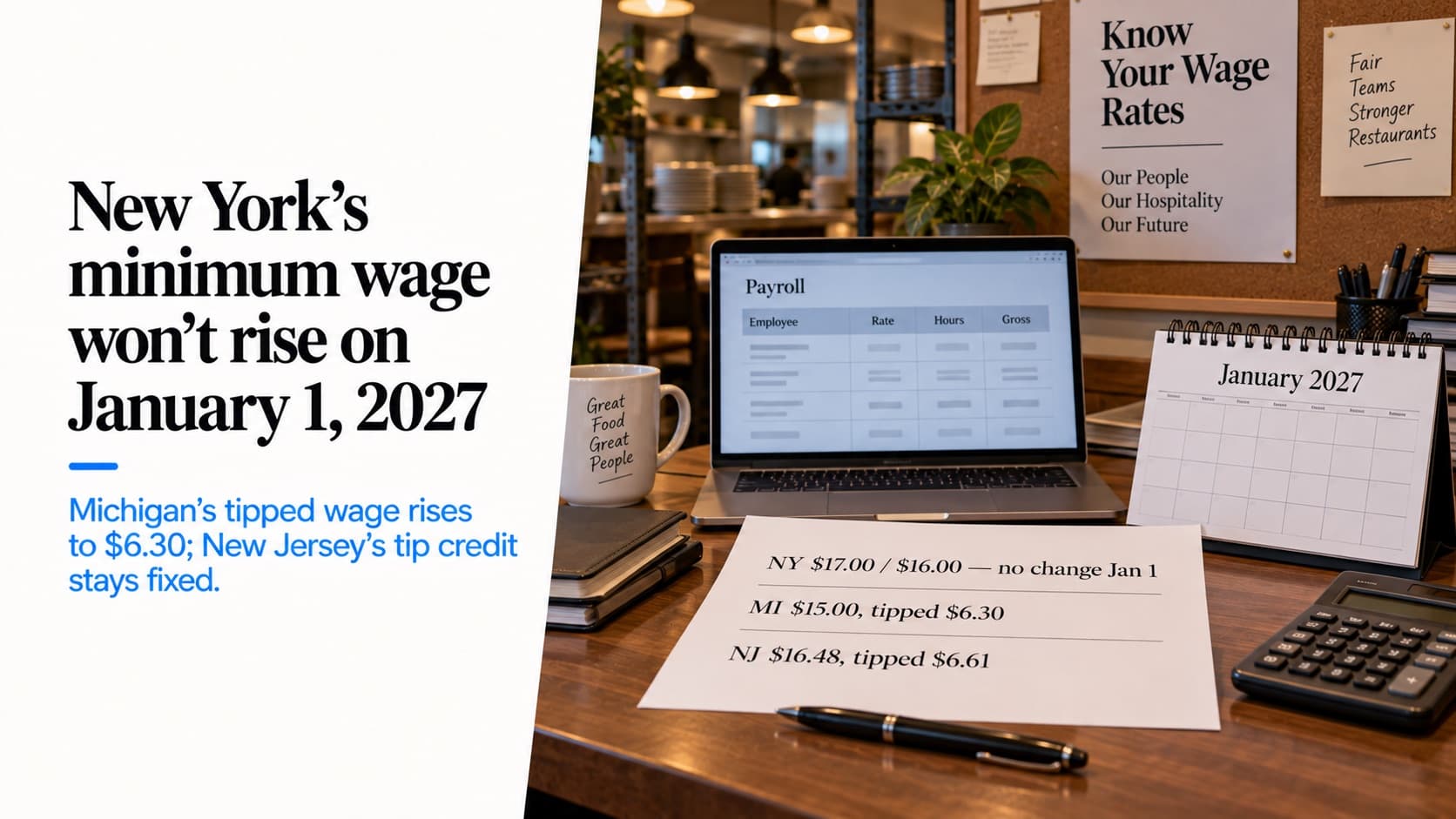
New York's minimum wage won't rise on January 1, 2027
Michigan's tipped cash wage jumps to $6.30, and New Jersey's whole increase lands on the cash wage because its $9.87 tip credit is fixed.
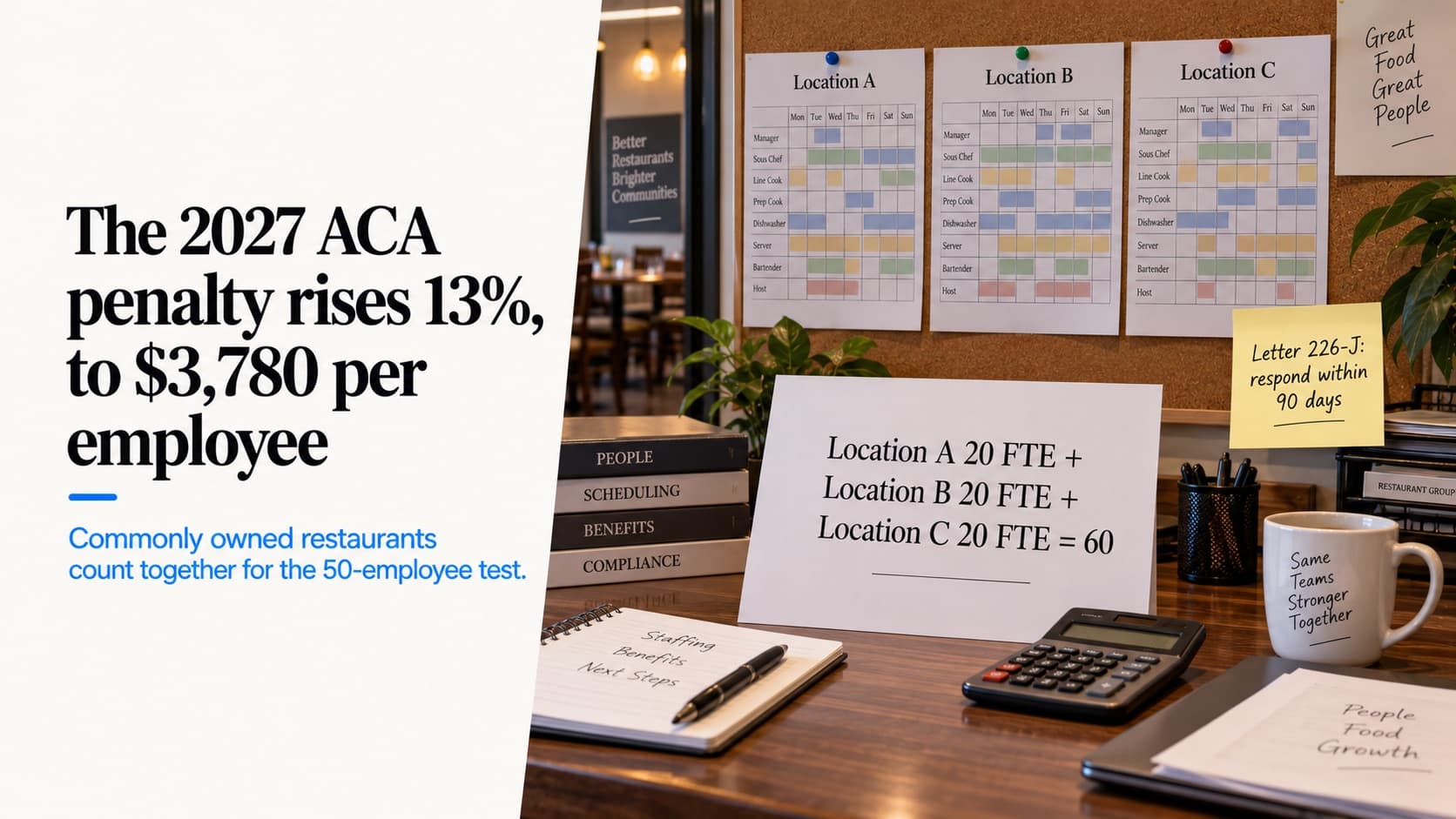
The 2027 ACA penalty rises 13%, to $3,780 per employee
Restaurants under common ownership are counted together for the 50-employee test, and the look-back method can't be used to decide whether you're covered.
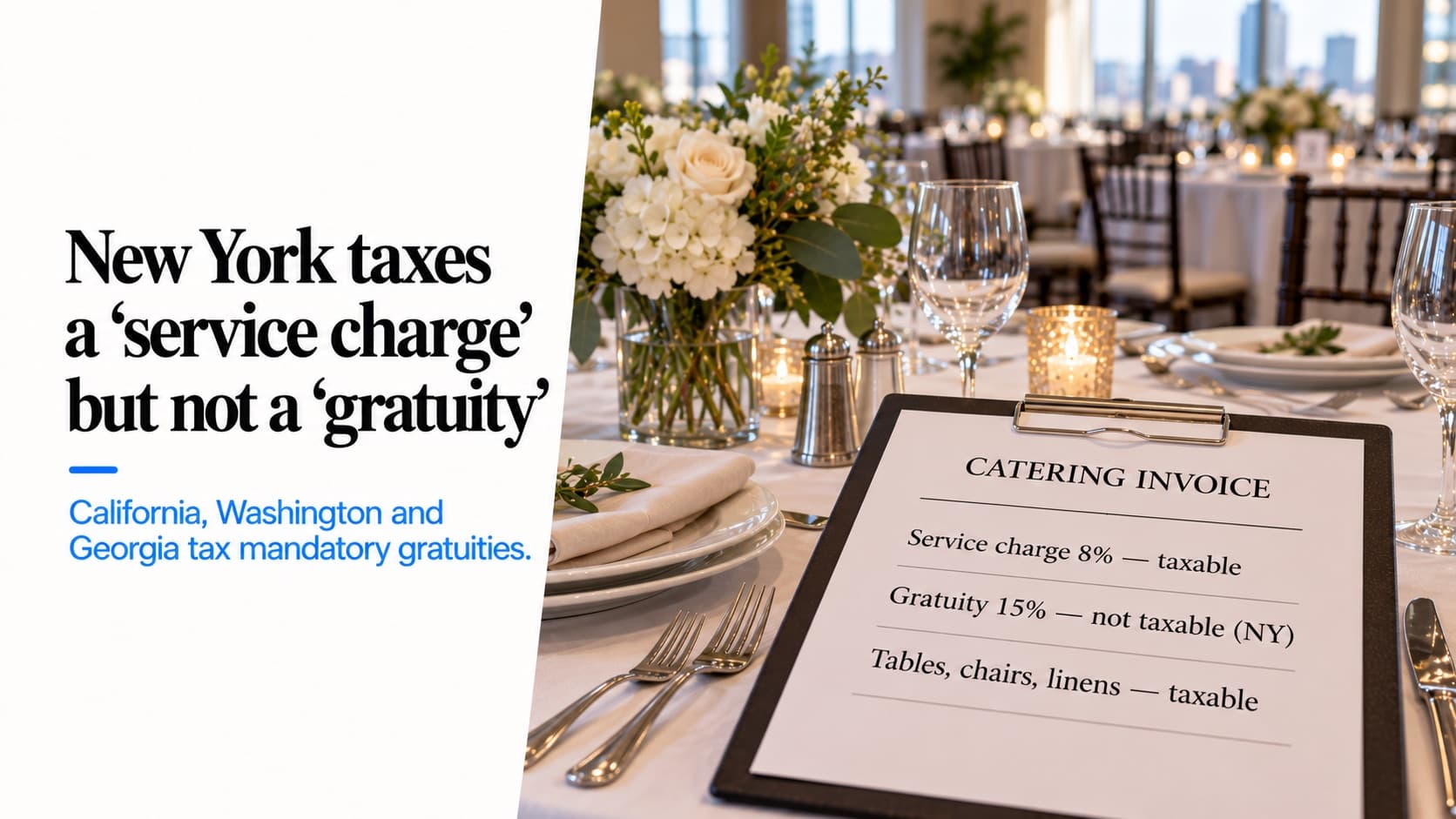
New York taxes a 'service charge' but not a 'gratuity'
California, Washington and Georgia tax a mandatory gratuity even when staff get all of it. Texas taxes the whole charge once it passes 20%.
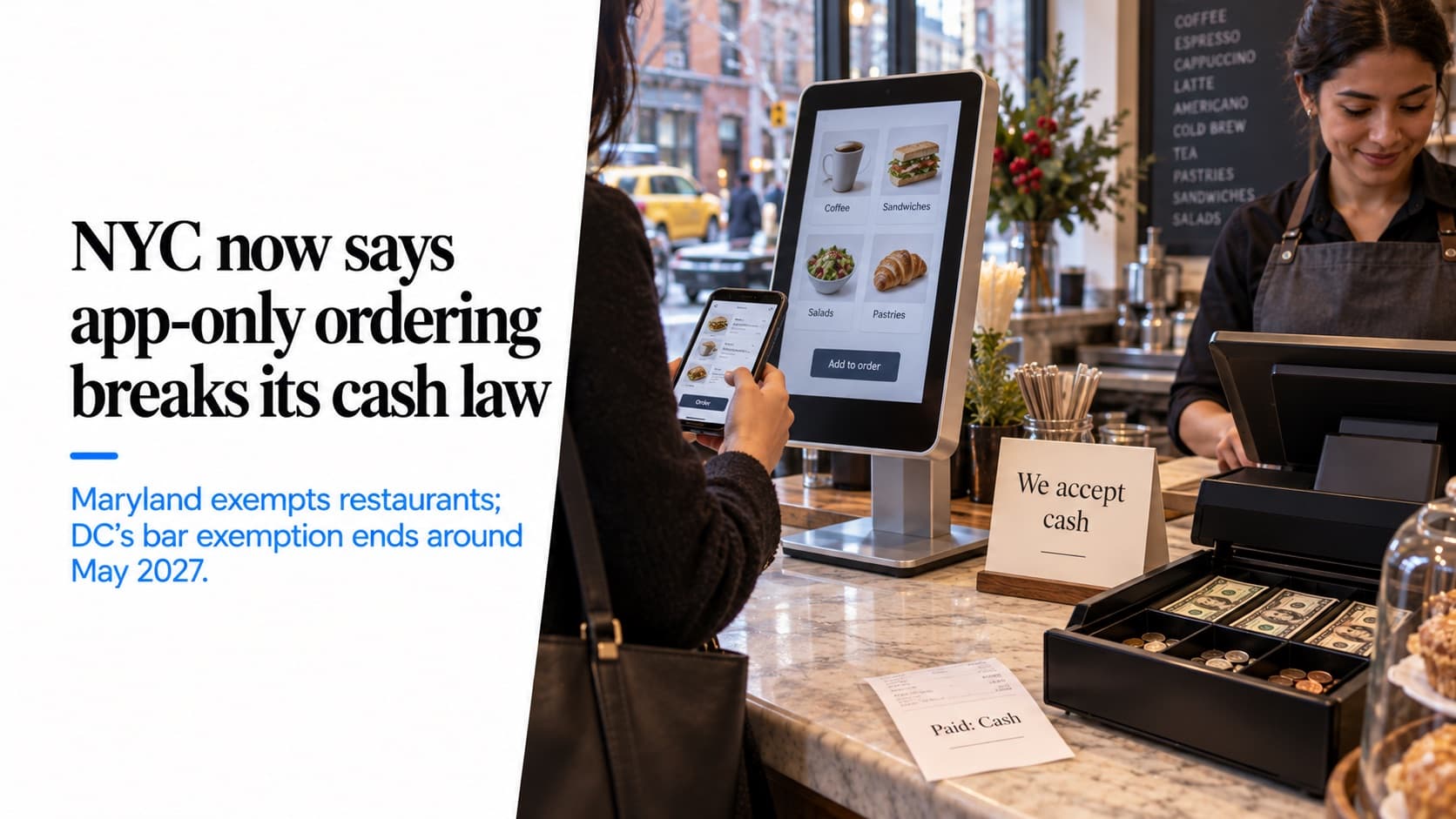
NYC now says app-only ordering breaks its cash law
Maryland's new cash law, effective October 1, exempts sit-down restaurants. DC lets licensed bars and late-night spots refuse cash until about May 2027.
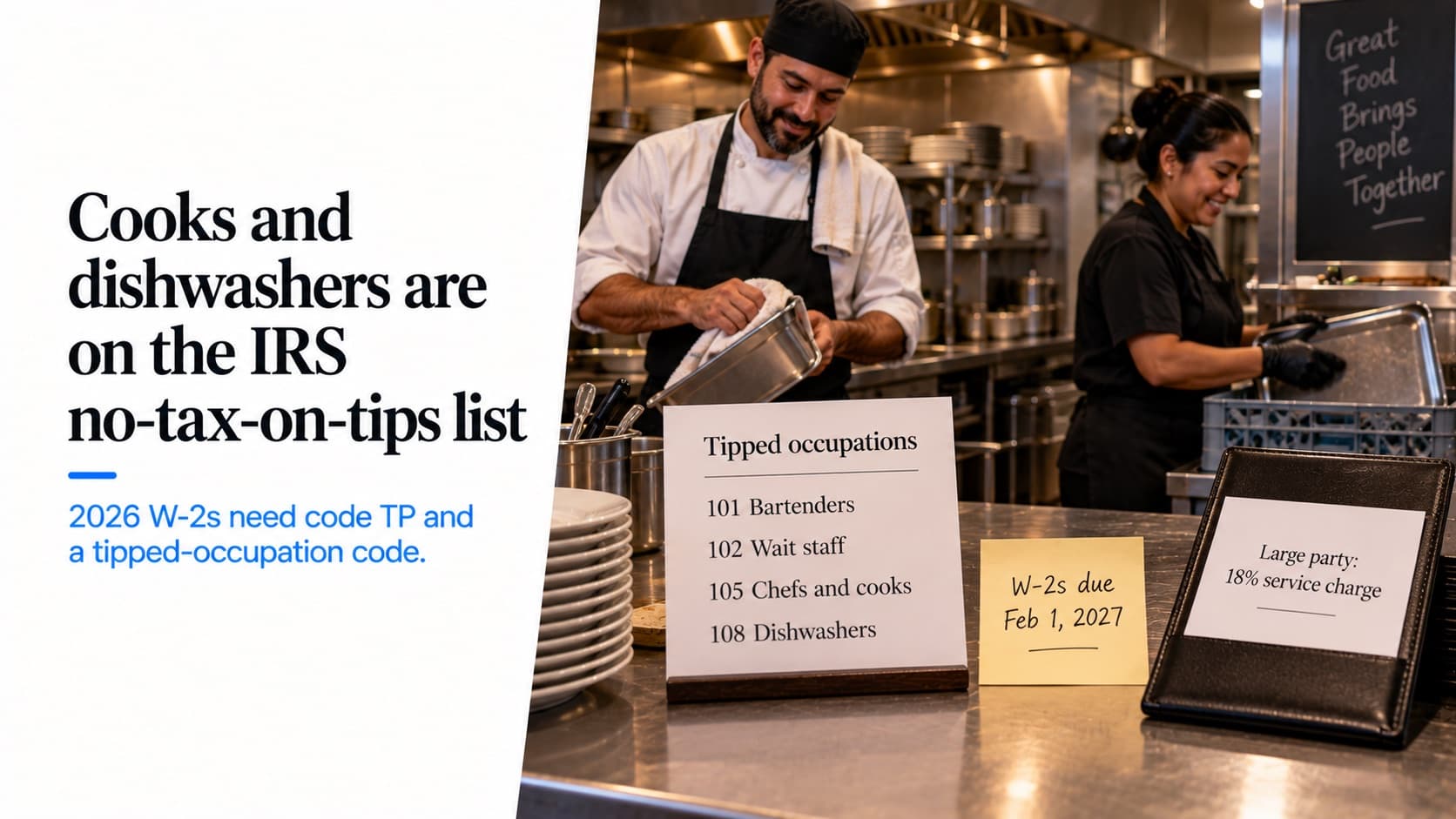
Cooks and dishwashers are on the IRS no-tax-on-tips list
2026 W-2s, due February 1, 2027, must show total reported tips under code TP plus a tipped-occupation code. An auto-gratuity guests can't remove isn't a tip.
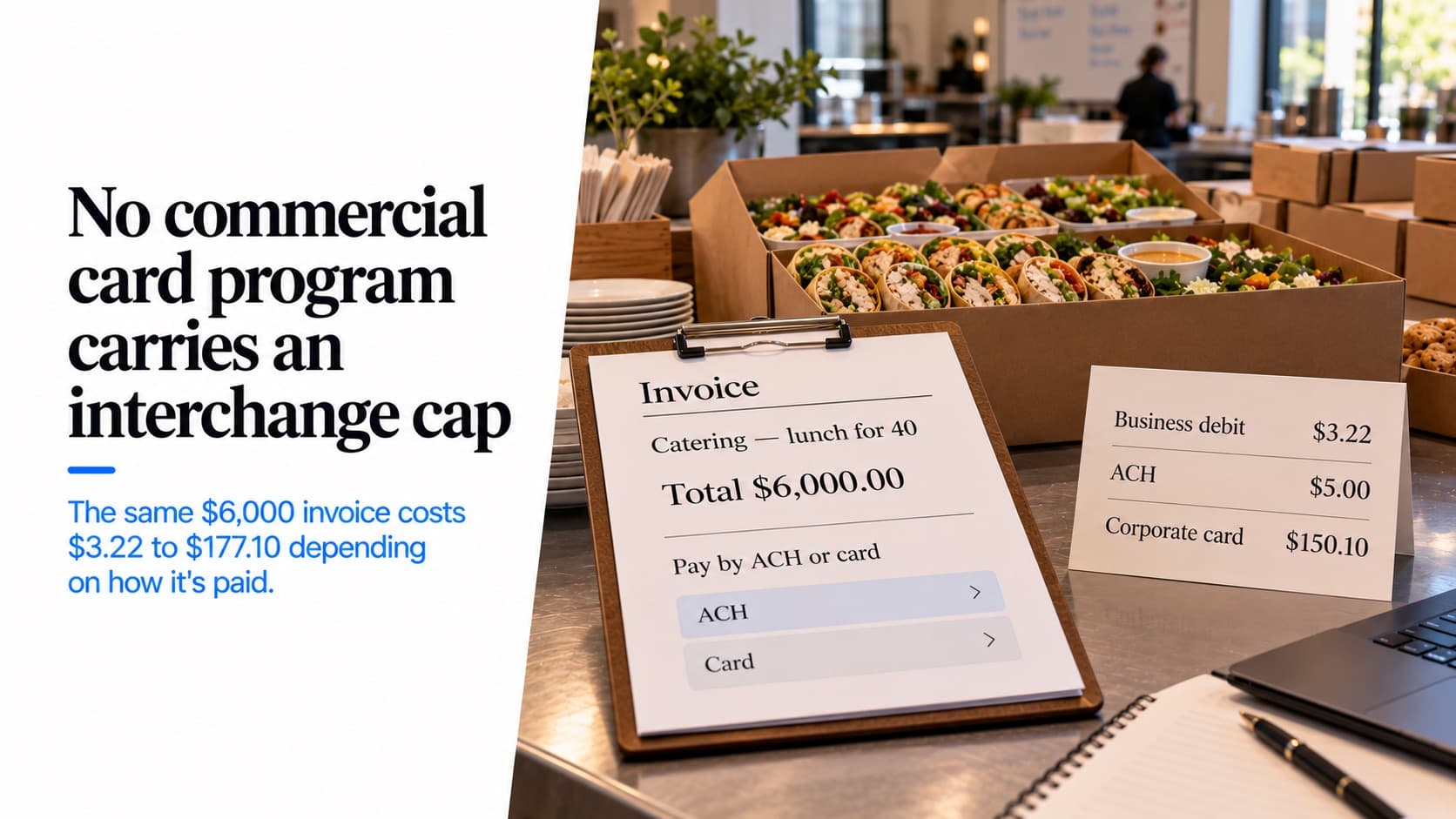
No commercial card program carries an interchange cap
The same $6,000 invoice: $150.10 on a corporate card, $105.10 with Level 3 data, $5.00 by Stripe ACH, $3.22 on a regulated business debit card.
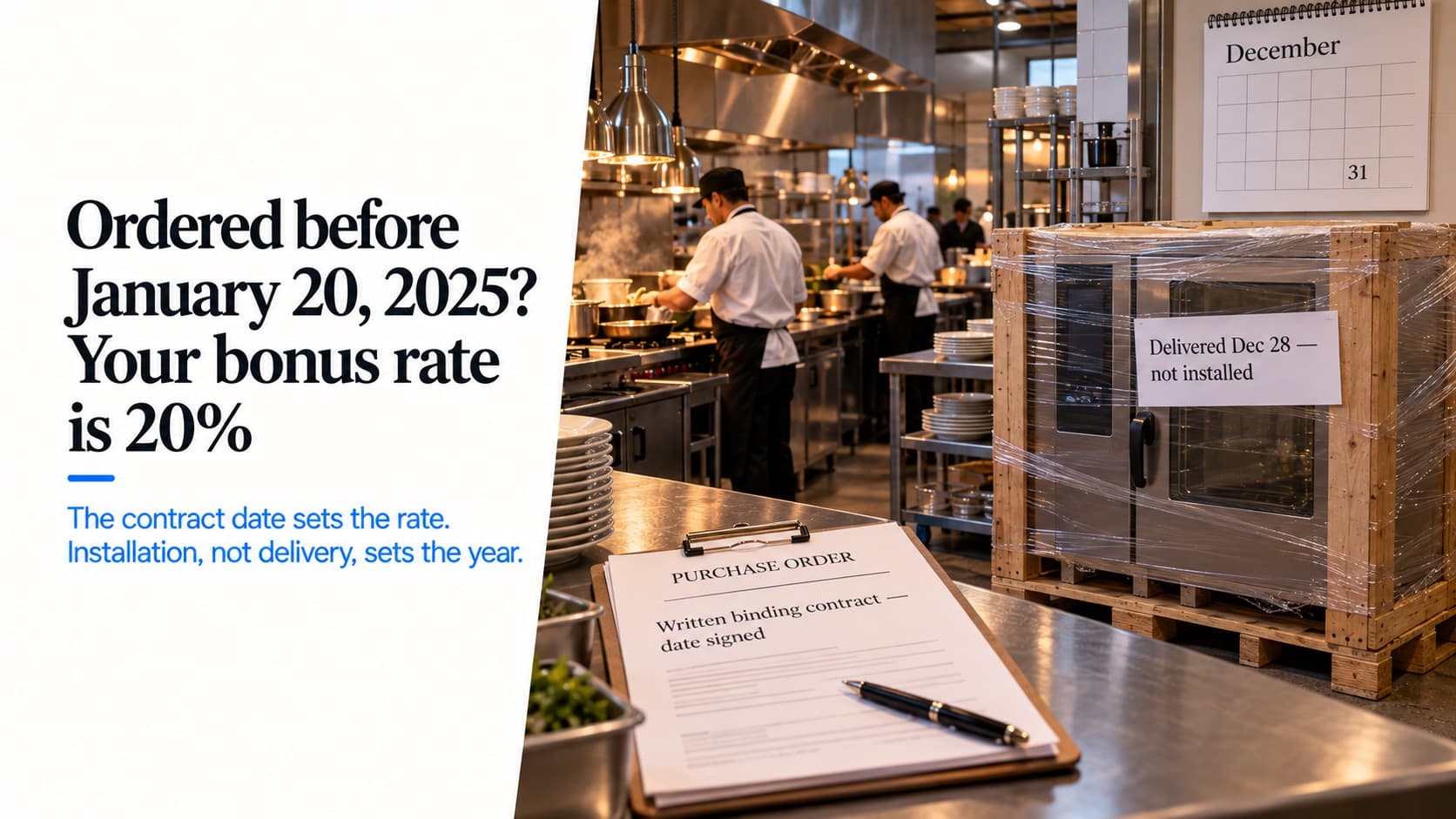
Ordered before January 20, 2025? Your bonus rate is 20%
Delivered but still crated on December 31 is next year's deduction. Roofs and HVAC take Section 179 but fail the bonus test; California caps 179 at $25,000.
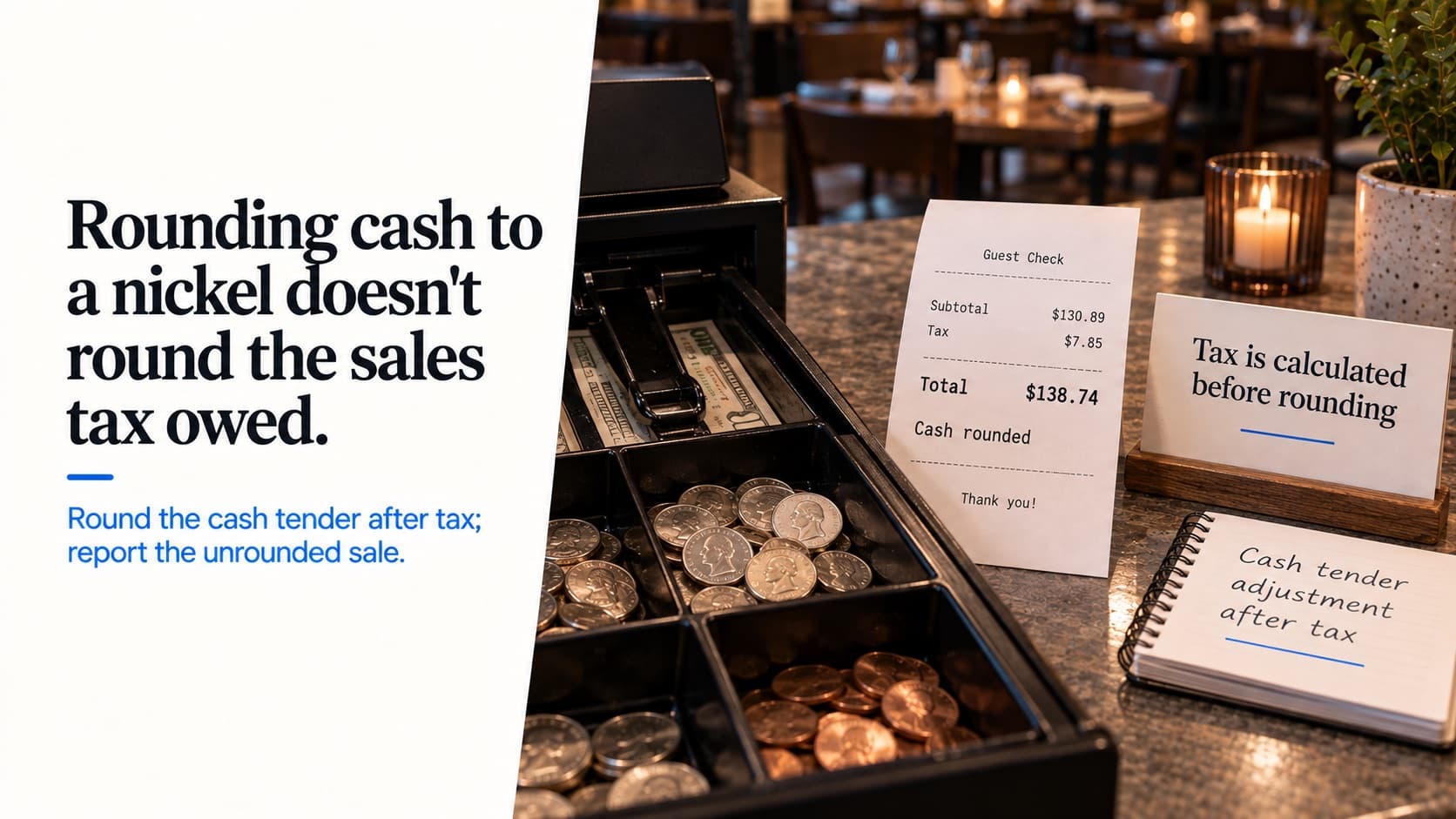
Rounding cash to a nickel doesn't round the sales tax owed
Congress hasn't finished its penny bill. Arizona already requires rounding and a posted sign, and cash-discrimination laws make rounding up risky.
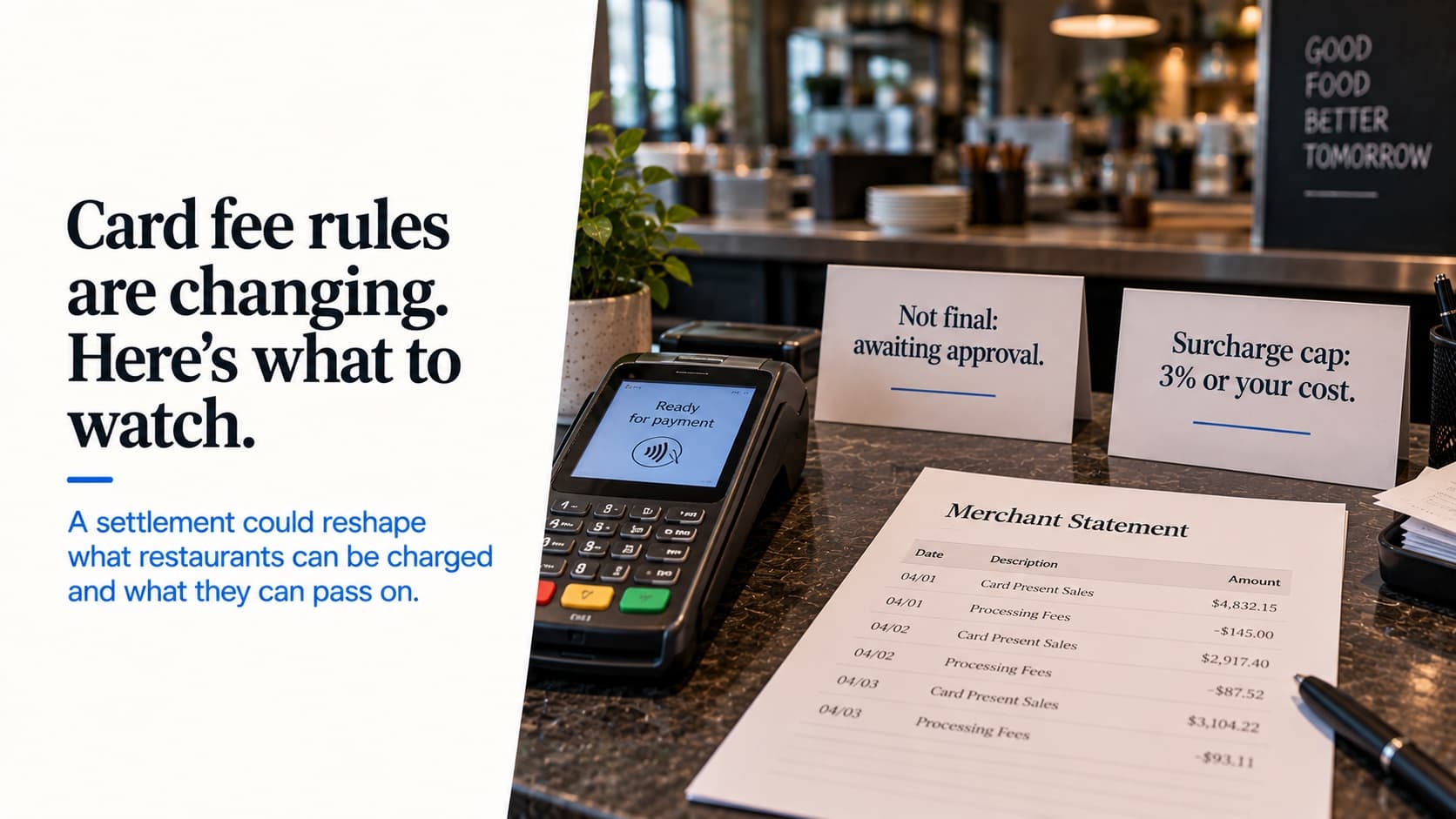
The Visa-Mastercard deal would let you refuse premium cards
It isn't final: preliminary approval came June 9, and there's no opt-out. The surcharge cap becomes 3% or your cost, and state bans still apply.
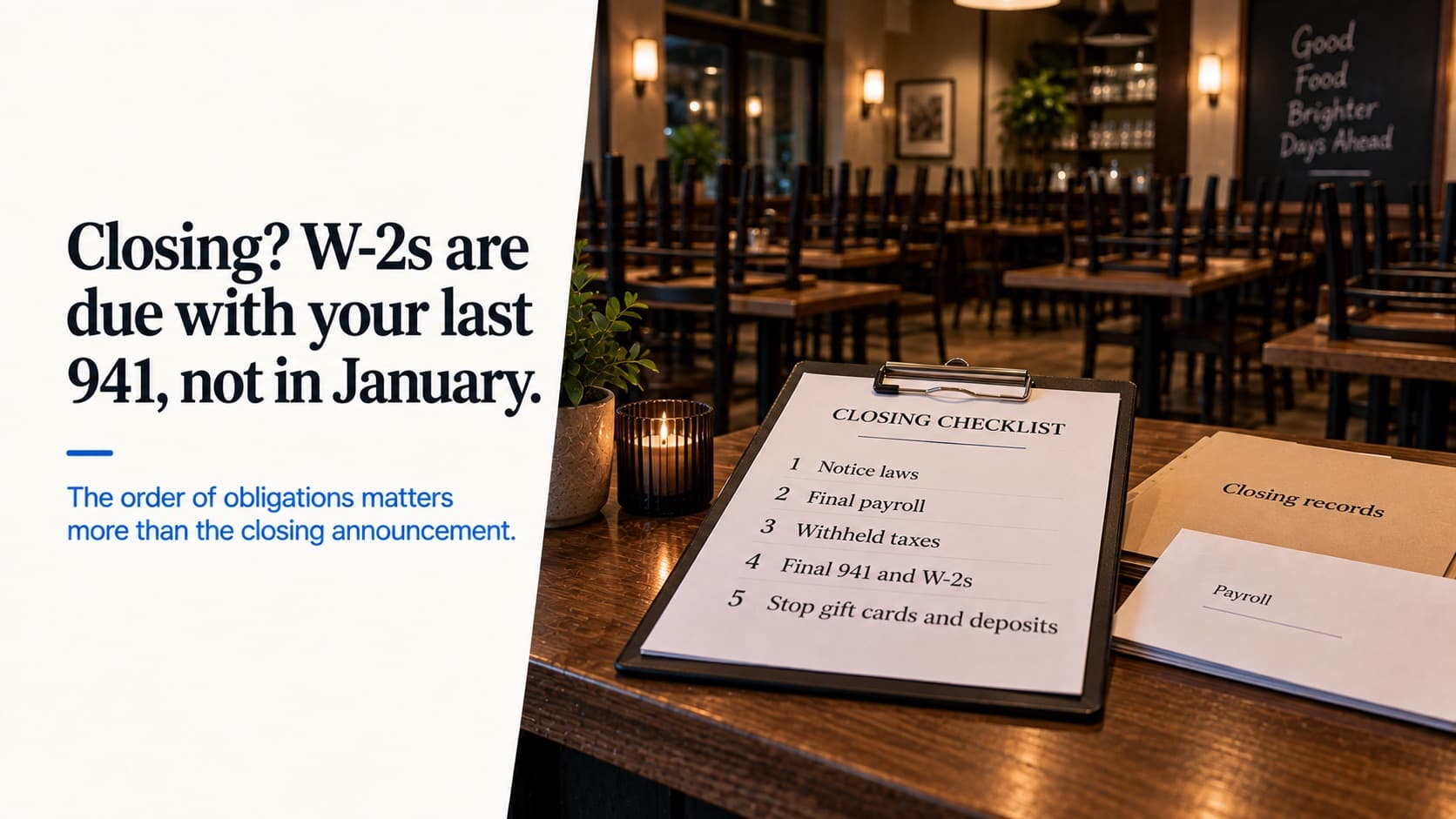
Closing? W-2s are due with your last 941, not in January
New York's closing-notice law starts at 50 employees, not 100, and New Jersey adds a week of severance per year of service even with full notice.
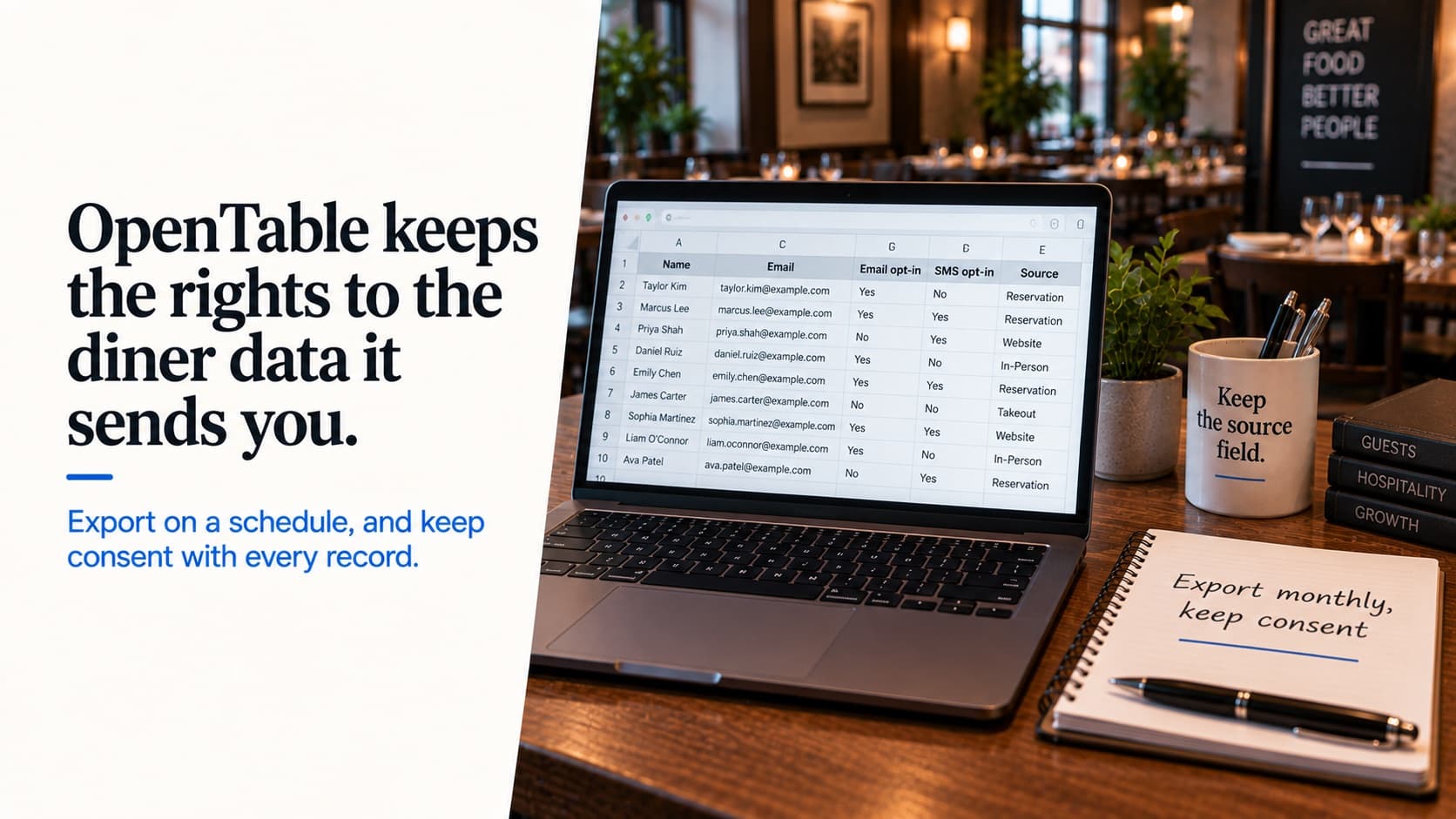
OpenTable keeps the rights to the diner data it sends you
Exports close 30 days after you leave. An exported phone number isn't permission to text, and a court struck down NYC's delivery-data law.
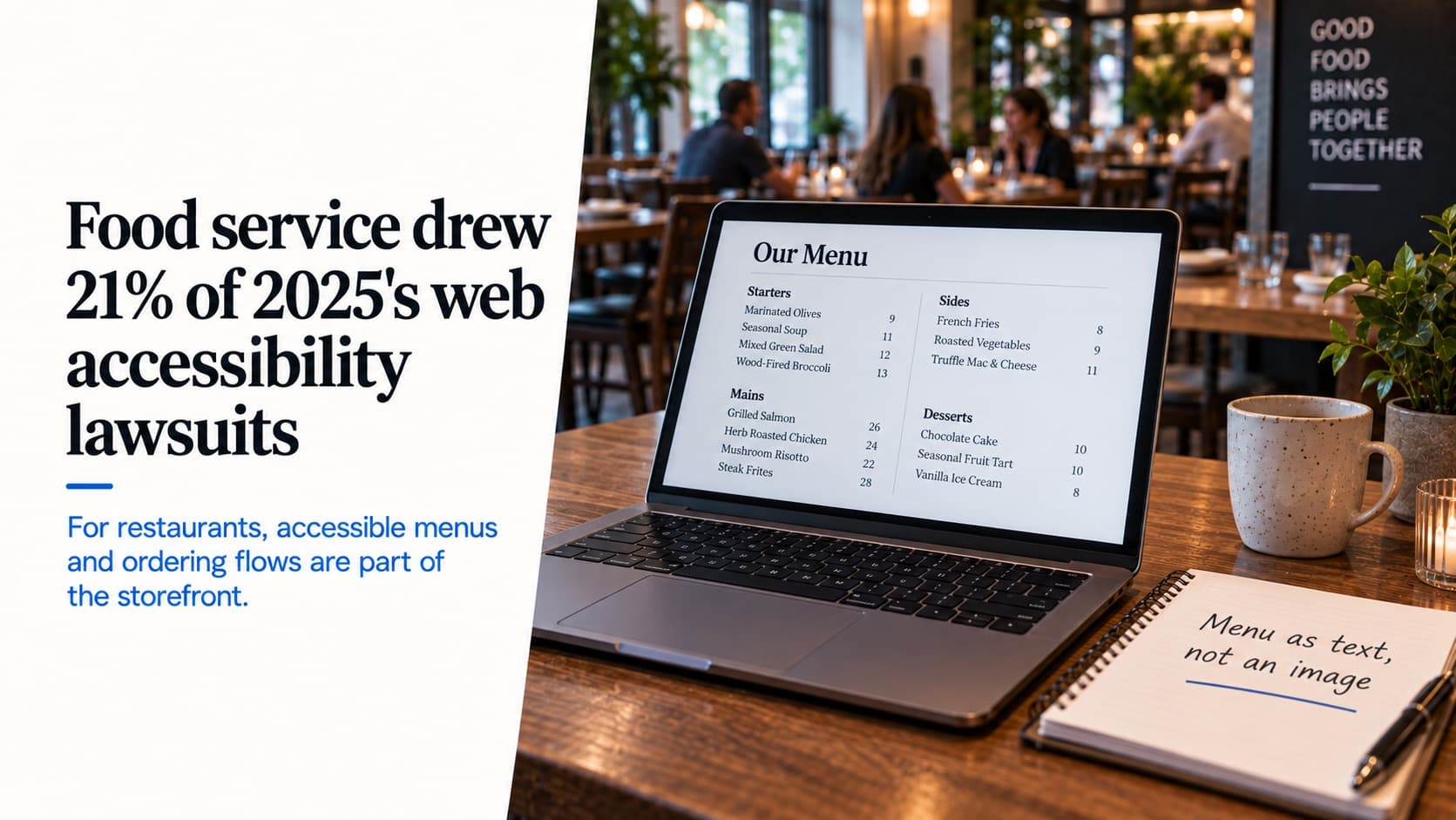
Food service drew 21% of 2025's web accessibility lawsuits
An overlay widget didn't prevent about 1,400 of them, and the FTC fined accessiBe $1 million. A restaurant can't use the online-only defense.
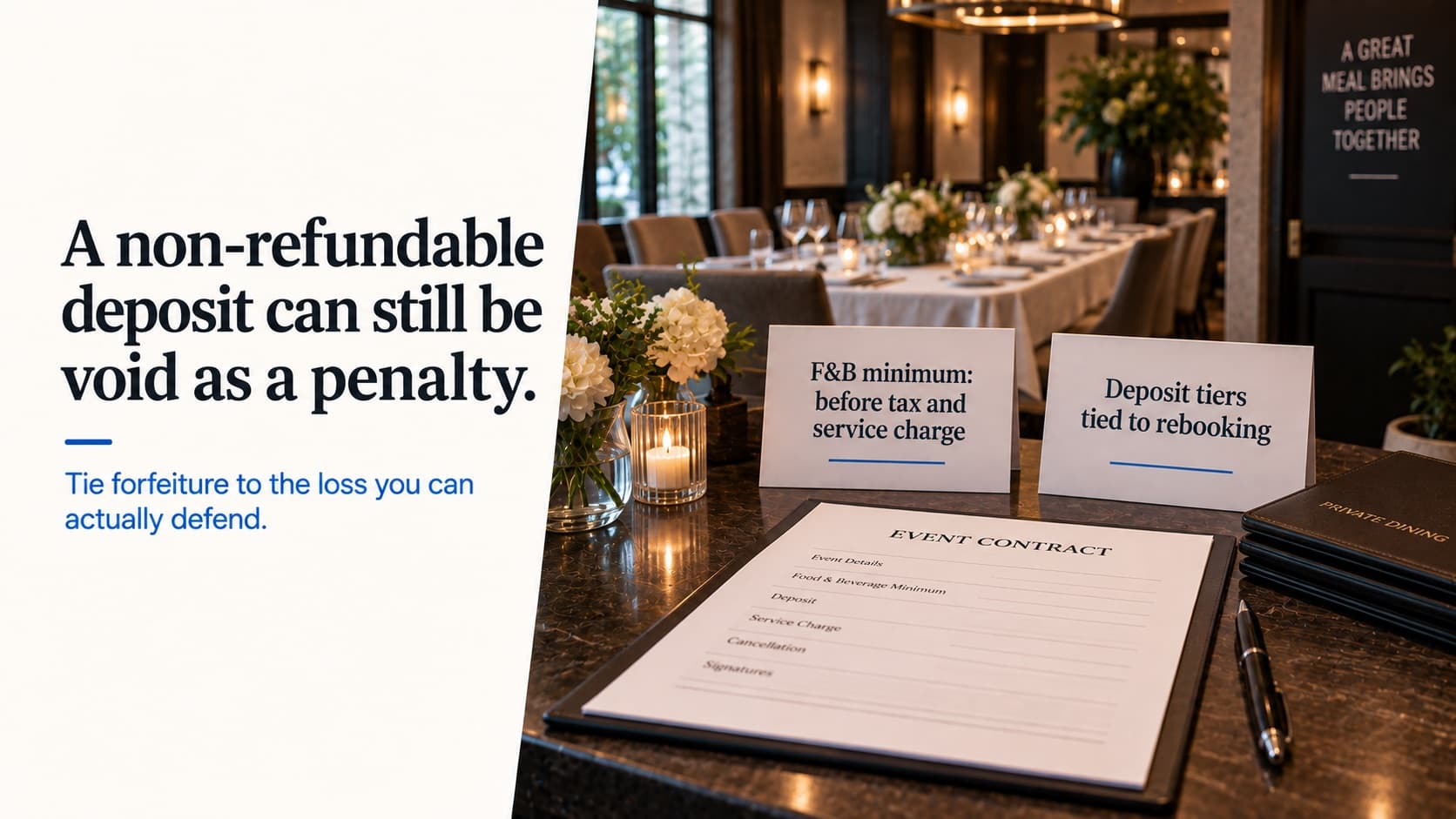
A non-refundable deposit can still be void as a penalty
California judges a birthday dinner's deposit more strictly than a corporate booking's, and taxes a mandatory event service charge even if staff get all of it.
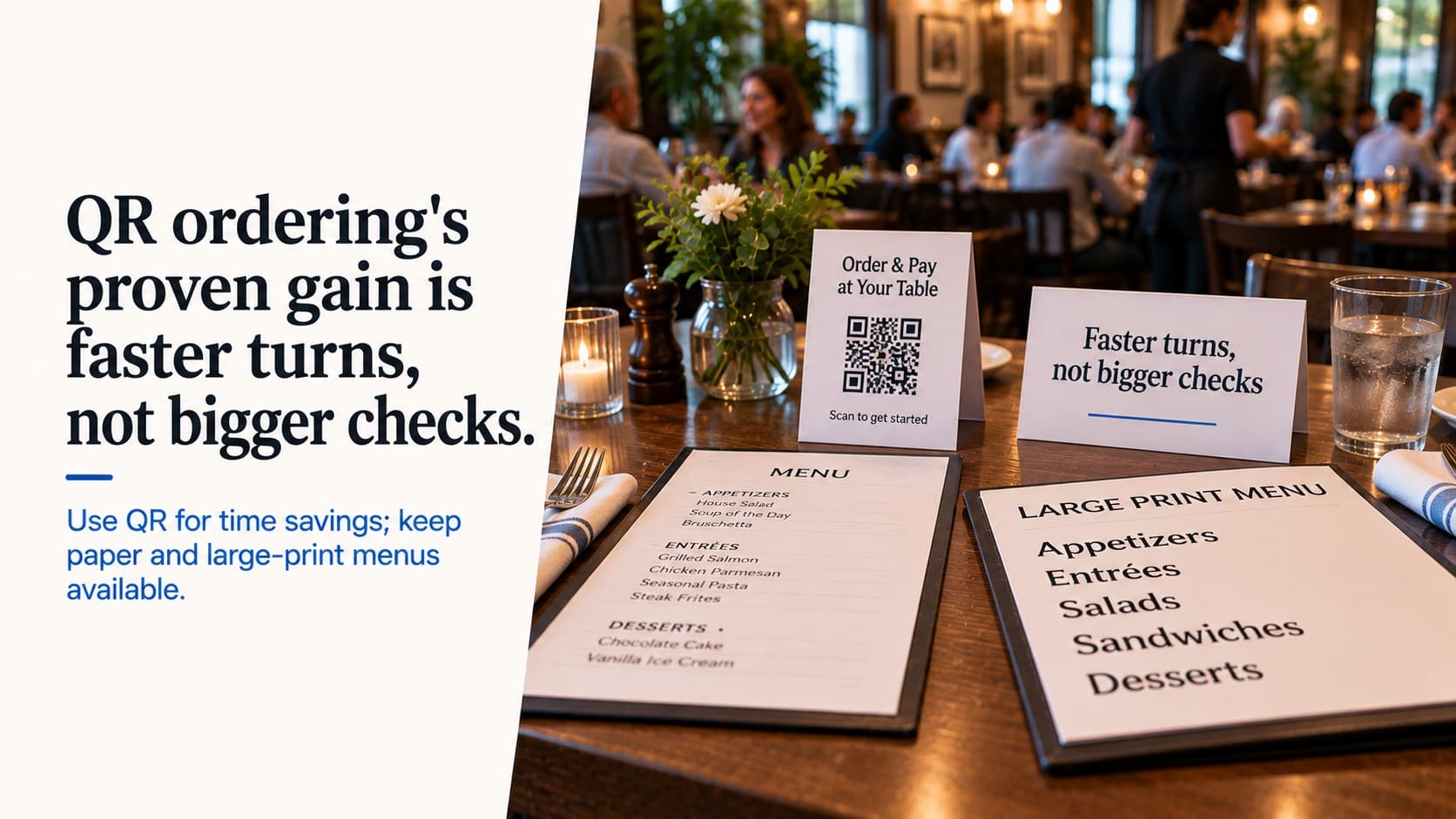
QR ordering's proven gain is faster turns, not bigger checks
65% of diners have used QR menus, yet 58% want paper back. Only 16% of Boomers would pay by QR code, and the ADA still requires an alternative.
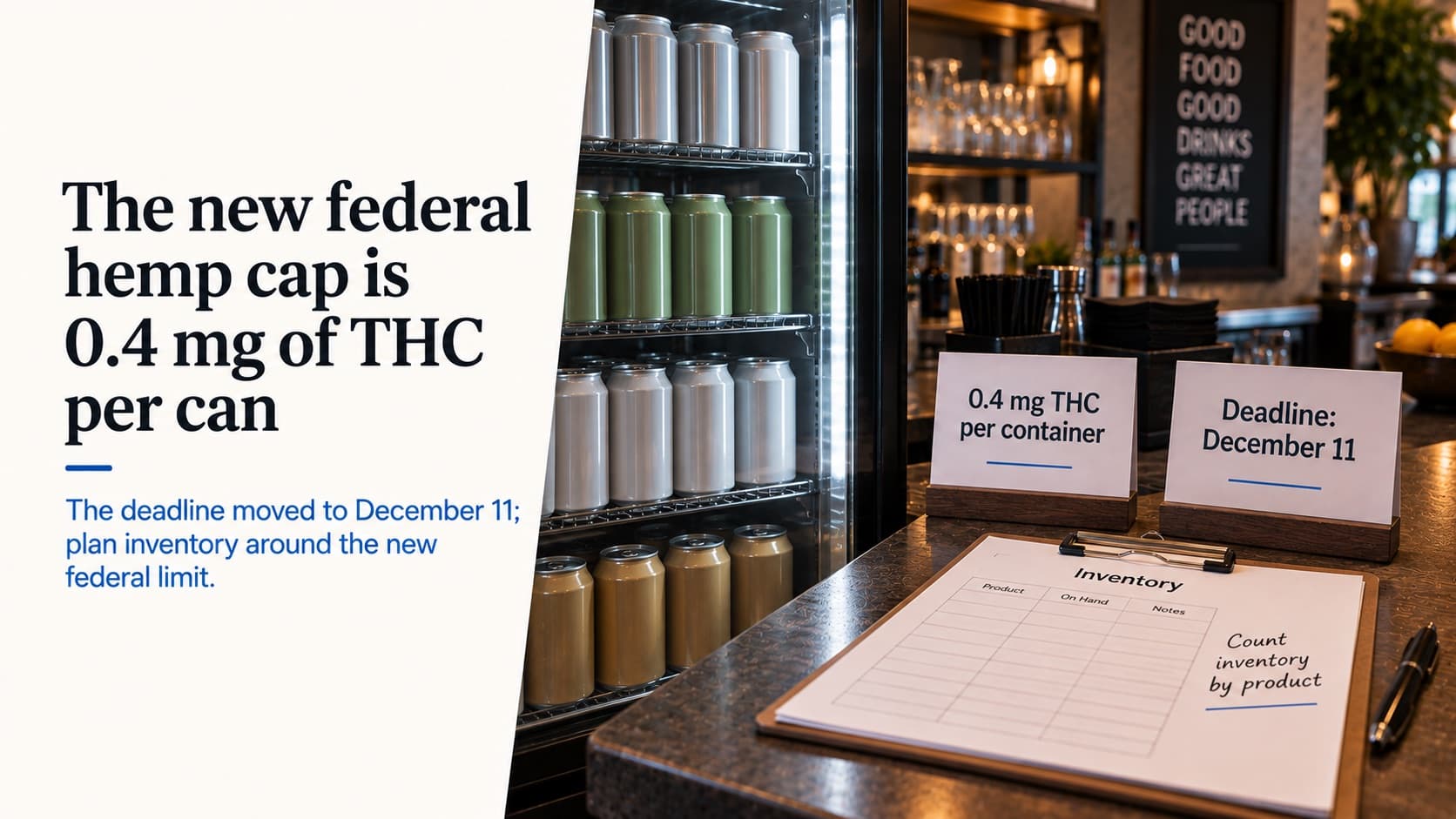
The new federal hemp cap is 0.4 mg of THC per can
The deadline moved to December 11, and synthetic cannabinoids lose hemp status November 12. A state hemp licence does not protect a bar from federal law.
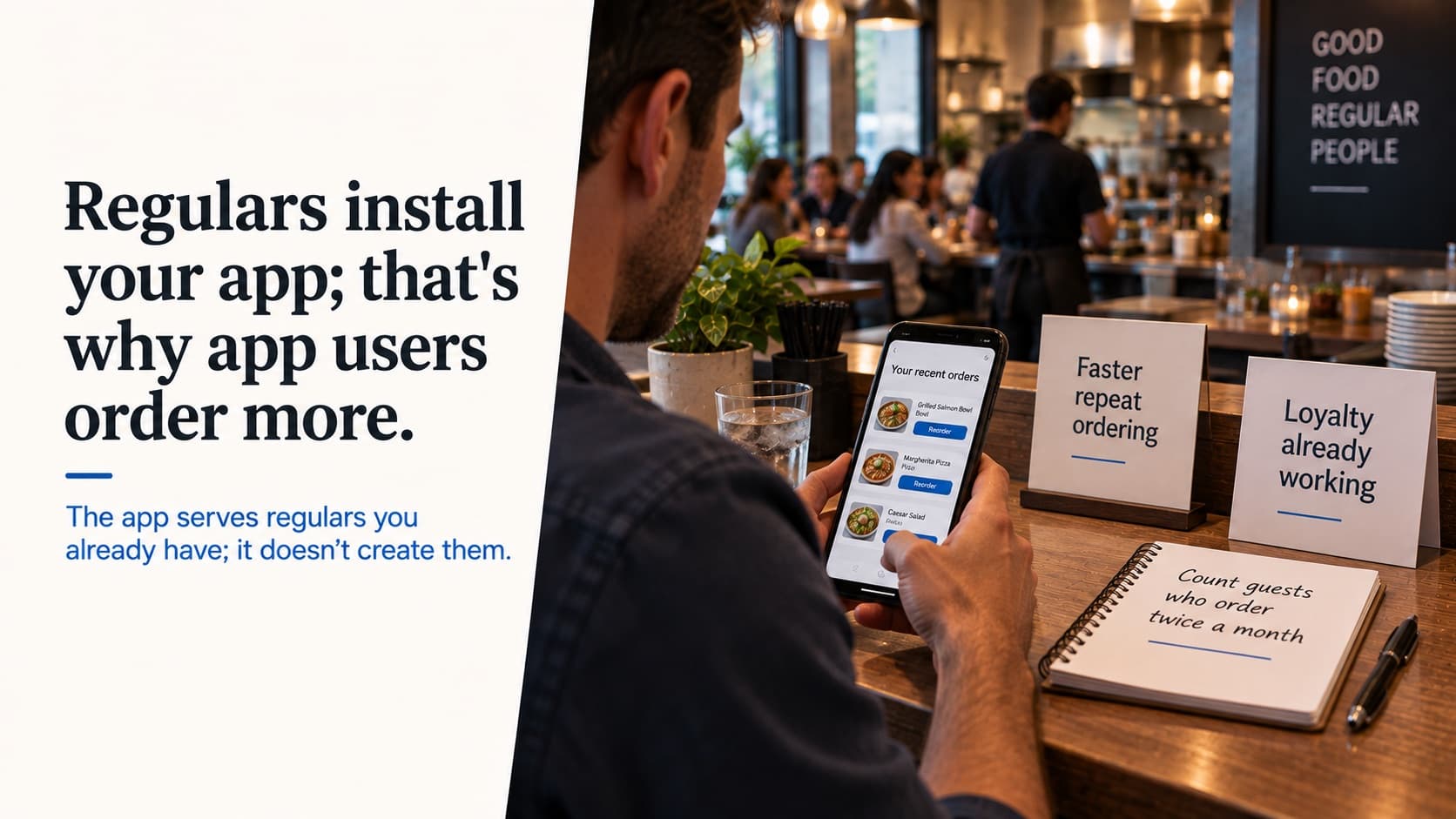
Regulars install your app; that's why app users order more
Even Starbucks takes only 33% of US transactions through mobile order. Apple requires your app under your own $99-a-year developer account.
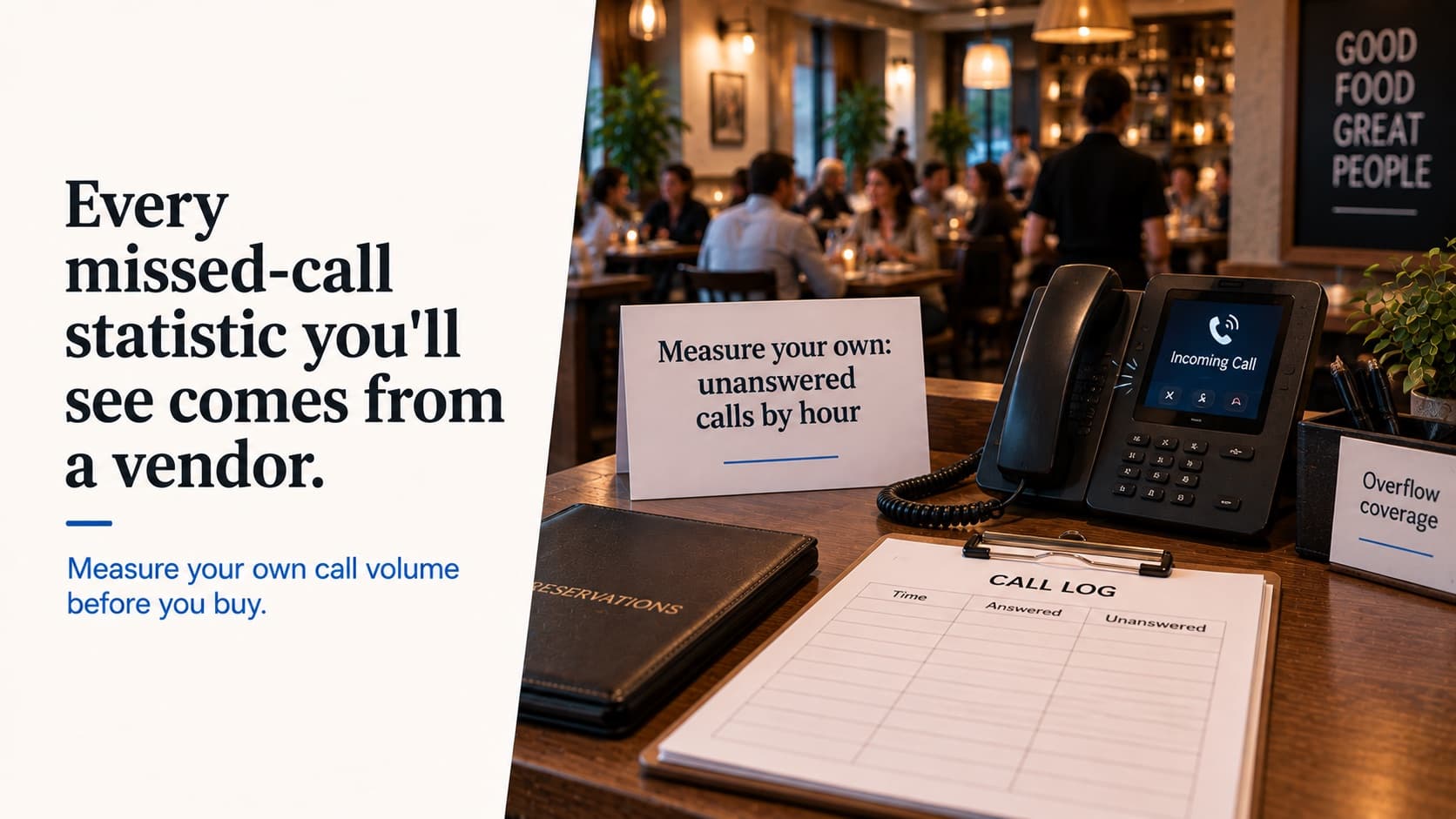
Every missed-call statistic you'll see comes from a vendor
Published prices run from $85 a month to $599 per location, or $1.50 per completed order. A wiretap suit over a Domino's AI phone call survived dismissal.
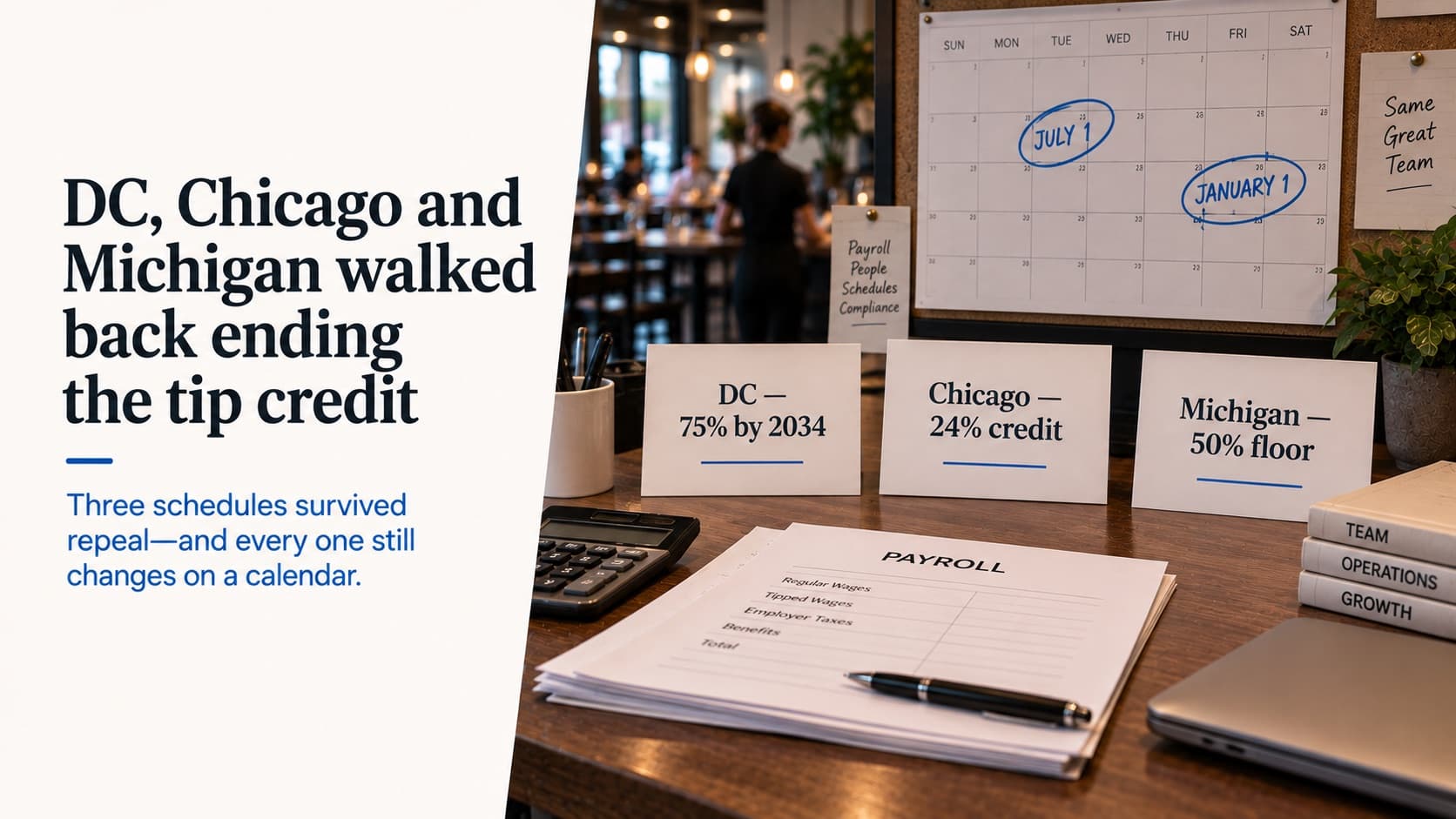
DC, Chicago and Michigan walked back ending the tip credit
DC now caps tipped pay at 75% of the minimum by 2034. Chicago holds a 24% credit until 2028, then ends it in 2030 or 2033 depending on employer size.
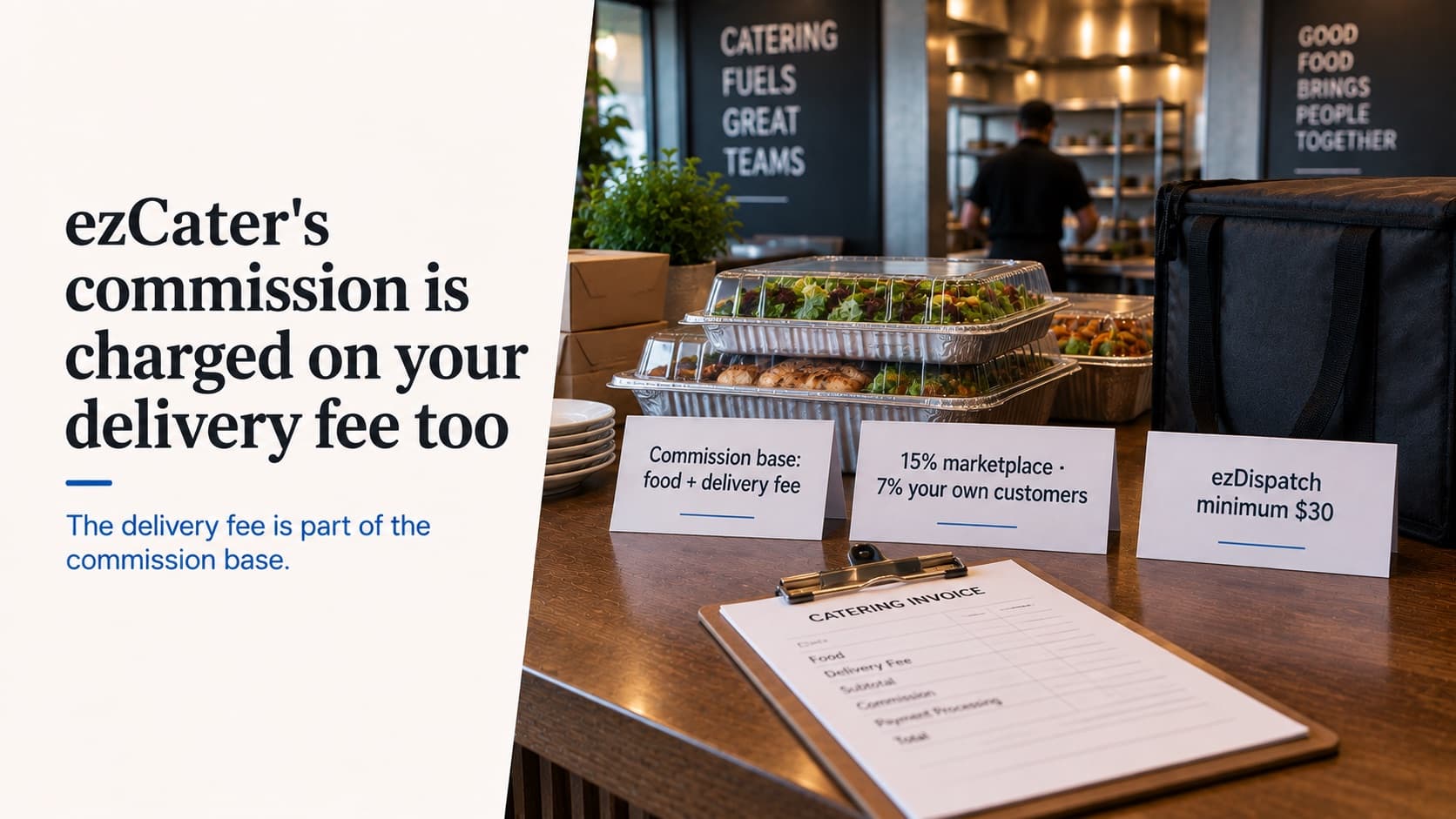
ezCater's commission is charged on your delivery fee too
Marketplace orders pay 15% plus 2.99%; customers you bring in pay 7%. On ezCater's $420 average order, that is roughly $83 versus $46 in fees.
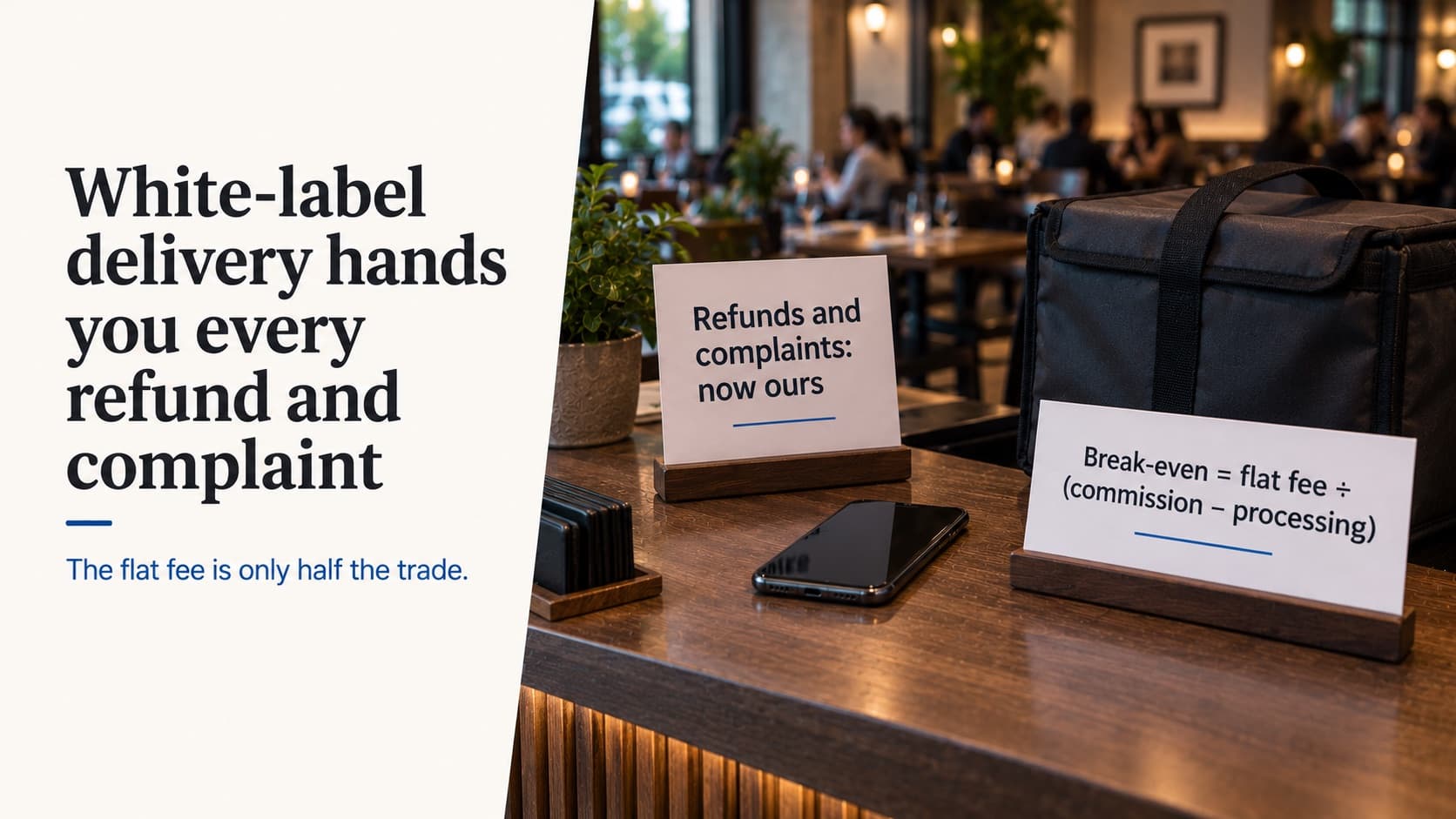
White-label delivery hands you every refund and complaint
DoorDash Drive's $9.75 flat fee beats a 25% marketplace commission only on orders above $44 once card processing is counted. Against the 15% tier, above $81.
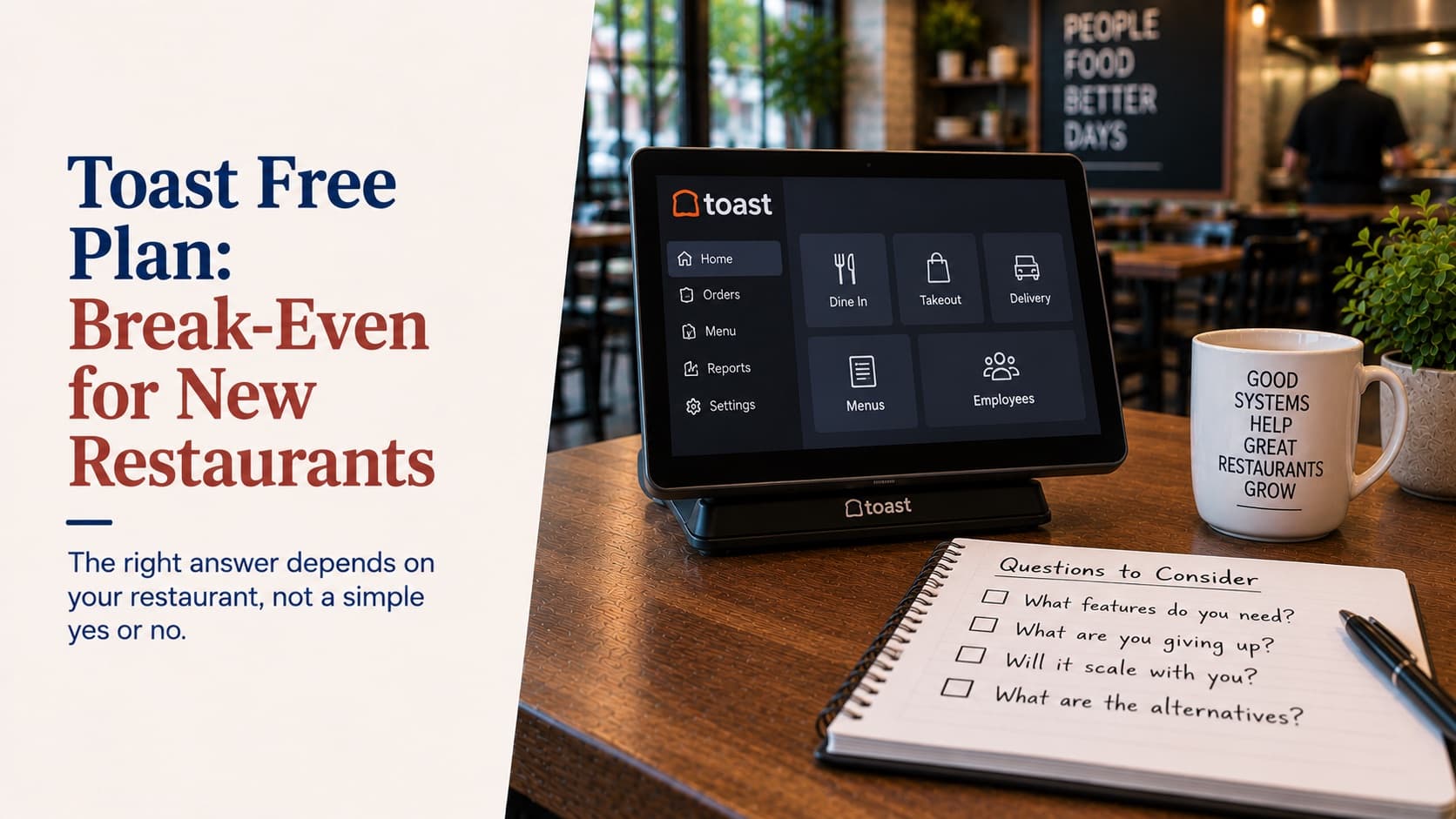
Toast's $0 plan costs more past $11,500 a month in card sales
Toast's Starter Kit hardware is owned, not leased; the 36-month-lease claim is stale. What Square, Clover and Katalyst charge the same new restaurant instead.
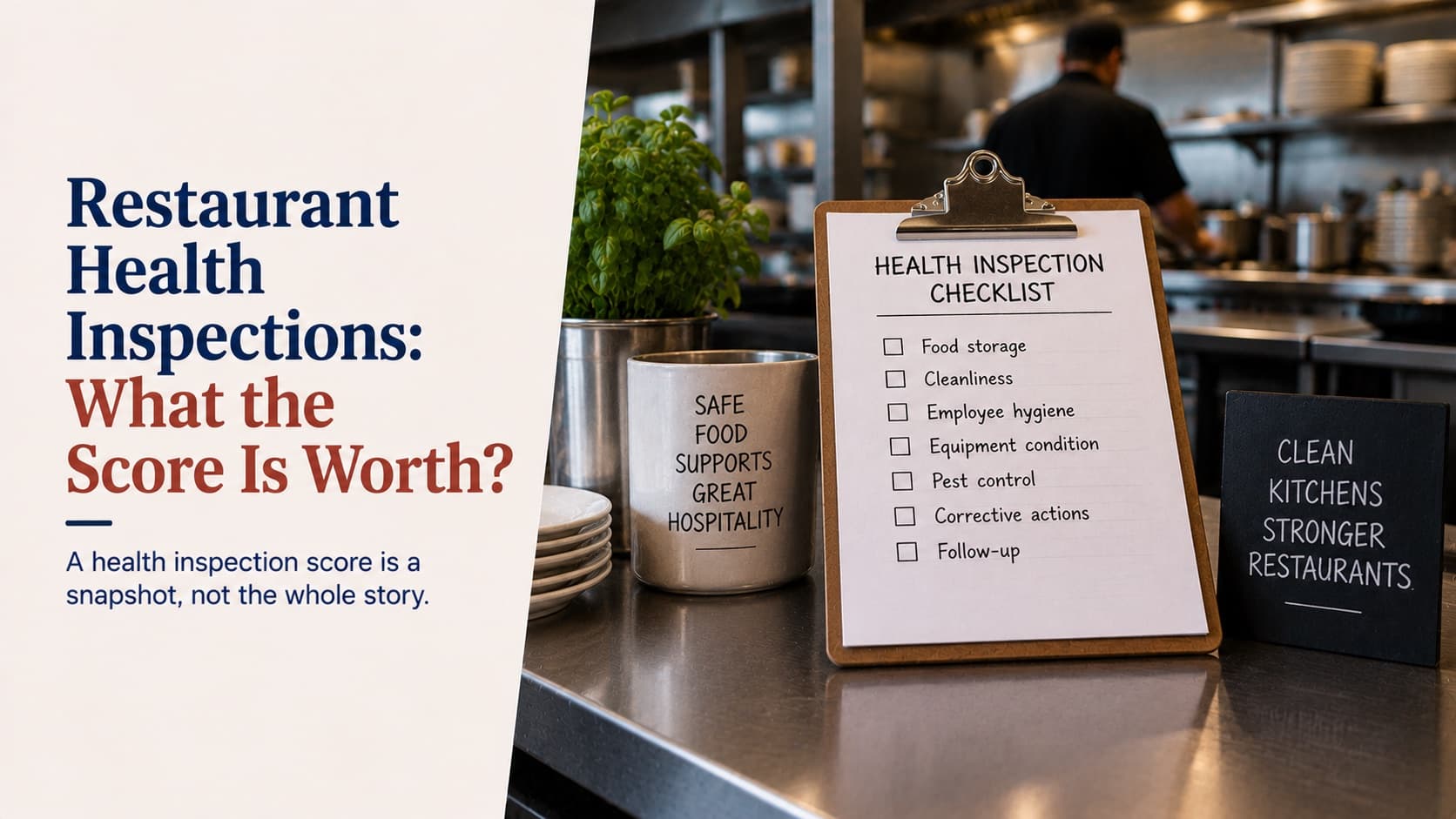
An A instead of a B is worth about 5% of revenue
The FDA found handwashing non-compliance in 73% of full-service restaurants, and improper cold holding appears in roughly 40% of inspections nationally.
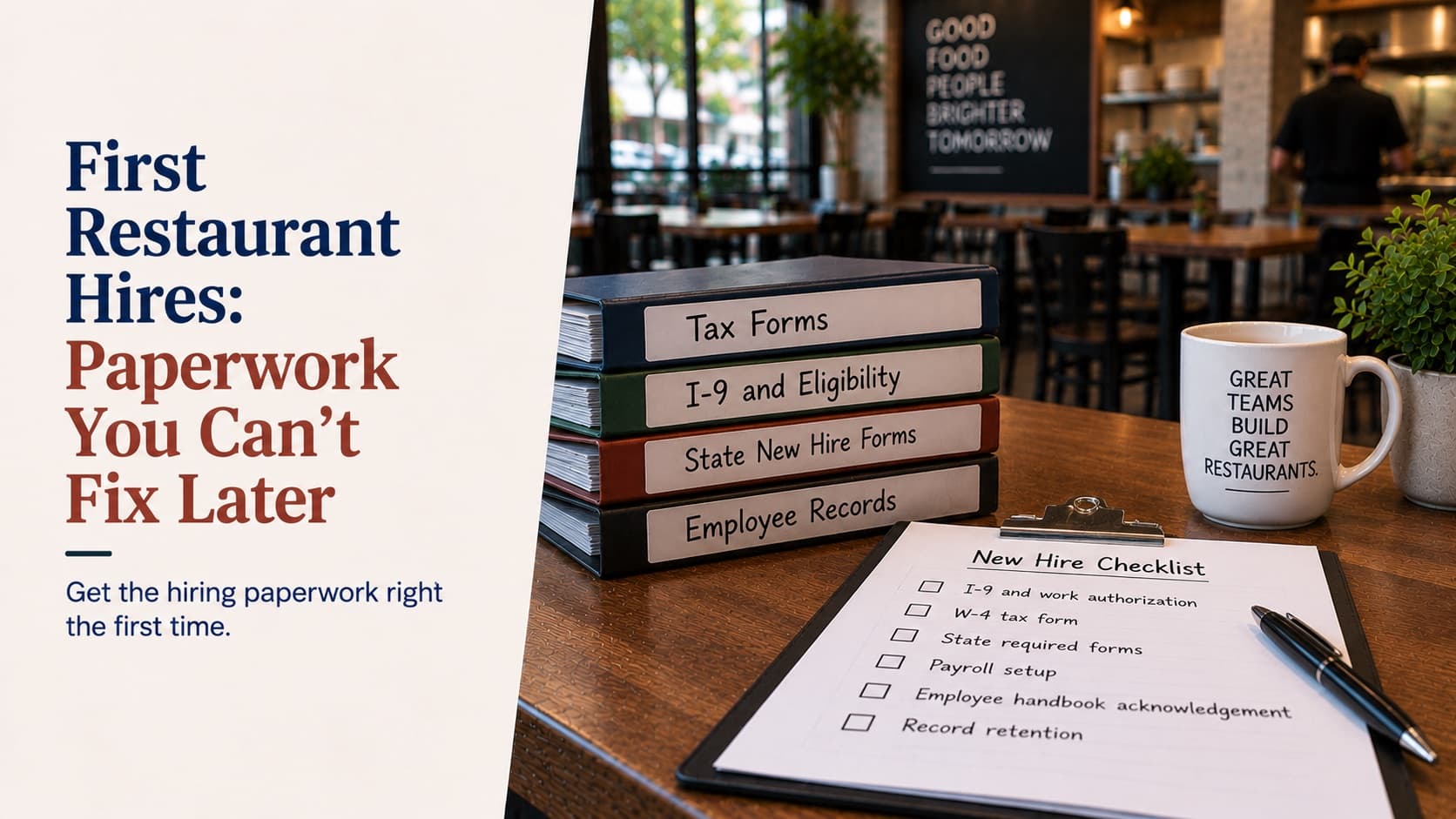
Nobody under 18 may clean the slicer, not just run it
Late I-9 Section 1 or Section 2 became a substantive violation in March 2026, at $288 to $2,861 per form. The correction window is gone.
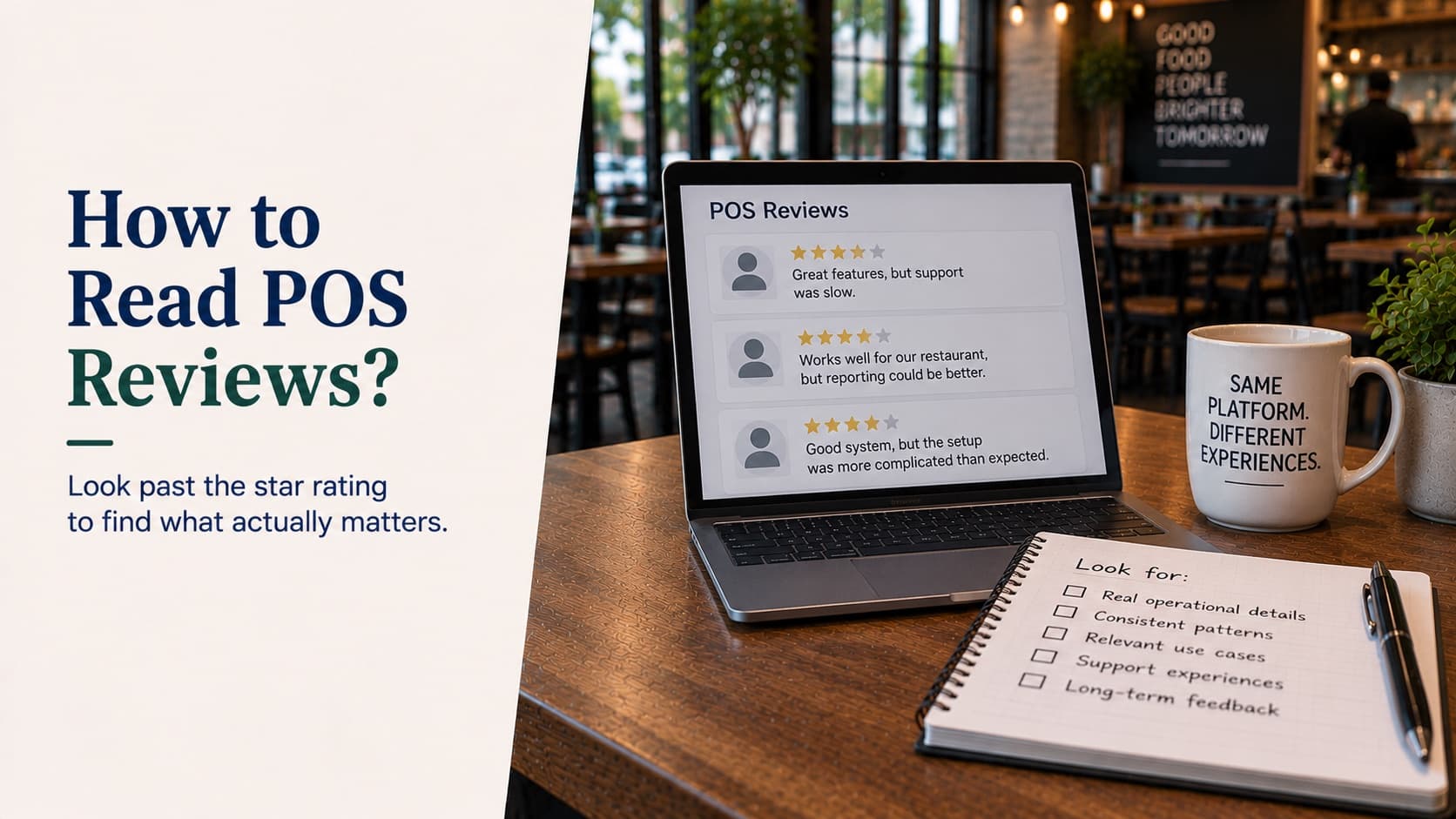
G2 agreed to acquire Capterra, Software Advice and GetApp
Vendors pay $3,000 to $95,000 a year for placement, Capterra's default sort is Sponsored, and review incentives run to $25 on one site and $100 on the other.
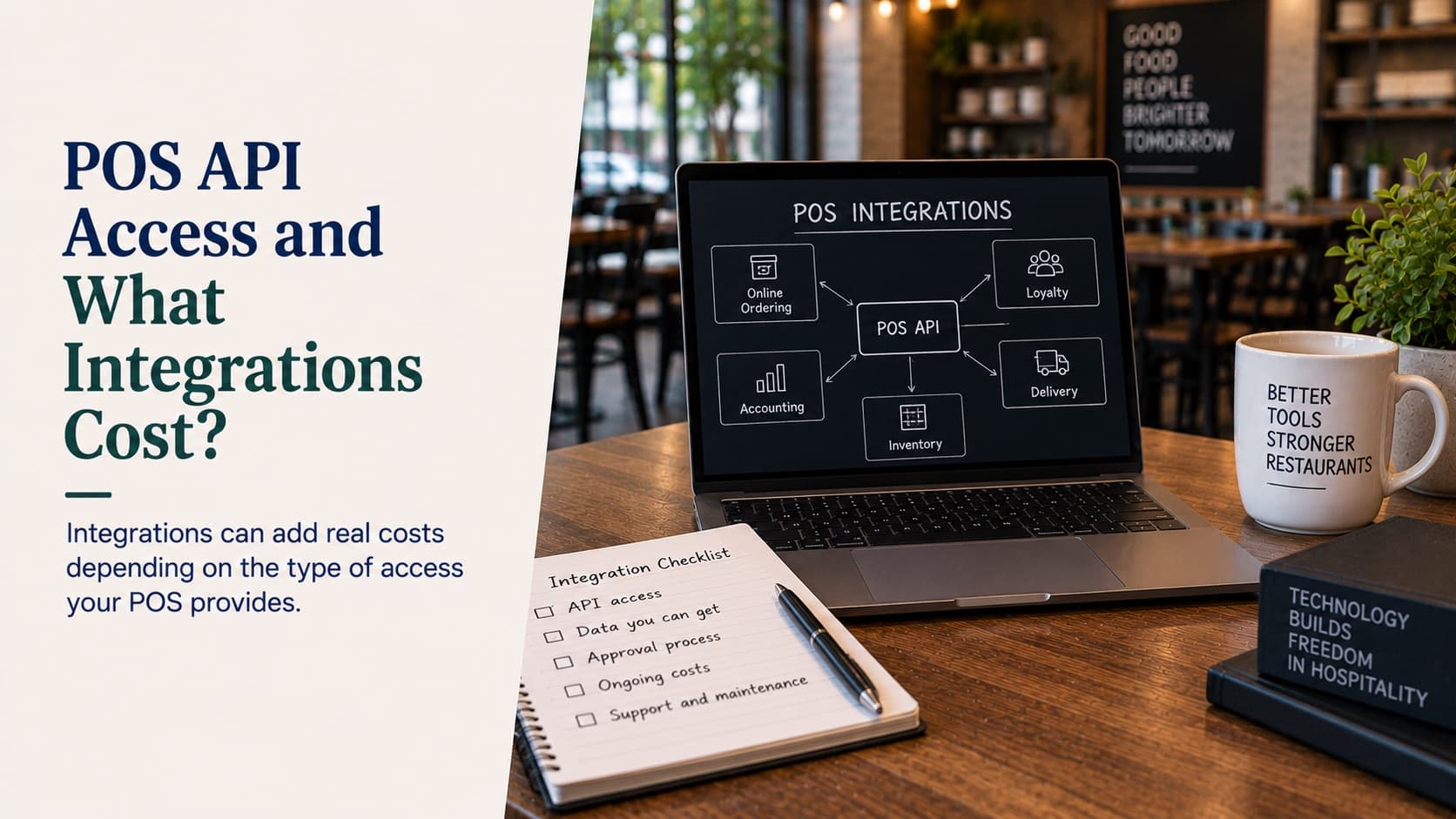
Toast's partner API fees aren't published anywhere
Clover's marketplace keeps 30% of app revenue, so the tool you want is priced to net 70%. Ask which integrations exist today, not whether there's an API.
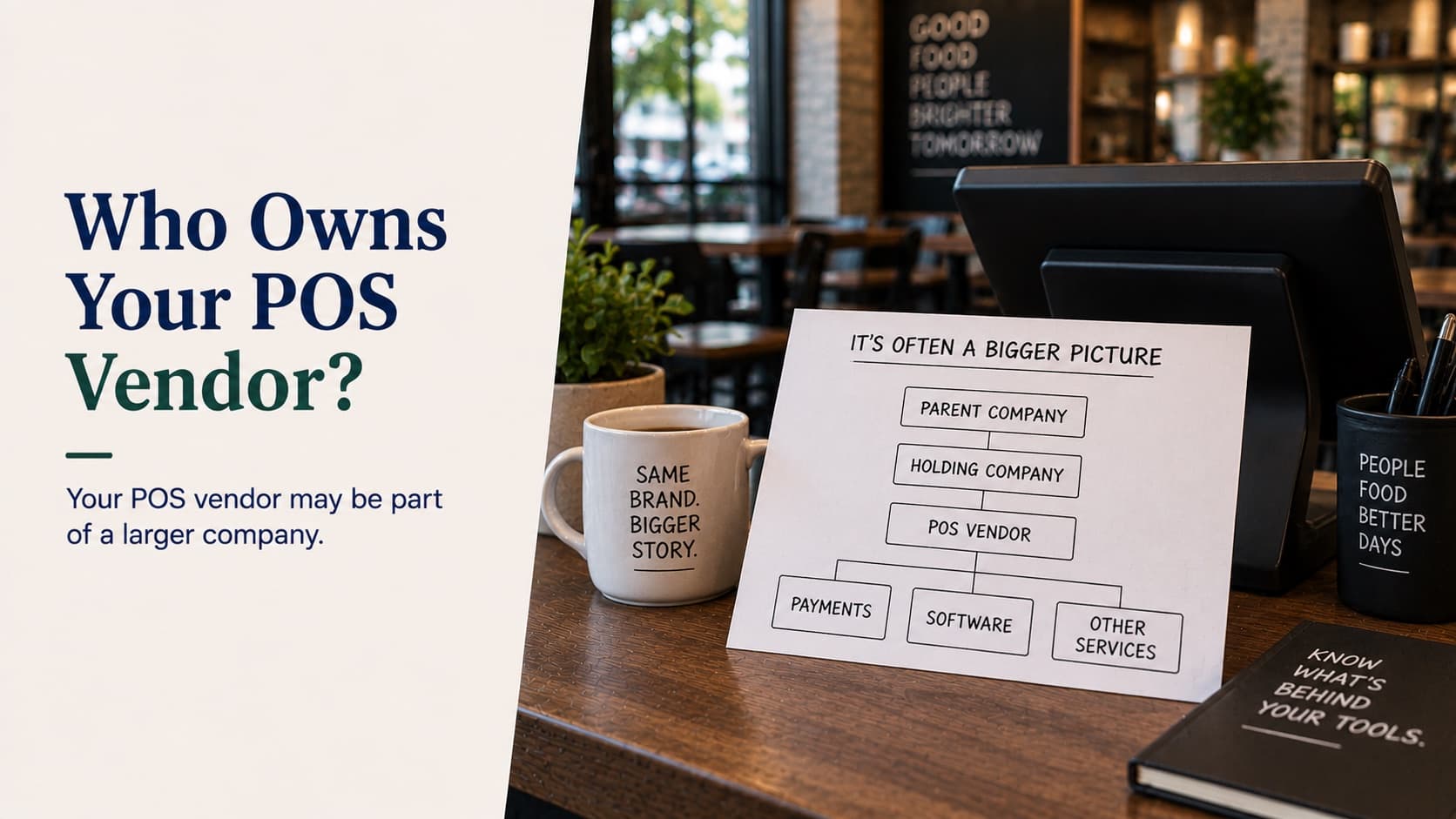
Clover arrived at Fiserv inside a $22 billion payments deal
Most restaurant POS companies are owned by a processor, a database vendor, or a fund with a hold period. That owner sets the roadmap you'll live with.
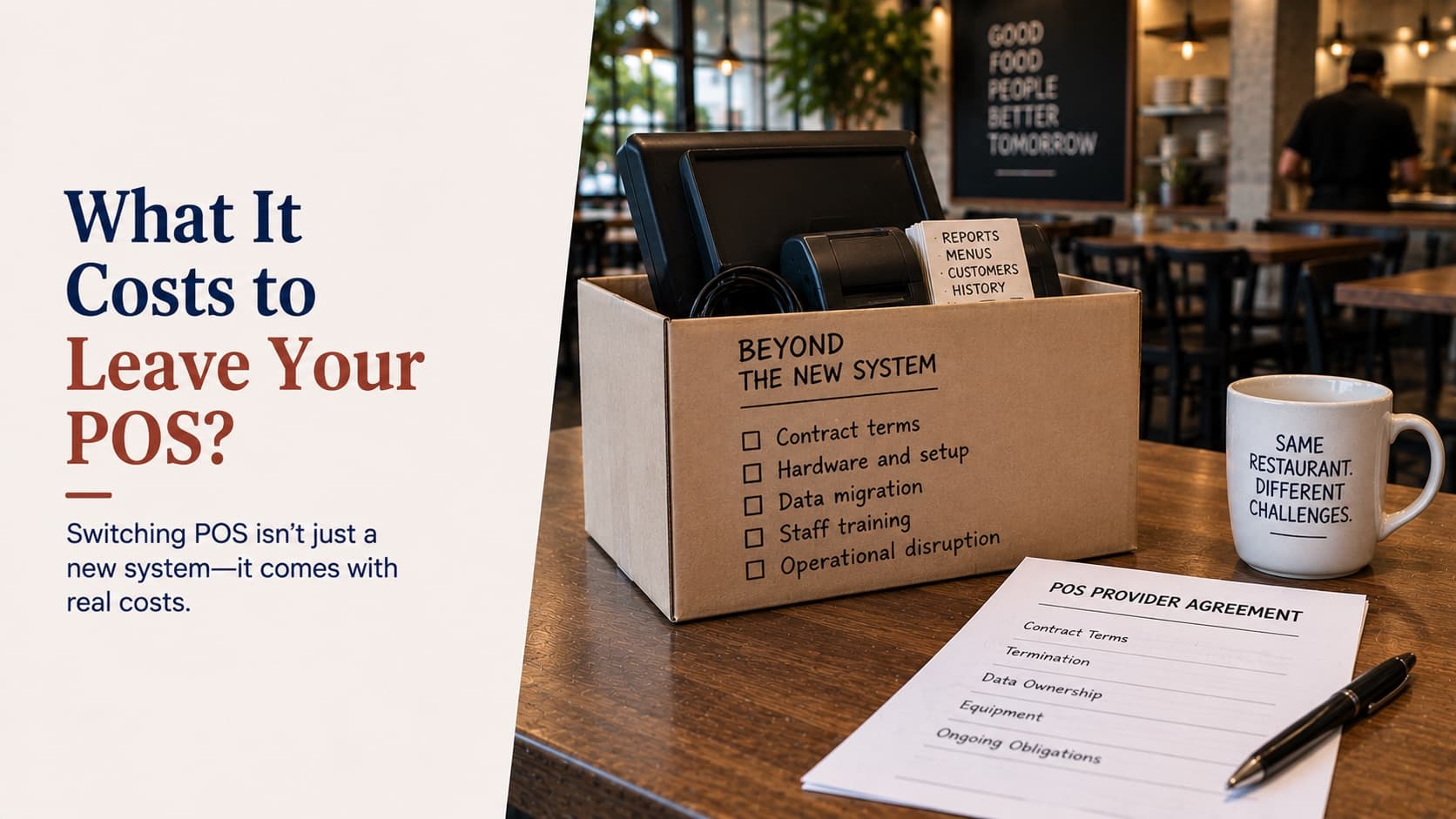
Clover terminals can't be repointed at another processor
Switching means buying hardware again while the old lease runs. The termination fee is the small part — reported ranges disagree by a factor of five anyway.
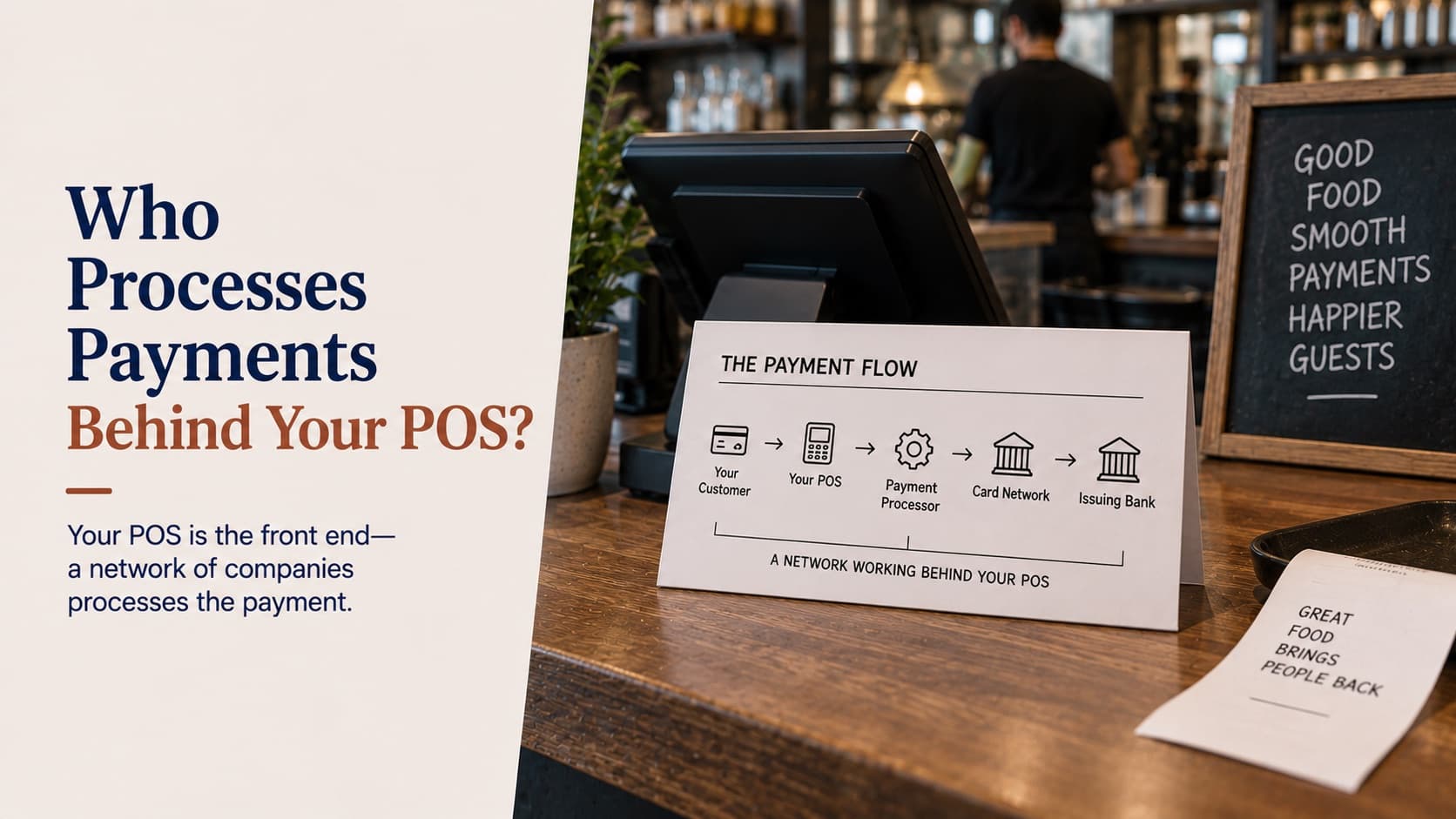
$400 a month: Lightspeed's price for an outside processor
Before comparing rates, find out whether you're allowed to shop them. Toast and Square are payment facilitators; SpotOn and Clover permit outside processors.
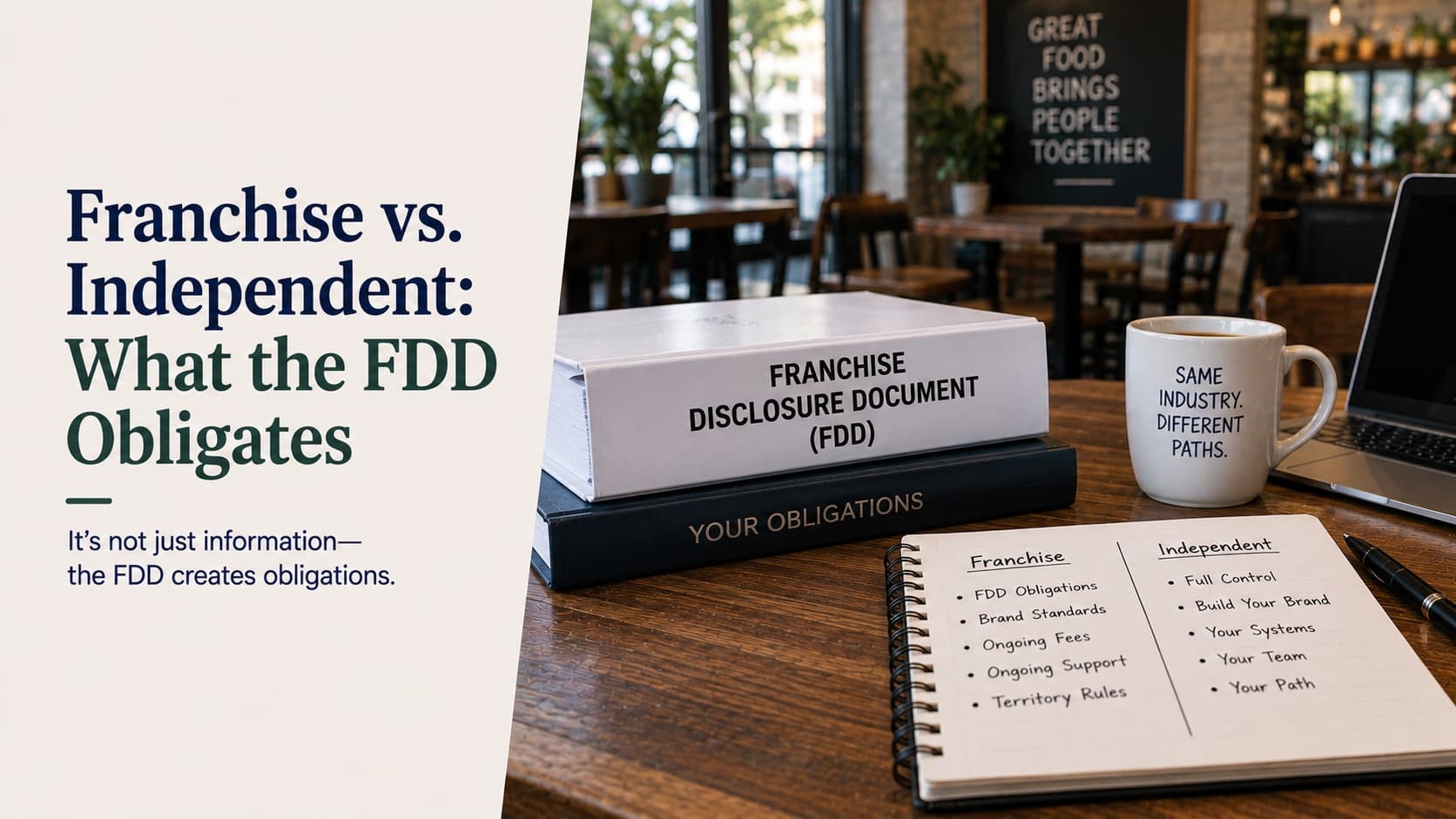
If a broker quotes you earnings, check Item 19 exists
About a third of franchisors publish no earnings data at all. Item 8 can mandate your POS outright, at prices reported 10-30% above the open market.
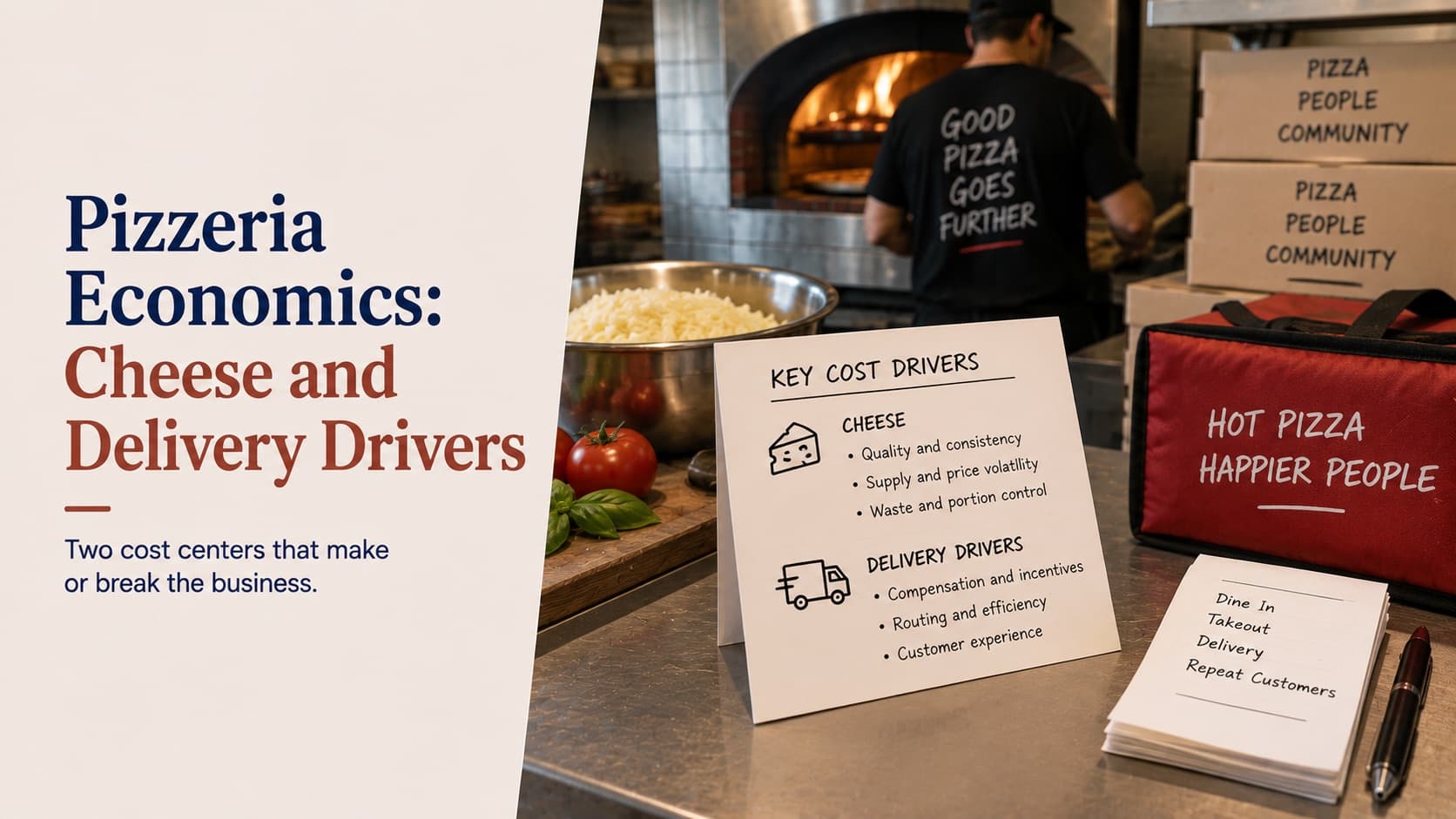
Courts rejected the IRS mileage rate as a driver safe harbor
Cheese trades on the CME and moved 13% in one month. Under-reimbursing your drivers is a minimum wage violation, with class action mechanics attached.
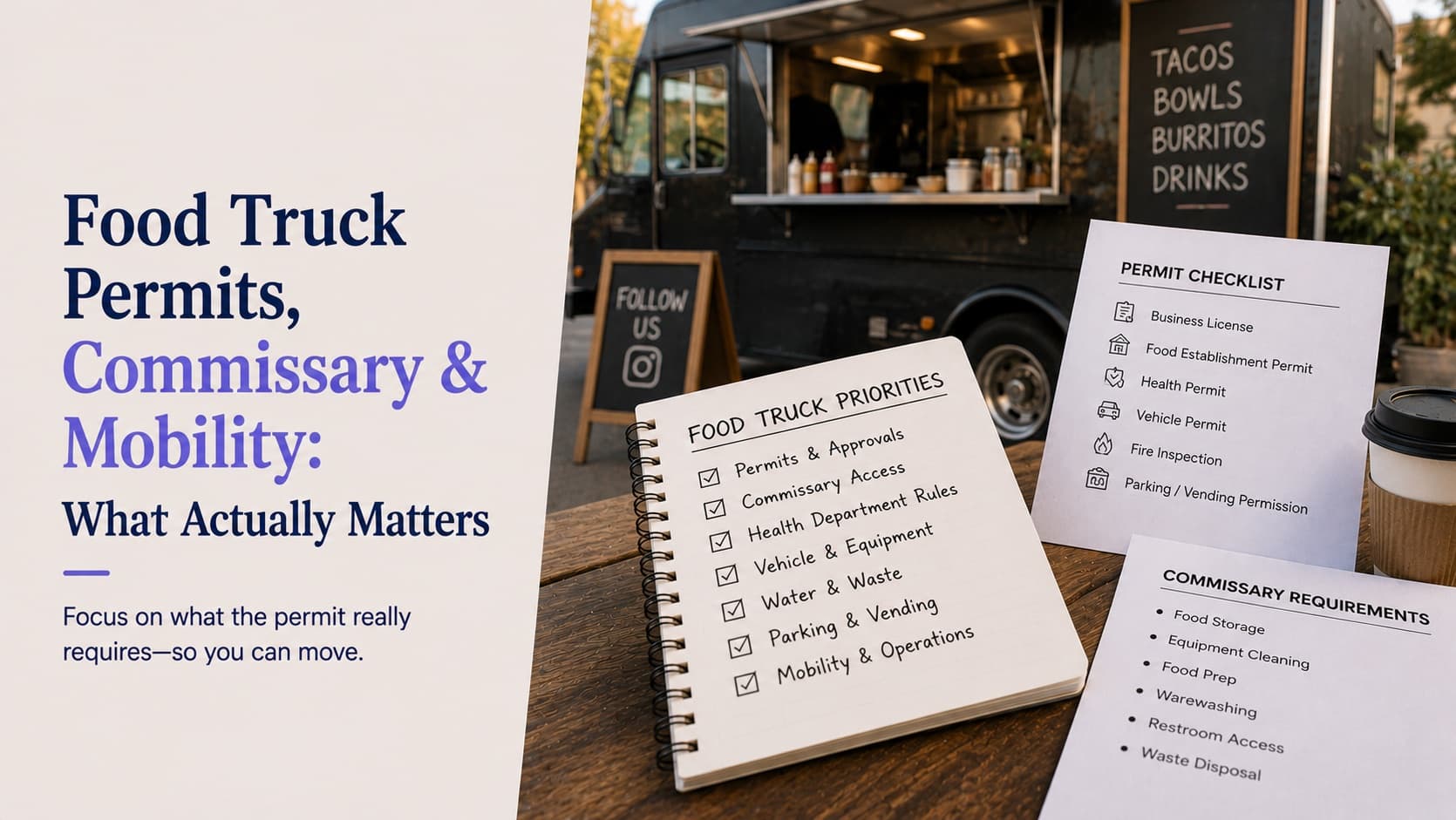
Three cities in one week means three separate plan reviews
Nearly every state requires a signed commissary agreement before the permit issues, and a folding prep table beside the truck can put you outside your license.
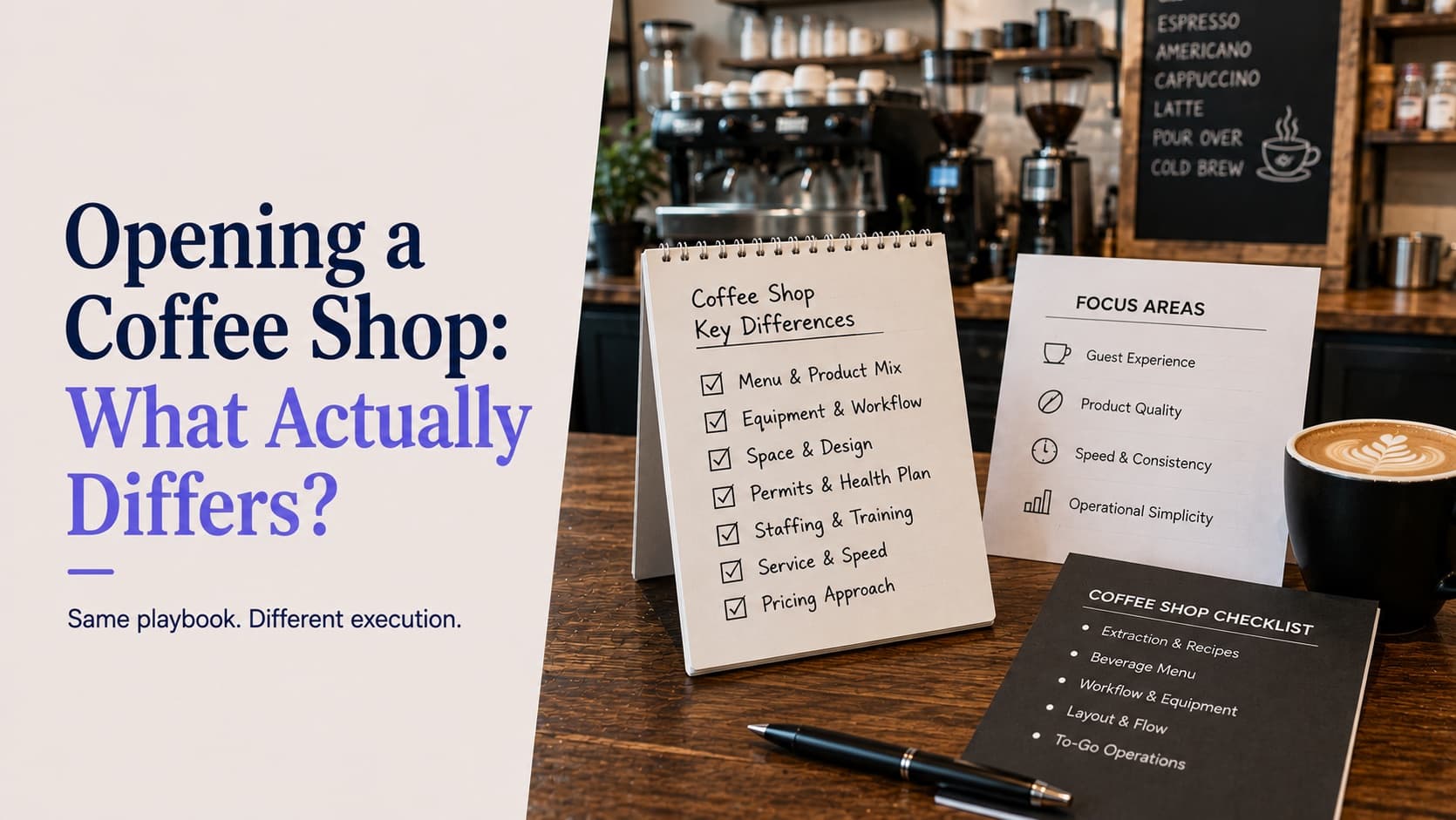
Bad water voids the warranty on your espresso machine
The SCA target is 90-150 ppm TDS, and above 200 ppm scale builds in three to six months. Coffee's real difference is hours to earn rent, not cost per cup.
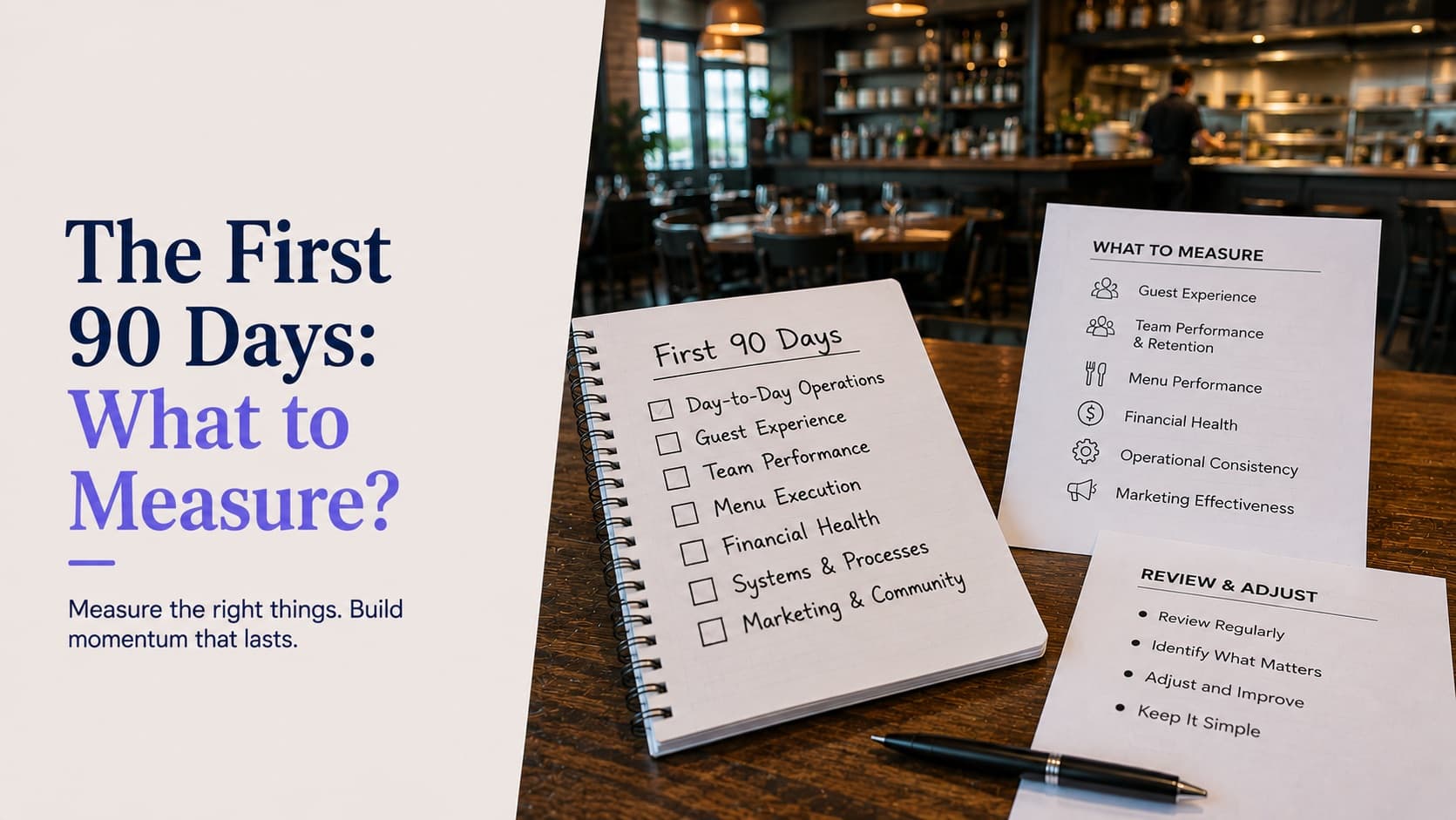
Month two flatters you, because discovery diners order big
With no history, period-over-period metrics are unavailable. Compare servers to each other, tickets to each other, and theoretical cost to actual instead.
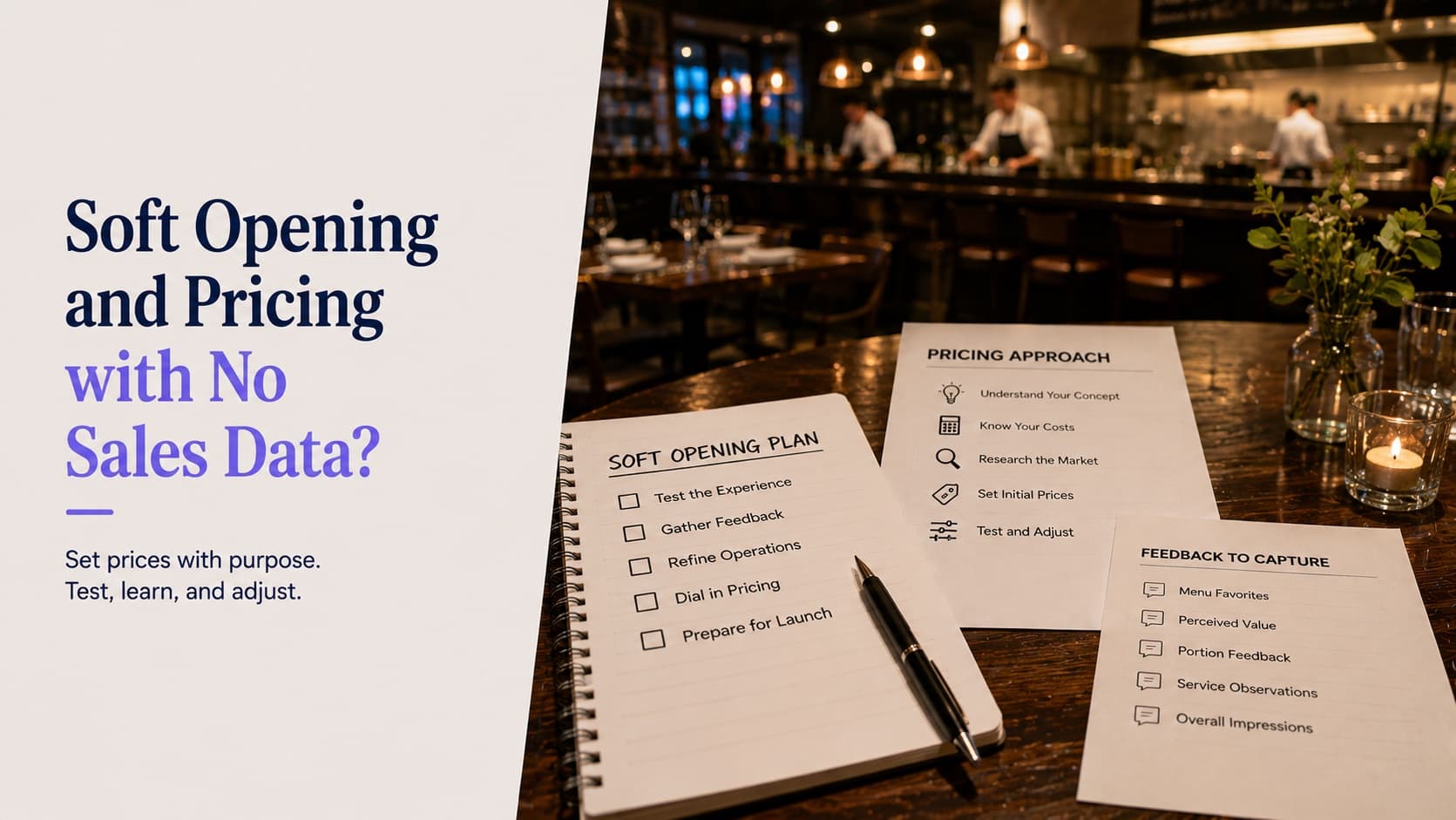
A comped soft opening tells you nothing about your prices
Contribution margin and menu engineering need a sales mix you don't have yet. Measure ticket time as a distribution, and tag the tables that aren't friends.
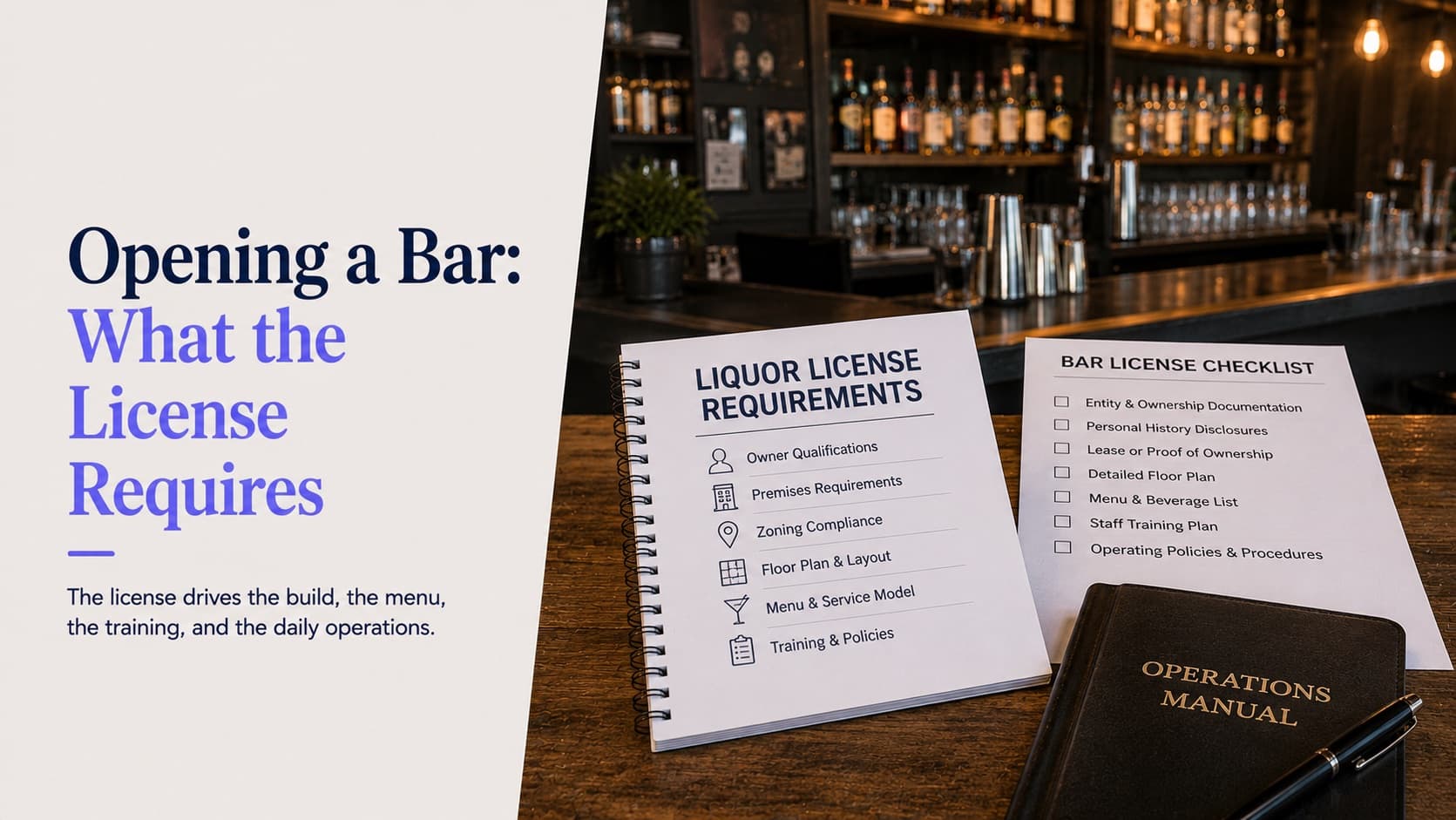
Your liquor license can dictate your seating plan
Food-to-beverage ratios make menu mix a license condition, not a business choice — and Virginia's replaced its flat 45% rule with tiers as of 1 July 2026.
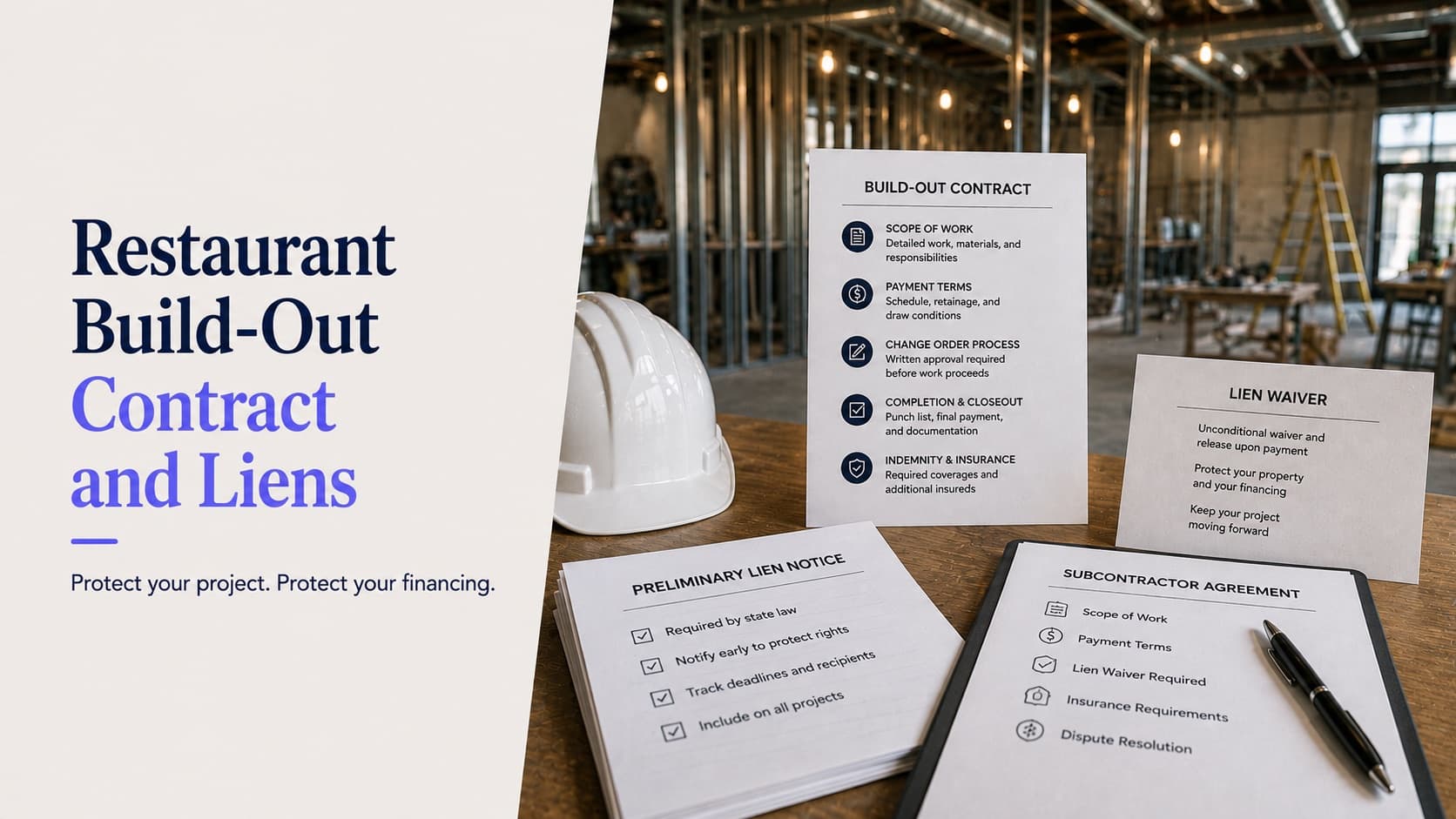
Your contractor's unpaid sub can put you in lease default
Paying the GC in full is no defense: the sub liens the landlord's building, and your lease gives you 10 to 20 days to clear it at your own cost.
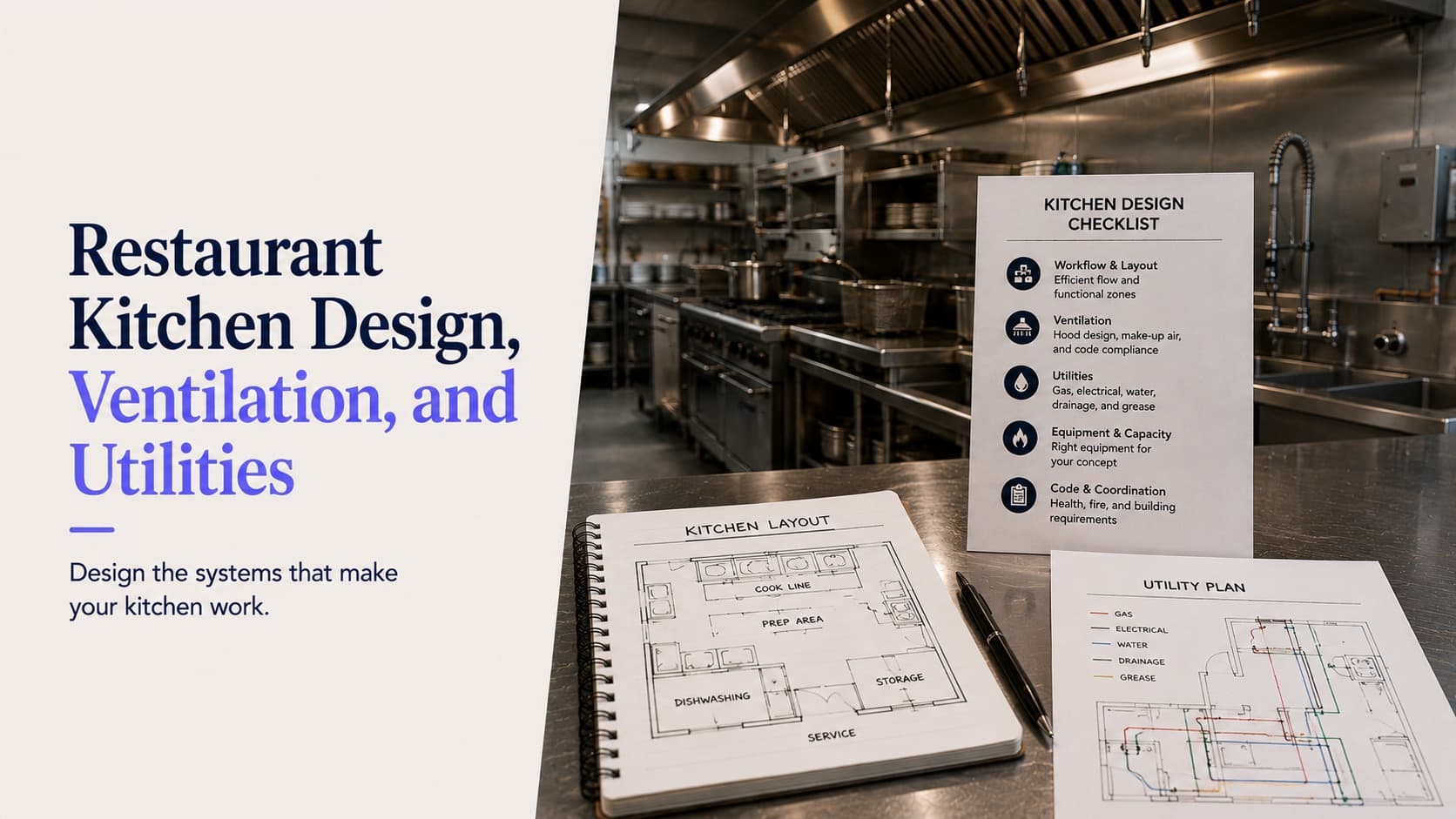
Your gas meter is sized as if everything runs at once
Hood type, the 400 CFM makeup-air trigger and panel capacity cap the equipment list before you pick any of it. Run too negative and you lose 30% of the exhaust.
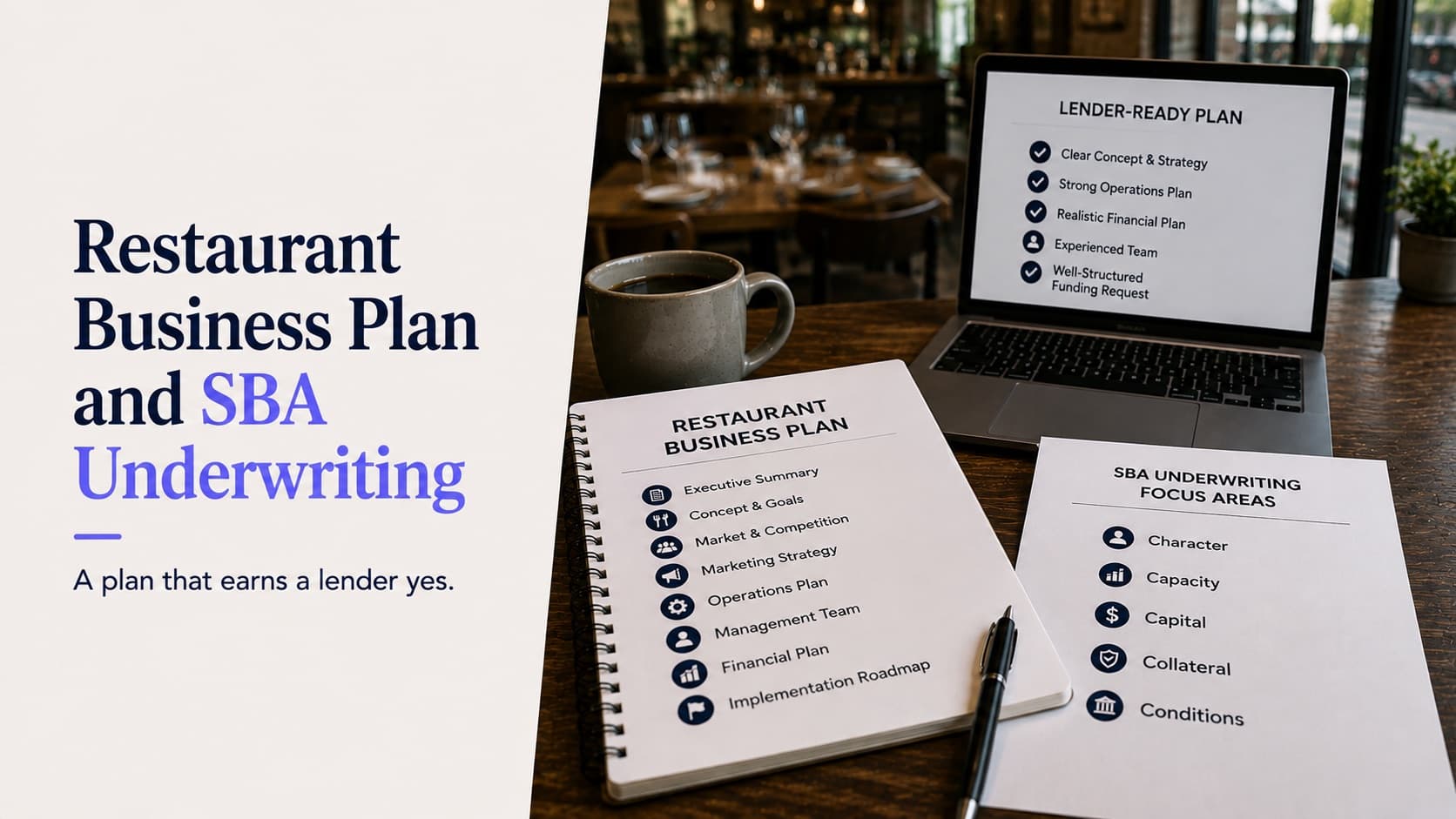
Your projections can't carry an SBA acquisition loan
From 1 October, SOP 50 10 8.1 lifts acquisition coverage to 1.25x on historical earnings alone. Startups keep projections and pay in collateral instead.
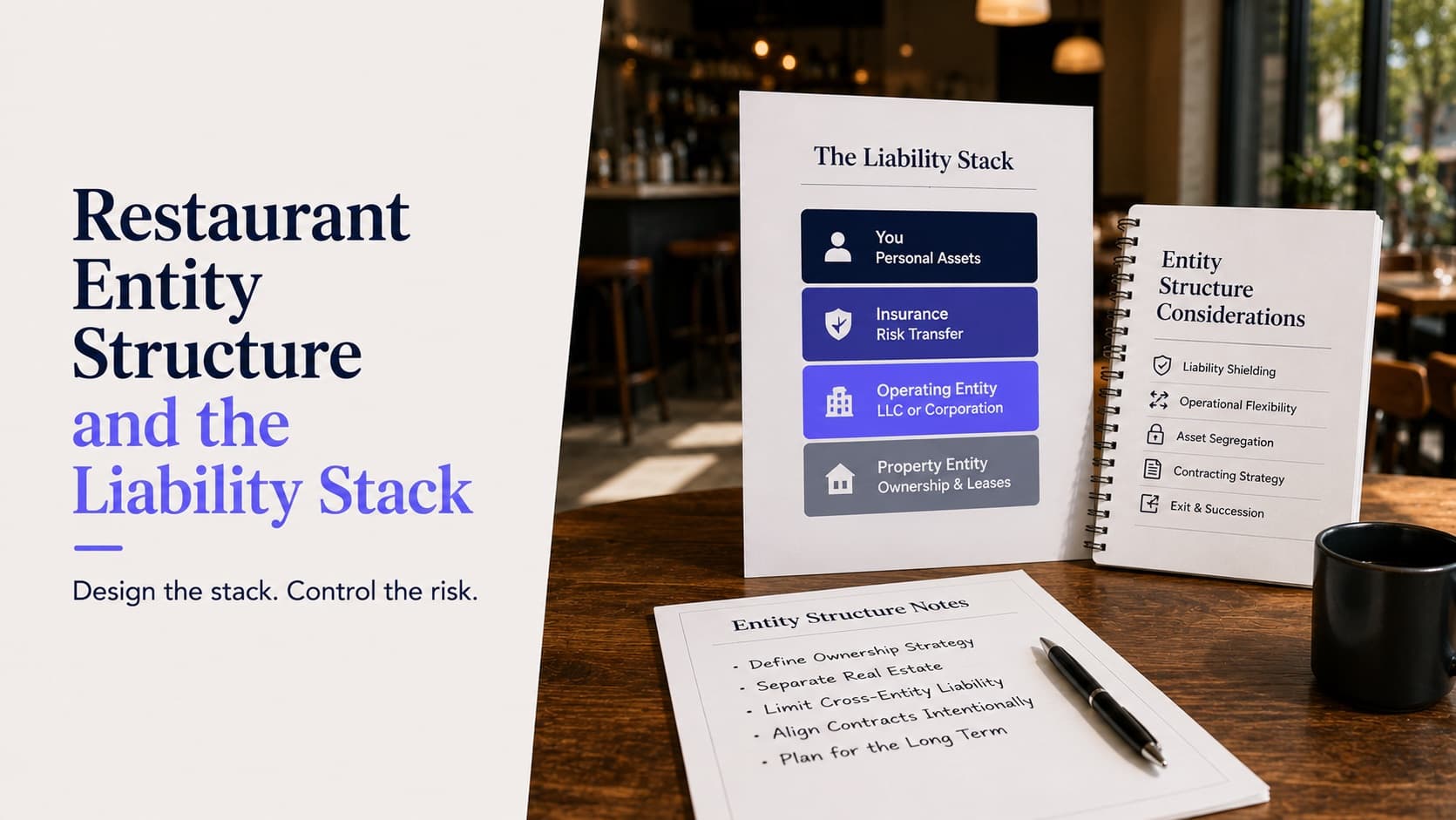
Wage-and-hour liability doesn't require owning the place
The trust-fund penalty reaches your personal assets, sales-tax liability is joint and several, and moving partner units needs liquor-board approval.
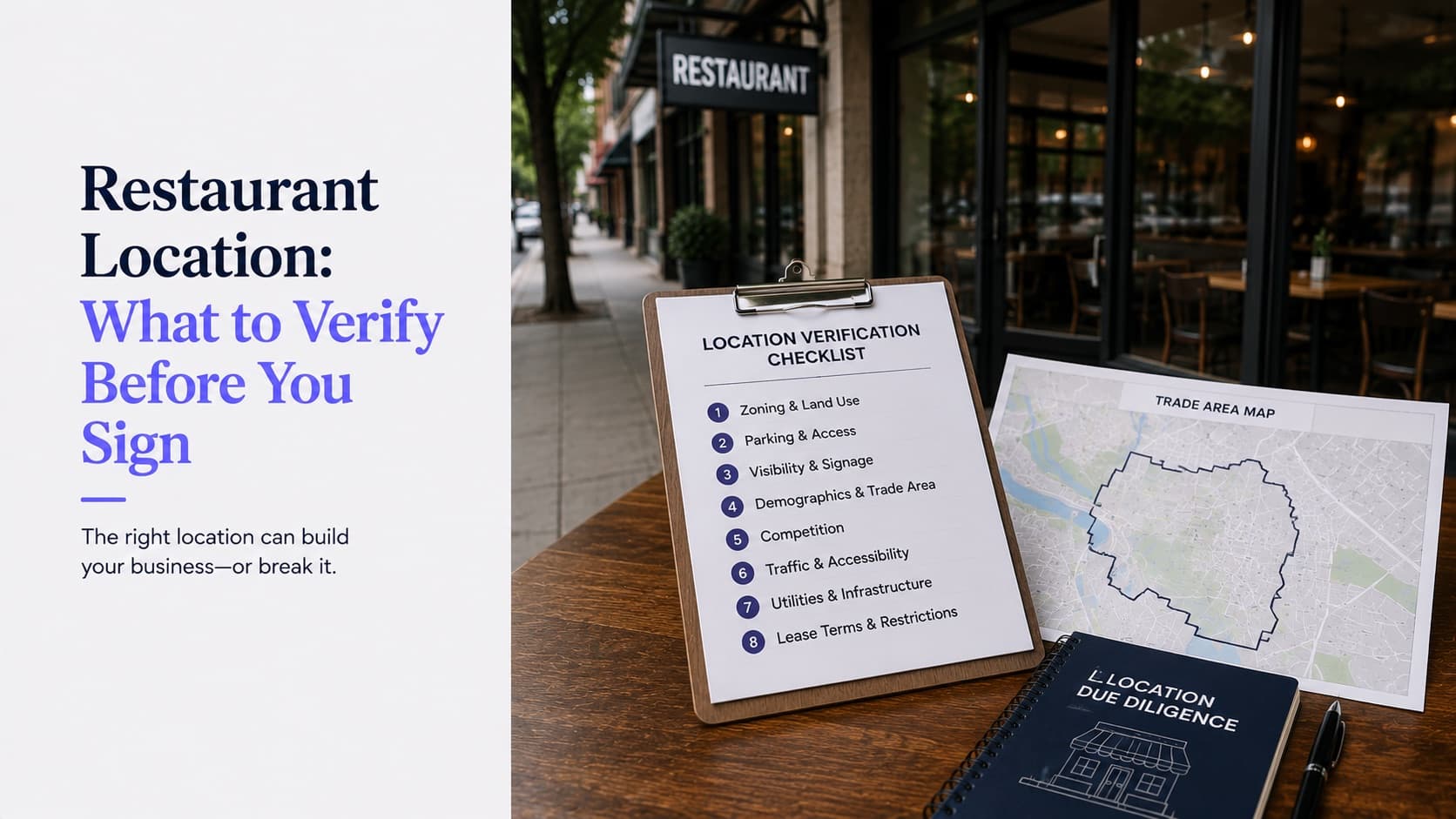
The church can consent and the state still must say no
Change of use can make you fix the sidewalk, ADA path-of-travel runs to 20% of build cost, and every prior tenant's inspection record at that address is public.
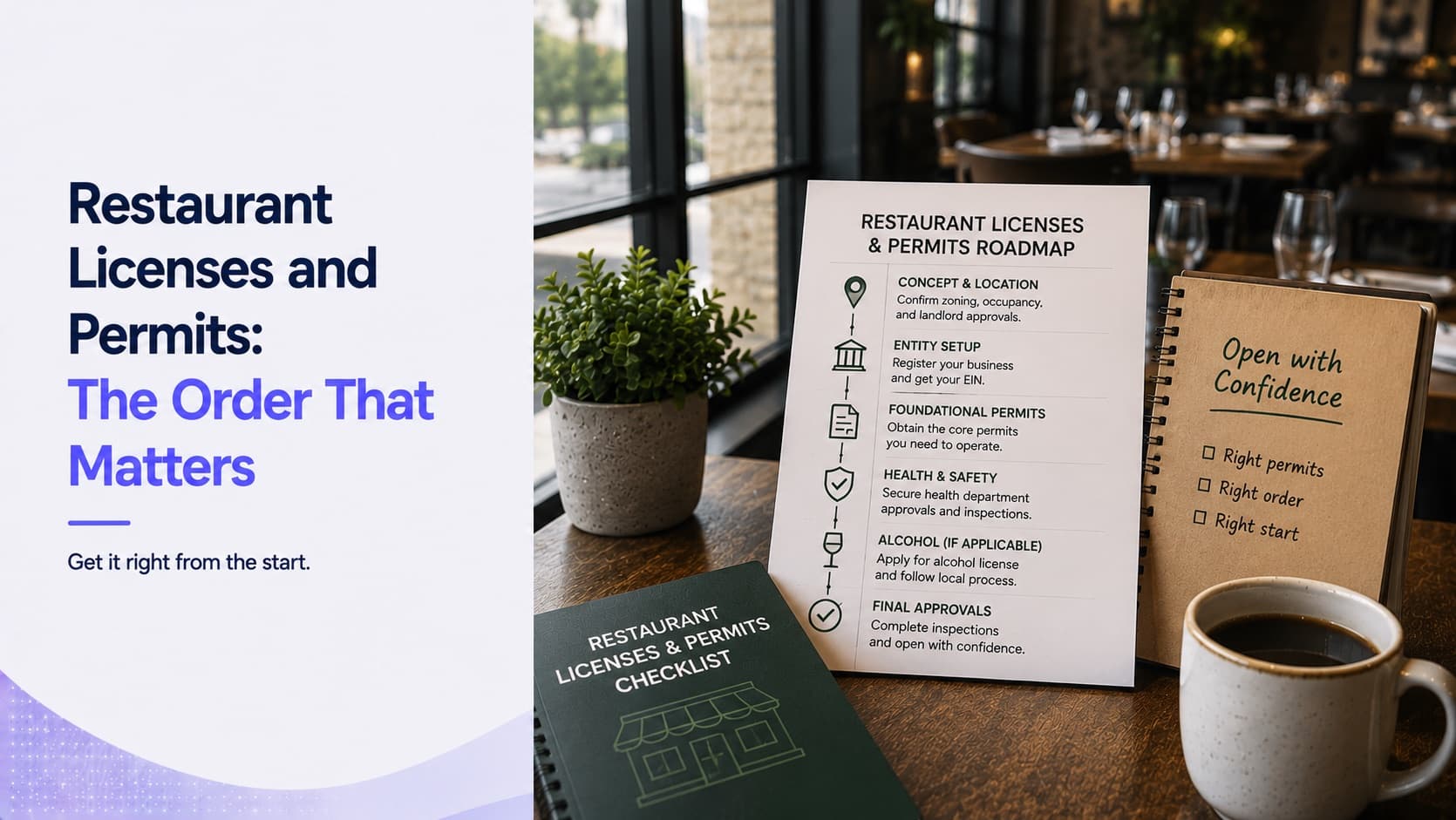
Your health inspector will not do a courtesy walkthrough
Plan review must be approved before construction starts, the CO gates your final health inspection, and the liquor clock can't start until the lease is signed.

13.7% of reactions: menu declared it and staff were told
Only 10% of restaurants with a fryer have a dedicated one. And your bread supplier may have added sesame flour — invisible in the bun, and perfectly legal.

Los Angeles's fair workweek law doesn't cover restaurants
Nearly every ordinance gates on 30+ locations or 250+ employees, Berkeley is the only one reaching independents, and Chicago fines per employee per day.

Restaurants under $500K sold at 2.0x SDE every quarter of 2025
How to triangulate POS reports, merchant statements, sales tax returns and bank deposits — and what each mismatch tells you about the seller's numbers.

Book delivery at net and your food cost percentage is wrong
The FICA tip credit is still computed against $5.15/hour, 2026 W-2s add a new tip code, and the standard restaurant chart of accounts hasn't changed since 2012.

The order link on your Google profile isn't yours by default
Google shut off Q&A in November 2025, and being open at search time now outranks review count. What actually moves a restaurant listing in 2026.

A restaurant back injury costs 20x what a kitchen burn costs
Your EPLI likely excludes wage-and-hour claims, your liquor policy may sublimit bar fights, and personal auto excludes delivery. Read the exclusions.

The delivery apps may not be remitting your sales tax
A 22% auto-gratuity is fully taxable in Texas, and California wants four years of transaction-level POS data. Sales tax is a config problem, not a filing one.

The card brands never fine you. Your acquirer does
SAQ P2PE runs about 32 requirements; the standard integrated-POS path runs about 165 — and a second location on one network pushes you off it entirely.

Voids and refunds are 6% of restaurant fraud cases
Automated monitoring catches 3% of cases; tips catch 43%. Surprise audits halve how long a scheme runs — and only 44% of organizations use them.

Nobody can source the 6-10% restaurant rent rule
Filed 10-Ks put restaurant rent between 1.6% and 7.7% of sales, and show tenant allowances clawed back through percentage rent. Negotiate clauses, not ratios.

Restaurant onboarding and training: the first 90 days decide your turnover
Most restaurant turnover happens before month three, for reasons onboarding controls. What the evidence says, and what a training program should look like.

Restaurant reviews and online reputation: what actually moves revenue
The Harvard finding on stars and revenue, why recency now beats volume, how to respond, and the review-generation tactics that violate the rules.

Delivery operations: packaging, temperature, and getting food there still worth eating
Why 66% of guests blame you and not the app, what happens to food in the first five minutes, and the packaging and handoff controls that protect quality.

Cutting restaurant food waste: what it costs and what actually works
The $7-per-$1 return documented across 114 restaurants, where waste really happens, and the measurement habit that makes every other tactic work.

Pour cost and bar program management: where beverage margin disappears
Pour cost benchmarks by category, the bottle math behind every drink, why free-pouring is invisible theft, and the controls that make variance attributable.

How to price catering orders — and write contracts that protect you
The real cost stack behind a per-person price, why catering food cost runs lower, and the contract clauses that decide whether a booking is profitable.

Restaurant cash flow management: why profitable restaurants still run out of money
Profit isn't cash. The 16-day buffer restaurants actually hold, the 13-week forecast that prevents surprises, and the levers that free up trapped money.

Restaurant financing: loans, lines of credit, and the merchant cash advance trap
What each funding option really costs, why factor rates hide triple-digit APRs, and the contract terms that turn a cash gap into an insolvency.

How to read your merchant statement: finding the fees you're actually paying
The three cost layers, how to isolate the only negotiable one, your true effective rate, and the junk fees hiding in the monthly lines.

The restaurant technology stack: what you need, what should be native, and what integration really costs
Which systems a restaurant actually runs, the honest all-in-one vs best-of-breed trade-off, and the integration fees most operators never see.

Ghost kitchens and virtual brands: does the economics actually work?
The lower startup cost, the commission drag that eats the margin, the 2023 shakeout that killed the pioneers, and when a delivery-only concept still makes sense.

How to scale from one restaurant to multiple locations
Why the second location breaks the systems that carried the first, the signs you're actually ready, why expansions fail, and what has to be built to travel.

Restaurant email and SMS marketing: turning your guest list into repeat visits
Why owned channels beat paid, the open-rate and ROI numbers, how to build the list, the automations that matter, and the consent rules you can't skip.

Restaurant chargebacks and payment disputes: how you lose money on your own sales
What a chargeback really costs, why delivery and online orders carry the risk, friendly fraud, the EMV liability shift, and how to prevent and win disputes.

Restaurant staff scheduling that cuts labor cost and turnover
Scheduling to forecasted demand, overtime guardrails, the retention payoff of predictable schedules, and the fair-workweek laws you need to know in 2026.

Restaurant inventory management: the practical playbook
Par levels, count cadence, FIFO, theoretical-vs-actual variance, the 80/20 focus, and the mistakes that quietly inflate your food cost — a working guide.

How to read a restaurant P&L: the statement that tells you if you're actually profitable
The P&L line by line, benchmark percentages for each, where losses hide, and why the monthly statement alone is too slow to run a restaurant on.

The restaurant metrics that actually matter: a KPI guide for owners
The operational and financial numbers worth tracking, their benchmarks, which are context-dependent, and the daily-weekly-monthly cadence that catches drift.

How to price your restaurant menu: a data-driven guide
Food-cost markup, contribution margin, competitive and dynamic pricing, menu psychology, and how to raise prices in 2026 without losing guests.

Gift cards: the high-margin revenue channel most restaurants ignore
Breakage, overspend, float, and new-guest acquisition — the four ways gift cards make money, why digital changes the math, and how to actually run a program.

Do you need a kitchen display system? KDS vs kitchen printers, honestly
What a KDS actually does, where a paper printer still wins, the real cost ranges, and the honest math on whether a kitchen display pays off for your concept.

Do self-order kiosks actually pay off? An operator's ROI breakdown
The real numbers behind kiosk check lift, labor reallocation, and payback — separating the vendor-reported claims from the conservative measured figures.

How to reduce restaurant no-shows: reminders, holds, and deposits that actually work
The real cost of an empty reserved table, the mitigation tactics ranked by measured impact, and how to apply them without scaring off your regulars.

Tip pooling, tip-outs, and service charges: the 2026 rules for restaurant operators
Tip credit, who can share a pool, the dead 80/20 rule, why a service charge is not a tip, and No Tax on Tips — the operator's guide to staying out of trouble.

What it really costs to open a restaurant in 2026
Real cost-to-open ranges, a line-by-line budget from build-out to working capital, costs by concept, and the failure-rate myth — an operator's breakdown.

The real cost of third-party delivery — and how to take orders commission-free
DoorDash, Uber Eats, and Grubhub commission tiers, the all-in effective rate after fees, the margin math, and how first-party ordering changes the equation.

Restaurant labor cost percentage: how to calculate it and how to actually bring it down
The labor cost formula done right, 2026 benchmark ranges by concept, why you manage to prime cost, and the levers that move labor — ranked by evidence.

15 questions to ask in every POS demo (and the answers that should worry you)
A POS demo is the vendor's home turf. These 15 questions — on pricing, contracts, offline behavior, and exit terms — take it off script.

How to launch a restaurant loyalty program that pays for itself
The repeat-guest math, the program structures that fit each concept, what rewards should cost, and the launch sequence that gets members to visit four.

Food cost percentage: how to calculate it, what's normal for your concept, and how to actually move it
The food cost formula done right, 2026 benchmark ranges by restaurant type, theoretical vs. actual variance, and the cost levers ranked by evidence.

What happens to your POS when the internet goes down — vendor by vendor
Offline mode differs wildly between POS systems: what keeps ringing, what breaks, who eats declined stored payments, and the setup that saves a Friday night.

Is credit card surcharging legal in your state? The 2026 restaurant guide
Where restaurant card surcharges are banned, where they're capped, the debit-card rule everyone breaks, and how cash discounting differs — state by state.

The restaurant POS hardware guide: what you actually need — and what it really costs
Terminals, handhelds, KDS screens, printers, and the 'free hardware' trap — real 2026 price ranges for every component, and three full build budgets.

How to choose a POS system for your business type: bars, pizzerias, coffee shops, food trucks, and more
A bar, a pizzeria, and a food truck don't need the same POS. Here's what each concept actually punishes you for getting wrong — and what to demand instead.

Catering: the $1M revenue channel most restaurants leave on the table
Catering economics for restaurants: average order sizes, margins, lead-time logic, deposit math, and how operators get from $0 to $200K and then to $1M without hiring a full second team.

Bundled vs interchange-plus payment processing — what restaurants actually pay
Bundled and interchange-plus look similar on the marketing page. They're not. Here's how each model actually works on your monthly statement, and what the difference costs a typical restaurant.

POS contract red flags before you sign
Auto-renewal traps, 36-month minimums, hardware lease lock-in, processor entanglement, and the contract clauses every restaurant operator should know before signing a POS agreement.

How to switch POS systems without losing data
A 6-step migration playbook for operators changing POS vendors. What transfers cleanly, what doesn't, and how to run two systems in parallel without breaking service.

Restaurant POS pricing in 2026: real costs from every major vendor
A line-by-line breakdown of what Toast, Square, Aloha, Clover, Lightspeed, and TouchBistro actually cost a restaurant — software, hardware, processing, and the add-ons vendors quietly add later.